k Shanmugam: Singapore to regulate blind box sales over gambling risks
Singapore will introduce regulations on blind box sales to address gambling-related risks, with mandatory odds disclosure among measures being considered, Home Affairs Minister K Shanmugam said on 12 February, 2026.

- Singapore will introduce regulations governing the sale of blind boxes to address gambling-related risks.
- Mandatory disclosure of odds and probabilities will be considered under the new framework.
- The move follows growing concerns over addiction risks amid rapid expansion of the global blind box market.

Singapore will introduce regulations to govern the sale of blind boxes, citing concerns over potential gambling-related harms, Minister for Home Affairs K Shanmugam said on 12 February, 2026.
Responding to a parliamentary question from Workers’ Party MP Dennis Tan, Mr Shanmugam said the Ministry of Home Affairs and the Gambling Regulatory Authority had studied the issue and decided to impose conditions on how blind boxes may be offered.
“The regulations are being drafted,” Mr Shanmugam said in a written reply.
He added that the suggestion to mandate standardised disclosure of odds and probabilities for blind box or “gacha” products would be among the points considered in shaping the regulations.
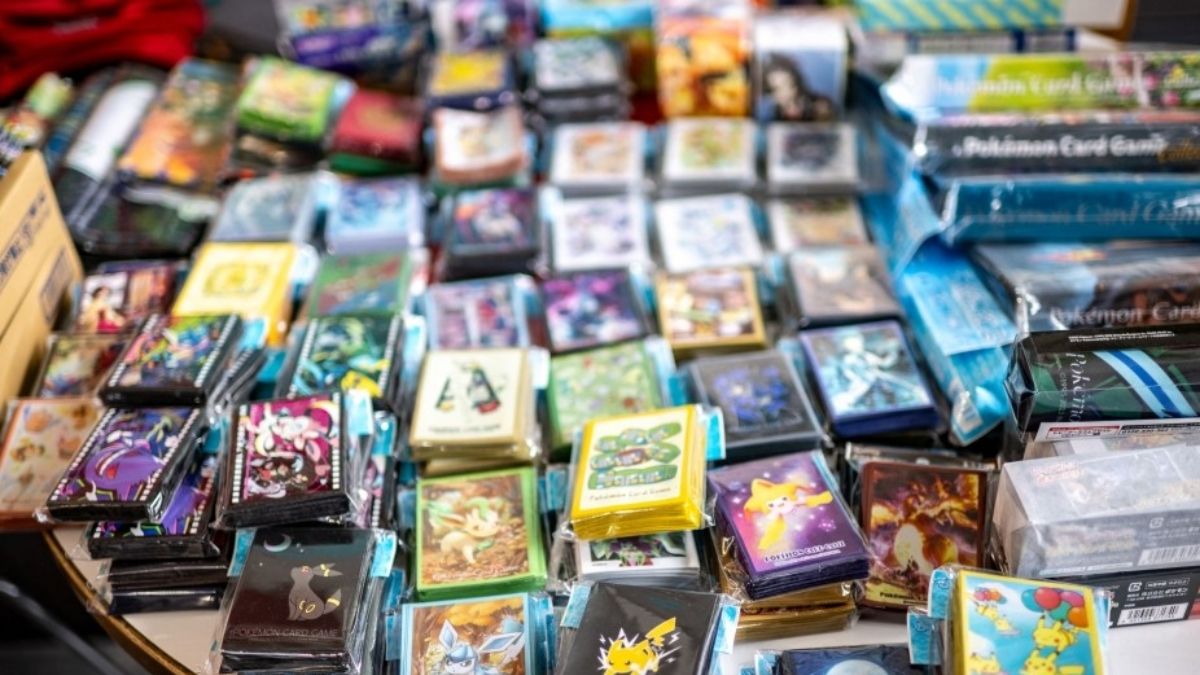
Blind boxes are sealed packages containing a mystery figurine or collectible from a series. Buyers do not know which specific item they will receive until the package is opened.
Manufacturers do not always explicitly disclose the odds of obtaining particular collectibles.
Many blind box series include “rare” items, which buyers have a lower probability of obtaining.
This uncertainty has drawn comparisons to gambling mechanics, particularly where repeated purchases are encouraged to obtain sought-after items.
The blind box toy market has grown rapidly in recent years. It was valued at approximately US$11.38 billion globally in 2021 and is projected to more than double to US$24.2 billion by 2033, according to industry estimates.
One of the most popular collectibles is Labubu, a character produced by Chinese toy company Pop Mart. The character gained further visibility after being popularised by Lisa of Blackpink in 2024.
Pop Mart operates more than 500 stores worldwide, including at least six in Singapore.
Other popular blind box collectibles include Mofusand and Sonny Angels, both of which have cultivated strong followings among collectors.
In Singapore, local start-up Unigons released blind-box “Fortune Merlion” collectibles crafted from recycled plastic bottles to mark SG60, commemorating Singapore’s 60th year of independence.
Beyond specialist toymakers, mainstream brands have adopted the blind box format for promotional campaigns.
These include FairPrice and KFC, which are offering blind box collectibles as part of Chinese New Year promotions.
Singapore currently has no legislation explicitly targeting blind boxes.
However, mystery boxes are disallowed.
Plans are in place to regulate them under a class licence regime administered by the Gambling Regulatory Authority.
In 2018, the police instructed operators of mystery prize vending machines to cease operations, warning that such machines constituted a form of public lottery.
Under the Gambling Control Act, certain lower-risk gambling services, such as lucky draws, may be offered under a class licence regime without requiring a full licence application.
The Gambling Regulatory Authority has stated on its website that further details on class licence conditions for mystery boxes will be released at a later date.
In China, businesses are banned from selling blind boxes to children under eight, following concerns about potential addiction and excessive spending.