NUS academic questions how green space decisions are made, urges earlier public participation
An NUS academic has questioned how environmental and heritage assessments influence redevelopment decisions, urging greater transparency and earlier public participation in planning. She argued that communities should help shape planning options before key decisions are effectively settled.
- An NUS academic has urged greater transparency on how environmental and heritage studies shape redevelopment decisions.
- She argued public participation should begin earlier and include meaningful dialogue before planning directions are settled.
- The comments come as online petitions opposing developments at Gillman Barracks and Maju Forest have attracted nearly 20,000 signatures.

SINGAPORE: A National University of Singapore (NUS) academic has called for greater transparency in how environmental and heritage considerations are weighed against housing needs, saying Singapore should strengthen public participation in planning decisions involving green spaces and culturally significant sites.
Melissa Low, Head of the NUS Sustainability Academy and Research Fellow at the Centre for Nature-based Climate Solutions, said the recent decision to redevelop Gillman Barracks for public housing had prompted broader questions about how planning decisions are made and how much influence public consultation has on the final outcome.
Her comments come days after the Housing and Development Board (HDB) confirmed plans to build new public housing at Gillman Barracks and Sunset Way in Clementi following the completion of environmental and heritage impact studies.
In a commentary published by CNA, Low said she developed a personal attachment to Gillman Barracks after moving to Telok Blangah in March 2025.
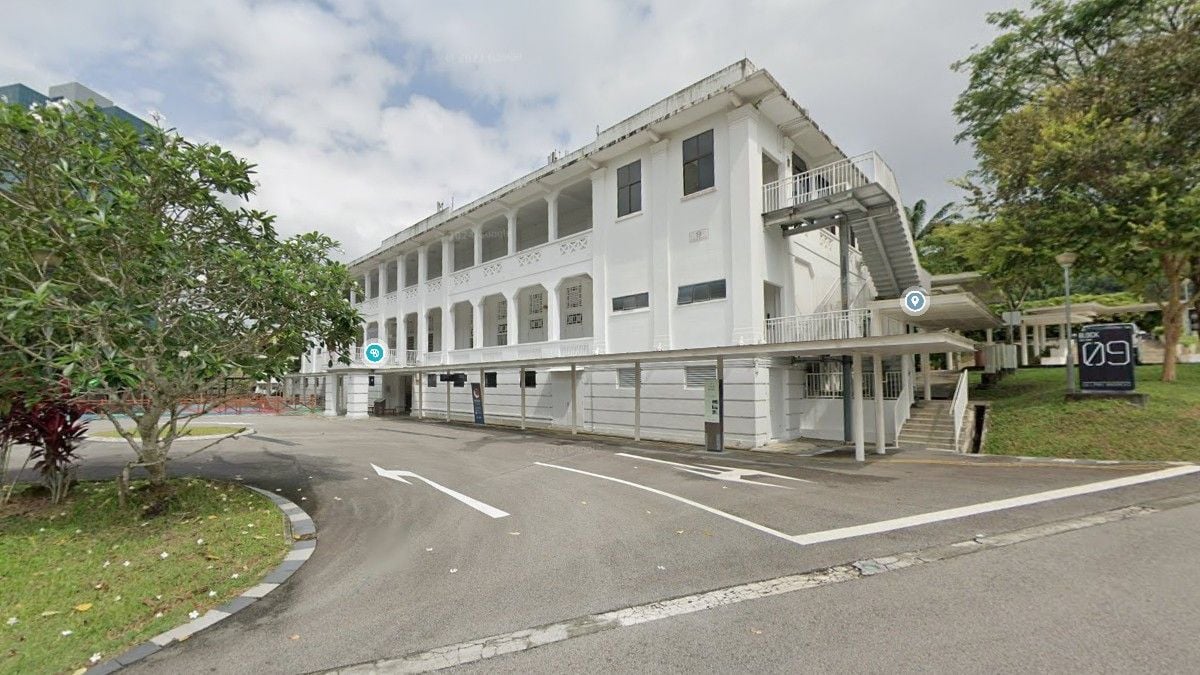
She said the site, with its mature trees, heritage buildings and natural surroundings, had become part of her weekly routine.
"When plans to redevelop Gillman Barracks for public housing were confirmed last week following environmental and heritage studies by HDB, I felt a sense of loss," she wrote in a commentary.
She added that after reading the published studies, her concerns extended beyond the future of Gillman Barracks itself.
"It had become a broader question about how Singapore planners make decisions on green spaces and culturally significant landmarks, and how the public participates in those decisions."
Studies provide evidence but decision-making remains unclear
Low acknowledged that Singapore has made significant progress over the past decade in incorporating scientific and heritage considerations into urban planning.
She said environmental impact assessments are increasingly commissioned for complex developments, while heritage impact assessments help planners understand the significance of historic sites before redevelopment.
According to Low, these developments demonstrate growing recognition that planning decisions should be informed by scientific evidence, cultural history and long-term sustainability.
However, she questioned how the findings of those studies were ultimately balanced against competing priorities.
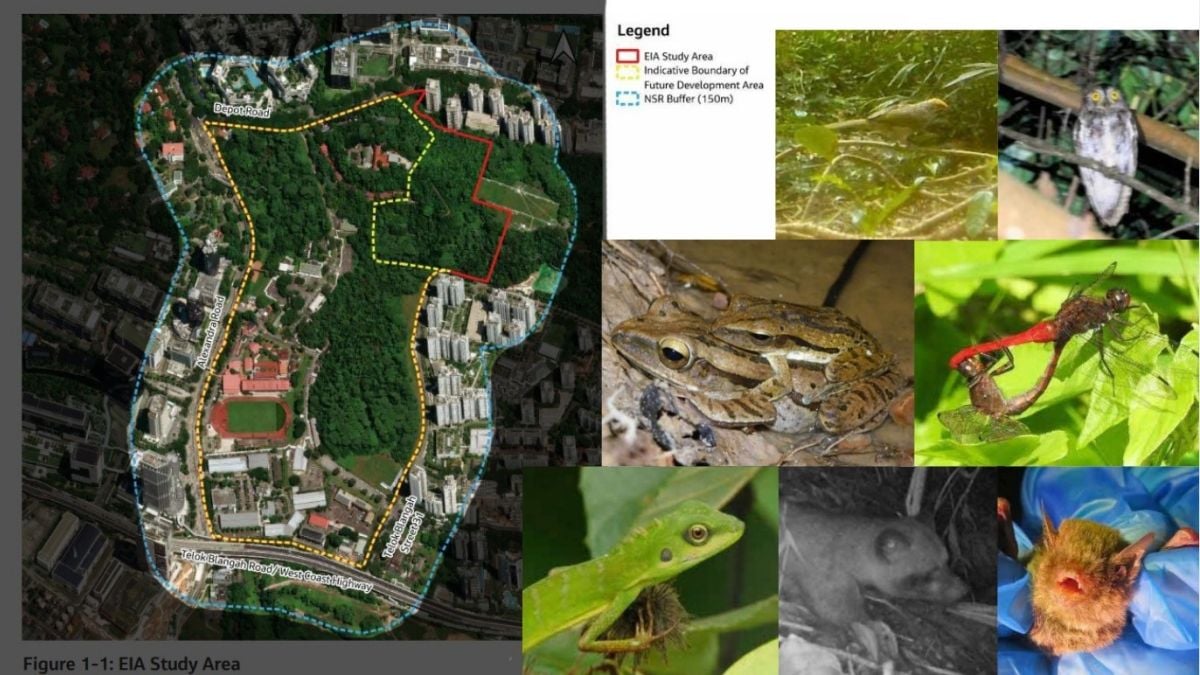
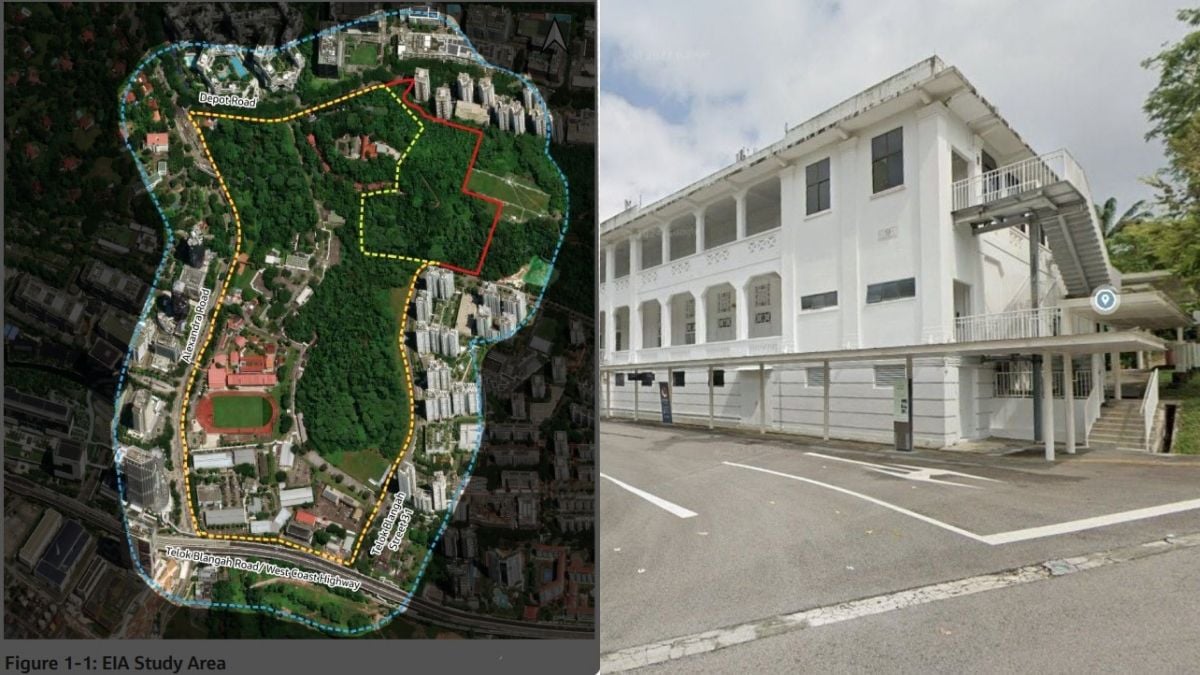
She noted that the environmental impact assessment identified several species of conservation significance within Gillman Barracks, while the heritage impact assessment described the site as a rare and well-preserved example of colonial military planning.
Although the studies would guide HDB in reducing environmental impacts and retaining historically significant buildings, Low said the reports did not explain how those findings influenced the final redevelopment decision.
She said residents and businesses were seeking greater clarity over how environmental and heritage values were balanced against housing needs, whether alternative planning options had been evaluated and why the current proposal was selected.
Calls for earlier and more meaningful public participation
Low acknowledged HDB's efforts to engage environmental and heritage stakeholders during the preparation of the studies, saying expert input strengthens planning decisions.
However, she said many residents she spoke with only became aware of the redevelopment proposal recently, despite the plans first being announced in March 2024.
She noted that members of the public were given four weeks to review hundreds of pages of technical reports before submitting feedback.
According to Low, public engagement should begin much earlier, while multiple planning options remain under consideration.
She argued that online feedback forms alone cannot replace direct engagement between residents and planners.
"Community briefings, question-and-answer sessions and opportunities to engage directly with planners allow residents to better understand competing objectives and contribute more informed feedback," she said.
Low also said many conversations with residents, heritage advocates and environmental groups revealed a common perception that the principal planning direction had already been decided before consultation began.
She stressed that whether or not this reflected the full planning process, the perception itself mattered because it could undermine confidence that public participation was capable of influencing outcomes.
"When consultation is perceived as occurring only after key decisions have effectively been made, participation risks becoming an exercise in recording objections rather than shaping policy," she wrote.
She added that sustained public trust depends not only on collecting feedback but also on demonstrating how those views influence final decisions.
Agencies should present alternative planning scenarios
Low also questioned suggestions that residents should be responsible for proposing alternative development plans.
She argued that planning agencies possess access to environmental assessments, transport studies, demographic projections and broader land-use information that members of the public do not.
Instead, she suggested agencies could present several realistic planning scenarios, explain the trade-offs associated with each and invite the public to discuss their preferred balance between housing, environmental conservation and heritage protection.
Among the possibilities, she suggested concentrating development on previously disturbed parts of sites while preserving larger continuous forest areas and adapting heritage buildings for community and cultural purposes.
She said that even if alternative proposals were ultimately rejected, explaining why they had been considered would strengthen confidence in the planning process.
Low concluded that Singapore's internationally recognised urban planning system should increasingly be judged not only by the quality of its physical developments but also by the quality of public engagement that shapes them.
She said environmental and heritage impact assessments represent a commitment to evidence-based planning, while publishing them improves transparency.
"The challenge now is ensuring that these studies do more than identify impacts," she wrote.
"They should become the foundation for more transparent decision-making, meaningful dialogue and a planning process in which communities feel that their participation genuinely matters."
She added that as Singapore faces increasingly difficult land-use trade-offs, maintaining public trust could become one of the country's most valuable planning resources.
Growing online calls urge govt to reconsider development plans
Low's comments come amid growing public concern after HDB said the proposed developments at Gillman Barracks and Sunset Way followed detailed environmental and heritage studies conducted as part of the planning process to assess expected impacts on both the natural and built environment.
At the same time, online campaigns urging the Government to reconsider development plans at Gillman Barracks and Maju Forest have continued to gain support.
Campaign organisers argue that remaining forests, biodiversity and heritage spaces should be protected while alternative sites are explored to meet Singapore's future housing needs.
Online petitions opposing housing plans approach 20,000 signatures
As of 4.00pm on 15 July, the "Save Gillman Barracks/Forest" petition had attracted more than 6,100 signatures.
A separate campaign, "Save Maju Forest — build the homes without erasing the wild", launched on 11 July 2026, had gathered more than 13,704 signatures within four days.
Together, the two petitions have received close to 20,000 endorsements.
Supporters of both campaigns argue that addressing housing demand should not come at the cost of Singapore's remaining forests or historically significant community spaces.
They have urged the Government to continue balancing long-term housing needs with the protection of environmentally and culturally significant landscapes for future generations.