ICA refused entry to 45,700 visitors in 2025, up 38.3% from 2024 amid tighter border controls
ICA refused entry to 45,700 foreign visitors in 2025, up 38.3% from 2024, as enhanced targeting and biometric screening led to more high-risk travellers being identified at Singapore’s checkpoints.
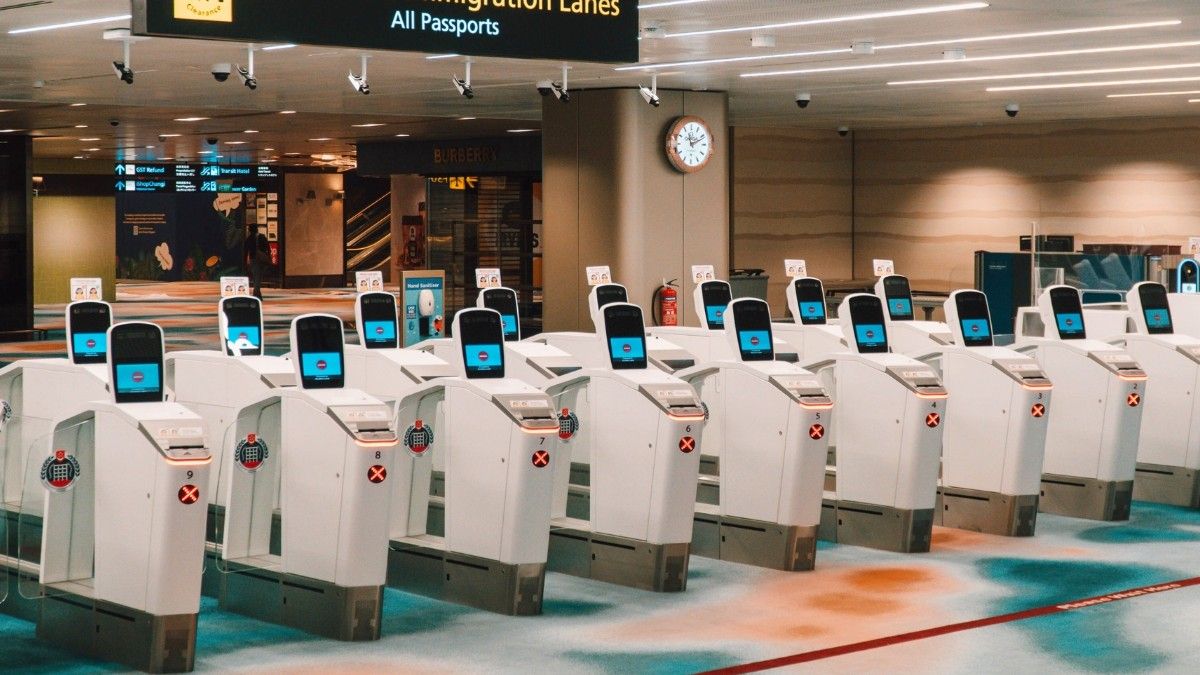
- 45,700 foreign visitors were refused entry in 2025, up 38.3% from 2024.
- Enhanced targeting and data analytics led to more high-risk travellers being screened.
- Inland enforcement arrests remained stable, while marriage-of-convenience cases fell sharply.

SINGAPORE: About 45,700 foreign visitors were refused entry into Singapore in 2025, a 38.3% increase from around 33,100 in 2024, according to the Immigration and Checkpoints Authority (ICA).
The figures were released on 23 February, 2026 in ICA’s 2025 annual report, which attributed the rise to strengthened border security and enhanced screening processes at checkpoints.
ICA said the refused travellers were assessed to pose immigration risks, such as potentially overstaying or working illegally, or security risks including the possibility of committing crimes.
Enhanced targeting and analytics
In 2025, ICA stepped up border security through enhanced targeting by its Integrated Targeting Centre (ITC).
The centre leveraged advance information and data analytics to identify high-risk travellers, vehicles and cargo for enhanced checks upon arrival at checkpoints.
Passport-free clearance implemented at major checkpoints also allowed immigration officers to be redeployed from manual counter duties to higher-value functions, such as profiling and investigative interviewing.
Due to these measures, more foreigners were identified for enhanced screening in 2025 and subsequently refused entry, ICA said.
Cases flagged at checkpoints
ICA cited a case in December involving two Indian nationals who arrived at Changi Airport and were found to possess forged approval letters purportedly issued by the Ministry of Manpower.
The men were flagged for further checks, which uncovered the forged documents.
In another case in October, a 30-year-old Thai man arriving at Tuas Checkpoint was flagged by ITC for additional screening.
Checks revealed that he had previously entered Singapore under a different name and had been convicted under that identity for providing sexual services for monetary gain. He had been deported in 2016.
As he was found to have multiple identities, he was refused entry and barred from re-entering Singapore.
Multiple identities and forged documents
The number of multiple identity cases detected on arrival remained largely stable, with 223 cases recorded in 2025, a 4.3% drop from 233 in 2024.
ICA said its automated lanes at checkpoints are equipped with multi-modal biometric screening systems capable of detecting travellers attempting impersonation or using false identities.
These include persons of interest who have previously committed crimes in Singapore and attempt to re-enter under different identities. Foreigners with multiple identities are barred from re-entry.
Separately, forged or tampered travel documents detected on arrival fell by 39.3%, from 61 cases in 2024 to 37 in 2025.
Inland enforcement and arrests
Beyond checkpoint operations, ICA continued inland enforcement efforts, including joint operations with other law enforcement agencies to arrest immigration offenders.
The total number of immigration offenders arrested in 2025 remained broadly stable at 538, compared with 536 in 2024.
There was an 11.4% decrease in illegal immigrants arrested and a 1.9% increase in overstayers arrested.
The number of harbourers and employers of immigration offenders arrested fell by 28.8% to 277 in 2025, down from 389 in 2024.
Of the 141 harbourers arrested, most had existing relationships with offenders or allowed them to stay in their premises for financial gain.
ICA said many did not check the immigration status of tenants, or only did so at the start of the tenancy without ensuring that the status remained valid.
Among the 136 employers arrested, most claimed they were in the process of renewing work passes or had only checked that employees held valid passes at the point of hiring.
Some said they had overlooked applying for extensions or failed to verify whether employees held valid work passes subsequently.
“ICA will continue to take tough action against harbourers and employers of immigration offenders,” the authority said, adding that it is a serious offence to provide shelter or employment to immigration offenders.
Homeowners renting out properties were advised to exercise due diligence by checking the immigration status of prospective foreign tenants to ensure their stay is lawful.
Marriage-of-convenience offences and latest No-Boarding Directive
Separately, arrests for marriage-of-convenience-related offences fell by 63.4% to 15 cases in 2025, down from 41 in 2024.
ICA said it would continue to take firm action against errant couples and middlemen involved in such arrangements.
The annual report follows ICA’s move from 30 January 2026 to issue no-boarding directives to airline operators at Changi and Seletar airports.
Under the directive, flagged travellers who do not meet Singapore’s entry requirements, such as holding a valid visa or a travel document with at least six months’ validity, may be prevented from boarding flights bound for Singapore.
In certain cases, airlines may be required to carry out additional checks, including verification of visas or SG Arrival Card submissions, before allowing passengers or crew to board.