China man suffers severe skin ulceration after mixing ibuprofen with alcohol
A 35-year-old man in China developed severe skin ulceration after combining ibuprofen with alcohol. Doctors warn the mix can trigger life-threatening reactions and urge caution when taking medication after drinking.
- A 35-year-old man in China suffered severe skin damage after mixing ibuprofen with alcohol.
- More than 95% of his skin was affected, requiring intensive hospital treatment.
- Doctors warn that combining medication with alcohol can trigger dangerous immune reactions.

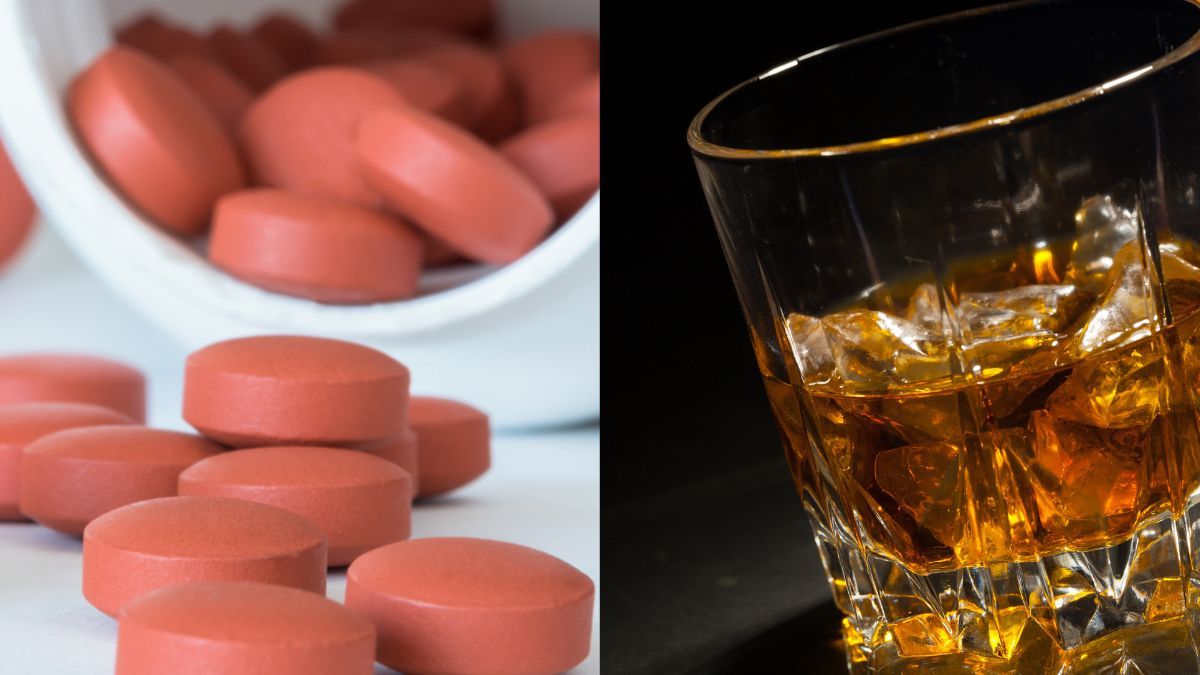
CHINA: A 35-year-old man in Xi’an was hospitalised in critical condition after taking ibuprofen shortly after consuming alcohol, leading to a rare but severe reaction that affected nearly his entire body.
The man, identified as Zheng, was later treated at Tangdu Hospital, where doctors worked to stabilise his condition and manage extensive skin damage caused by the reaction.
Medical staff said the case illustrates how common medications can become dangerous under certain conditions, particularly when combined with alcohol.
Symptoms escalated within hours
According to reports, Zheng began feeling unwell after drinking alcohol, experiencing symptoms such as a headache and fever.
Believing the condition to be minor, he took ibuprofen in an attempt to relieve the discomfort, reportedly consuming three doses in a short period of time.
Within hours, his condition changed dramatically, as red rashes began spreading across his body, accompanied by increasing discomfort and visible skin irritation.
Family members grew alarmed as his symptoms worsened rapidly, prompting them to send him to hospital for urgent treatment.
Extensive skin damage confirmed on admission
Upon arrival at hospital, doctors found that Zheng’s condition had already reached a critical stage.
More than 95% of his skin showed signs of damage, including blistering, loosening and ulceration, with large sections of the outer skin layer detaching.
Some areas appeared similar to severe burn injuries, exposing raw tissue beneath and increasing the risk of infection.
In addition to the external damage, doctors noted that the mucous membranes in his mouth and eyes had also been affected, indicating a widespread reaction throughout the body.
Reaction linked to medication and alcohol
Medical teams identified the likely cause as a severe adverse reaction triggered by the combination of ibuprofen and alcohol.
Ibuprofen, a widely used nonsteroidal anti-inflammatory drug (NSAID), is generally considered safe when taken correctly, but can in rare cases lead to serious skin reactions.
Doctors explained that alcohol can intensify such reactions by affecting how the body processes the medication and by influencing the immune system.
In this case, the combination appeared to trigger an extreme response, causing the body to attack its own skin cells.
Liver function and immune response affected
Both alcohol and ibuprofen are processed by the liver, and taking them together can place additional strain on the organ.
When the liver is unable to metabolise substances efficiently, drug levels in the bloodstream may rise, increasing the likelihood of harmful side effects.
At the same time, alcohol can contribute to inflammation and disrupt normal immune regulation, making the body more prone to overreaction.
Doctors said this combination of factors can result in widespread tissue damage, as seen in Zheng’s case.
Intensive treatment over several weeks
Zheng remained in hospital for 45 days, during which he received continuous care aimed at managing his condition and preventing complications.
Treatment included daily wound care, monitoring for infections, and supportive therapies to assist the recovery of damaged skin.
Medical staff had to carefully manage fluid balance and protect exposed areas of the body while new skin gradually formed.
Over time, his condition stabilised, and most of his wounds began to heal, allowing him to be discharged from hospital.
Lasting impact and medical warning
Although Zheng survived the ordeal, the experience has had a lasting impact on both him and his family, given the severity of his condition and the prolonged recovery period.
Doctors have used the case to remind the public that even commonly used medications can carry risks if taken improperly or under unsuitable conditions.
They advised individuals to avoid consuming alcohol when taking medication unless specifically confirmed to be safe by a healthcare professional.
The incident also highlights the importance of following dosage guidelines and seeking medical advice when symptoms persist or worsen unexpectedly.