Thailand’s Thaksin Shinawatra released on parole after serving corruption sentence
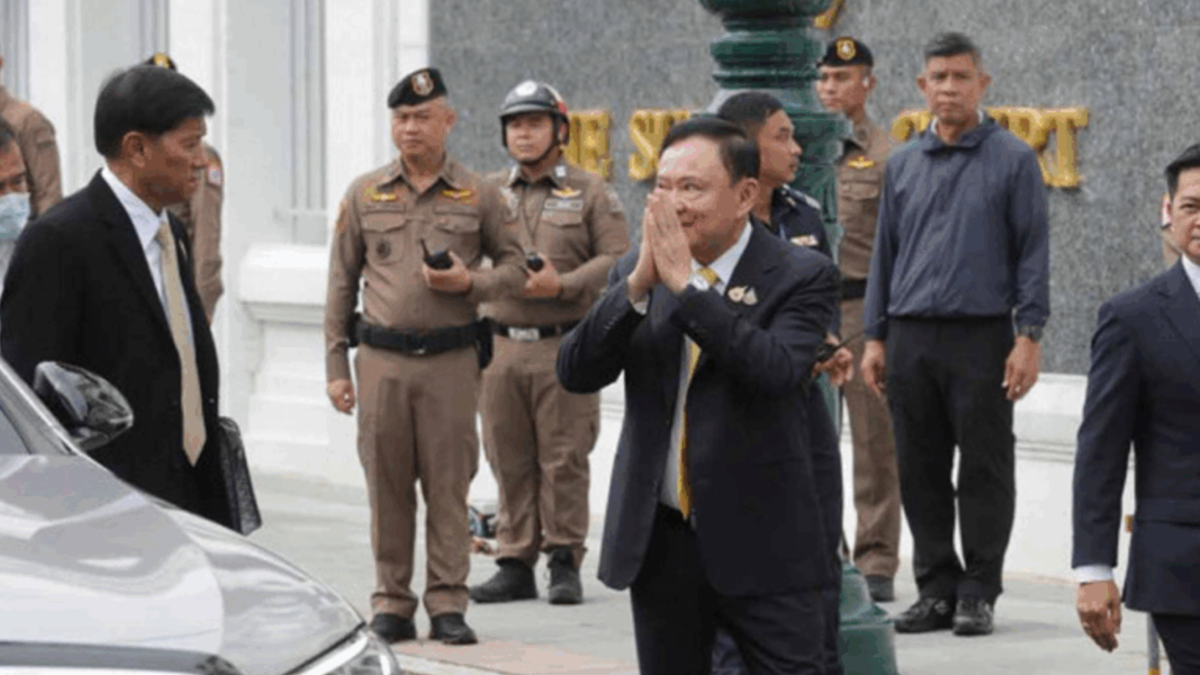
Former Thai prime minister Thaksin Shinawatra was released on parole on 11 May 2026 after serving part of a one-year corruption sentence, with supporters and family members greeting him outside Bangkok Remand Prison.
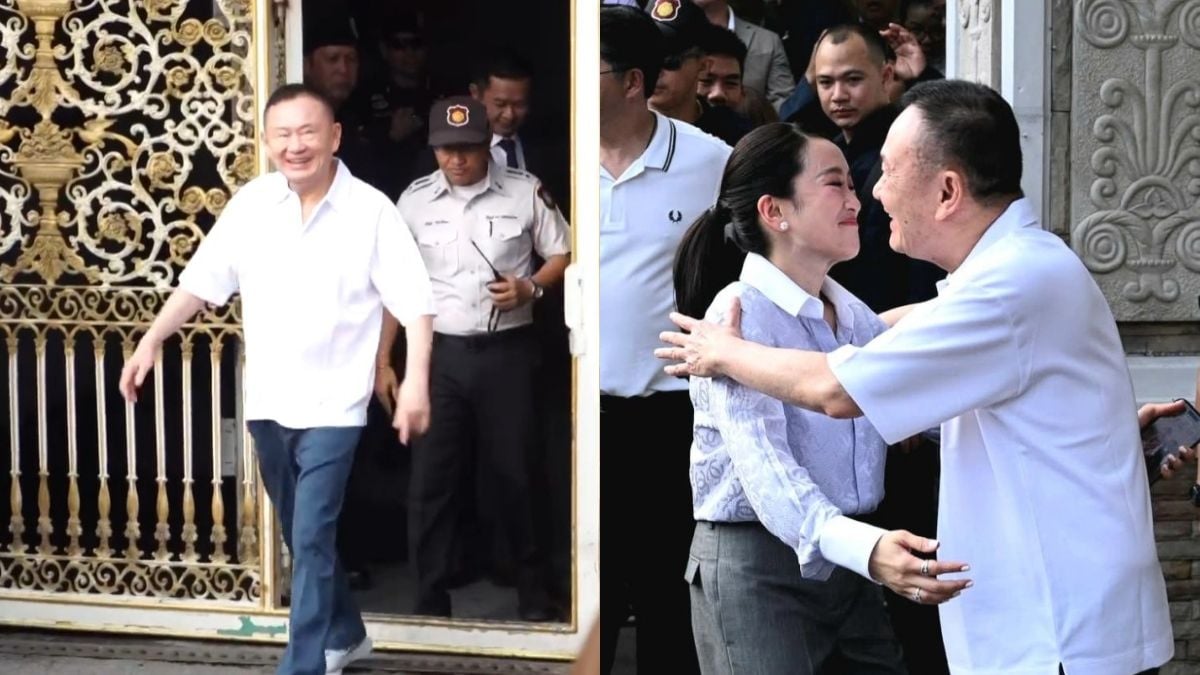
- Thaksin Shinawatra was released on parole from Bangkok Remand Prison on 11 May 2026.
- He must wear an electronic monitoring bracelet and report monthly during his probation period.
- His release comes as the Pheu Thai Party faces political setbacks and declining electoral support.

Thailand’s former prime minister Thaksin Shinawatra was released on parole on 11 May 2026 after serving part of a one-year prison sentence for corruption, marking a significant moment in the country’s volatile political landscape.
The 76-year-old telecoms billionaire walked out of Bangkok Remand Prison, also known as Klong Prem Prison, at around 7.48am local time, according to Thai media reports.
Large crowds of supporters dressed in the movement’s signature red shirts gathered outside the prison gates from the early hours of Monday morning. Many chanted “We love Thaksin” as the former premier emerged from custody.
Family members, senior figures from the Pheu Thai Party and supporters waited to welcome him upon release.
Thaksin immediately embraced his children and grandchildren outside the prison gates.
Among them was former prime minister Paetongtarn Shinawatra, his daughter and political protégé, who was removed from office by court order last August.
Thai media footage showed emotional scenes as supporters surged forward to greet the former leader after months behind bars.
According to Bangkok Post, Thaksin will be required to wear an electronic monitoring bracelet during his parole period, which runs until 9 September 2026.
He must also report to Bangkok Probation Office 1 within three days of his release because his residence, Ban Chan Song La in Bangkok’s Bang Phlat district, falls under its jurisdiction.
Monthly reporting requirements are expected throughout the four-month probation period.
The Department of Corrections announced last month that Thaksin would be eligible for early release because of his age and the limited time remaining on his sentence.
He was among more than 850 prisoners approved for parole under the early release programme.
Thaksin’s return to freedom raises the prospect of a renewed public role for one of Thailand’s most influential and polarising political figures.
For more than two decades, Thaksin and his political network have remained at the centre of a prolonged struggle with Thailand’s conservative establishment, including pro-military and pro-royalist elites who viewed his populist political movement as a threat to the traditional order.
His Pheu Thai Party and its predecessor parties dominated Thai electoral politics for much of the 21st century.
The Shinawatra family has produced four prime ministers and built strong support among rural and working-class voters through populist economic policies and welfare programmes.
However, the party has recently faced mounting political challenges.
Pheu Thai recorded its worst election performance in February 2026, slipping to third place and fuelling questions about the future of the Shinawatra political dynasty.
The party’s difficulties deepened after Paetongtarn Shinawatra was removed from the premiership by court order months before Thaksin’s imprisonment.
Despite the setbacks, Pheu Thai remains part of the ruling coalition led by Prime Minister Anutin Charnvirakul, leaving open the possibility of a future political comeback for Thaksin and his allies.
Thaksin’s nephew, Yodchanan Wongsawat, who became the party’s leading figure ahead of the February election, was later appointed higher education minister in Anutin’s cabinet.
Speaking to reporters after visiting her father in prison last week, Paetongtarn Shinawatra said they had “not discussed anything about politics” and had focused only on family matters.
Thaksin’s imprisonment followed years of legal and political controversy surrounding his return to Thailand.
The former premier returned from self-imposed exile in August 2023 after spending years overseas following the military coup that removed him from power in 2006.
He had previously served as prime minister after election victories in 2001 and 2005.
Upon his return, Thaksin was sentenced to eight years in prison on corruption and abuse of power charges. His sentence was later reduced to one year through a royal pardon.
Instead of entering a prison cell, however, he was transferred to a private hospital room on medical grounds shortly after his return to custody.
The move triggered public criticism and allegations that he had received preferential treatment because of political connections.
Questions intensified after Pheu Thai formed a new government during the same period as Thaksin’s hospital stay.
In September 2025, the Supreme Court ruled that Thaksin had not been suffering from a critical medical condition and determined that his hospital stay could not be counted as time served.
The ruling resulted in his transfer back to prison to complete the remainder of his one-year sentence.
His release on parole now places him back in the public spotlight at a time when Thailand’s political landscape remains deeply divided.