Singapore assesses impact of proposed 12.5% US tariff as forced labour probe targets exports
Singapore is assessing the impact of proposed new US tariffs that could affect about one-third of its domestic exports to the United States, after Washington classified the Republic among economies deemed to have failed to enforce bans on imports linked to forced labour.
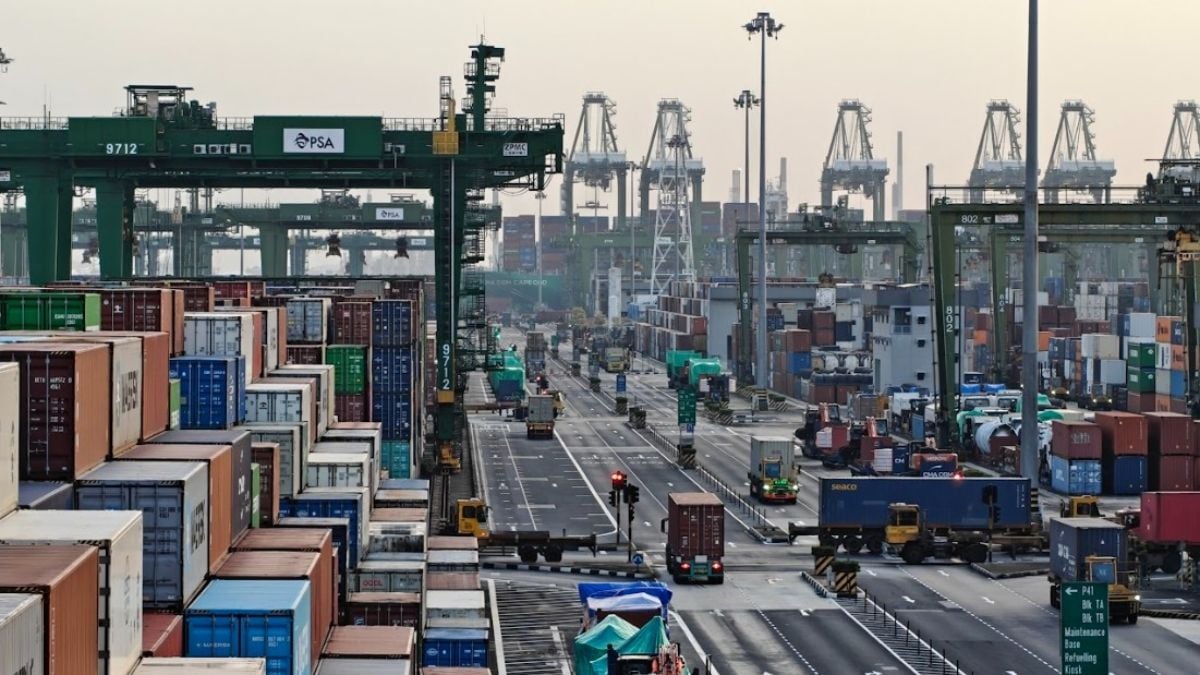
- Singapore said about one-third of its domestic exports to the US could be affected by proposed tariffs.
- The US Trade Representative proposed a 12.5% tariff following a forced labour enforcement investigation.
- Singapore will continue engaging the USTR while assessing the potential impact on exporters.

Singapore is assessing the potential impact of proposed new United States tariffs that could affect around one-third of its domestic exports to the American market, following findings from a US investigation into forced labour enforcement practices.
The Ministry of Trade and Industry (MTI) on 4 June 2026 told state media CNA that it will continue engaging the Office of the United States Trade Representative (USTR) after Washington proposed imposing a 12.5% tariff on certain imports from Singapore and dozens of other economies.
The proposal stems from a Section 301 investigation conducted by the USTR into 60 economies over their alleged failure to enforce bans on imports of goods produced with forced labour.
According to the USTR, 54 economies, including Singapore, China and the United Kingdom, failed both to impose and effectively enforce prohibitions on imports linked to forced labour.
Tariffs proposed following investigation
The USTR's findings were released alongside a comprehensive investigative report examining forced labour enforcement regimes across major trading partners.
The agency concluded that all 60 economies investigated had failed to adequately address trade involving goods produced with forced labour.
Six economies — Canada, Ecuador, the European Union, Indonesia, Mexico and Pakistan — were found to have established prohibitions but failed to effectively enforce them.
The remaining 54 economies, including Singapore, Malaysia, Australia, Japan, South Korea, Switzerland, New Zealand and the United Kingdom, were found to have neither imposed nor effectively enforced such prohibitions.
“Therefore, all of the investigated economies have failed both to impose a forced labour import prohibition and to effectively enforce such a prohibition,” the USTR said.
The agency determined that these failures were “unreasonable” and burdened or restricted US commerce, making them actionable under Section 301(b) of the Trade Act of 1974.
Under the proposal, economies deemed partially compliant would face a 10% tariff, while the remaining economies, including Singapore, would be subject to a proposed 12.5% duty on exports to the United States.
Impact on Singapore exports
The proposed tariffs would apply only to a portion of affected exports rather than all shipments entering the United States.
Several categories would remain exempt, including energy products, pharmaceutical ingredients, selected electronics and semiconductors.
MTI said approximately one-third of Singapore's domestic exports to the United States could be affected if the measures are eventually implemented.
In response to media queries, the ministry said: “The Ministry of Trade and Industry will continue to engage the USTR constructively to explore options on this matter, and is assessing the impact of the proposed actions on Singapore’s exports to the US.”
The ministry reiterated Singapore's longstanding position against forced labour and said the Republic maintains a comprehensive domestic framework to prevent and address such practices.
Singapore maintains position on forced labour
MTI said there is no evidence linking Singapore to supply chains involving forced labour.
The ministry also stated that Singapore does not condone forced labour within global supply chains and has communicated its position directly to US authorities.
“Forced labour is a transnational issue that requires international cooperation,” an MTI spokesperson said, adding that Singapore had conveyed its views during bilateral consultations with the USTR.
Singapore had previously rejected similar characterisations made by the USTR.
In April 2026, MTI said there was no evidence connecting Singapore to supply chains involving goods associated with forced labour entering the United States.
The ministry also said it was not aware of any goods produced using forced labour being exported from Singapore to the US market.
Review process still underway
The proposed tariffs are not expected to take effect immediately.
The measures remain subject to public consultation and regulatory review, with hearings scheduled to begin on 7 July 2026.
The USTR has also proposed a mechanism that would allow limited volumes of textile and apparel imports from certain economies to enter the United States at reduced Section 301 tariff rates.
According to the agency, economies that fail to block imports produced with forced labour create unfair competition by allowing artificially cheap goods to enter international markets, placing pressure on American businesses.
The investigation was launched on 12 March 2026 under Section 302(b) of the Trade Act, which allows the US Trade Representative to examine foreign government practices deemed harmful to US commerce.
Broader trade tensions
The latest proposal comes as temporary 10% tariffs imposed after the US Supreme Court struck down earlier reciprocal tariff measures are due to expire on 24 July 2026.
Analysts said the new proposals form part of a broader effort by Washington to rebuild tariff mechanisms following the court's decision.
Singapore is also among 16 economies included in a separate ongoing USTR investigation examining structural excess capacity and manufacturing production practices.
The proposed tariffs mark the latest development in growing trade tensions between the United States and a broad group of trading partners, as the Trump administration pursues alternative legal pathways to maintain its wider tariff agenda.