Civil society groups warn Malaysia over rising hate speech, threats and misinformation targeting Rohingya refugees
A coalition of over 20 civil society groups has warned that Rohingya refugees in Malaysia face escalating hate speech, misinformation and intimidation. The groups say false online narratives are fuelling fear, doxing and real-world threats, urging authorities and platforms to act.
- Civil society groups warn hate speech against Rohingya refugees is escalating into real-world threats and intimidation.
- False narratives online are being amplified, including claims of political or territorial demands by refugees.
- Rights organisations and watchdogs urge Malaysian authorities to act against incitement and protect vulnerable communities.

KUALA LUMPUR, MALAYSIA: A broad coalition of civil society organisations has raised urgent concerns over what it describes as a growing surge of hate speech, misinformation and intimidation targeting Rohingya refugees in Malaysia.
In a joint statement issued on 9 June 2026, more than 20 organisations said false narratives circulating on social media have escalated tensions and contributed to an increasingly hostile environment for the community.
The groups warned that the situation has moved beyond online discourse into tangible threats against individuals and families.
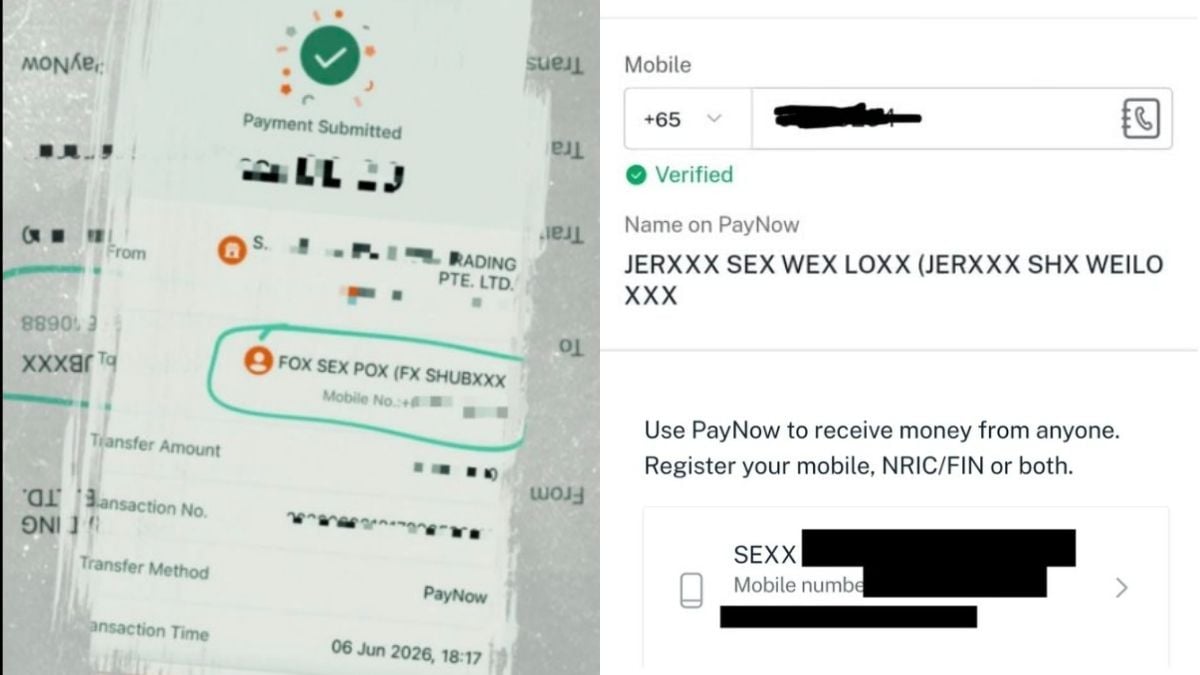
“Community leaders have reported receiving threats, while personal information and home addresses are being circulated online. Families are living in fear of harassment and violence,” the statement said.
It added that such actions placed an already vulnerable population at “grave risk” and were incompatible with values of compassion and justice.
False narratives and online amplification
The coalition said misinformation has played a central role in fuelling hostility, including claims that Rohingya refugees are demanding citizenship, political power or territorial autonomy in Malaysia.
These claims, they said, have been deliberately amplified on social media platforms, contributing to a climate of fear and resentment.
The statement stressed that refugees fleeing persecution in Myanmar arrived in Malaysia seeking safety rather than privilege.
It said: “Responding to survivors of such circumstances with mockery, threats and dehumanisation betrays the values of humanity and decency that are often claimed to be upheld.”
The groups also highlighted how online narratives have increasingly portrayed an entire community as criminals or threats based solely on identity, warning that such rhetoric risks normalising discrimination.
Escalation into real-world harm
Civil society organisations said the consequences of online hate speech are now manifesting in real-world intimidation.
Doxing incidents, circulation of personal data and threats of violence have reportedly created an atmosphere of fear within affected communities.
The coalition said such developments demonstrate how digital platforms can directly contribute to physical insecurity when misinformation is left unchecked.
They warned that allowing such narratives to persist risks further escalation, including harassment and potential violence.
Wide civil society endorsement
The joint statement was endorsed by more than 20 organisations, including Beyond Borders, Tenaganita, North South Initiative, Persatuan Sahabat Wanita Selangor, Centre for Independent Journalism, Geutanyoe Aceh, Women’s Peace Network, Youth Empowerment Support, Suara Rakyat Malaysia, Undi18, ALTSEAN-Burma and Asia Justice and Rights.
Other signatories included Sarawak Women for Women, Family Frontiers, Pusat Komas, Bersih, Freedom Film Network, the Socialist Party of Malaysia, Iman Research, Asylum Access Malaysia and the Rohingya Maìyafuìnor Collaborative Network.
The coalition urged public institutions, political actors, media organisations and social media platforms to reject misinformation and take active steps to counter harmful narratives.
Legal and human rights concerns
Separately, rights organisation ARTICLE 19 expressed alarm over what it described as a proliferation of hate speech and discriminatory content targeting Rohingya refugees.
It called on authorities to condemn violent rhetoric and ensure that threats against refugees are investigated and prosecuted where appropriate.
The organisation noted that while freedom of expression is protected under international human rights law, it is not absolute.
It stated that restrictions on speech may be justified when necessary to protect the rights of others, including security, equality and non-discrimination.
ARTICLE 19 also pointed to international frameworks, including the Rabat Plan of Action, which guides states on addressing incitement to hostility and violence.
It urged Malaysia to strengthen safeguards against incitement while ensuring that any restrictions remain lawful, necessary and proportionate.
Domestic context and institutional response
The Human Rights Commission of Malaysia (SUHAKAM) previously issued a statement on 3 June expressing concern over rising online hostility and discriminatory rhetoric targeting Rohingya refugees.
It warned that dehumanising narratives risk eroding social cohesion and undermining basic principles of human dignity.
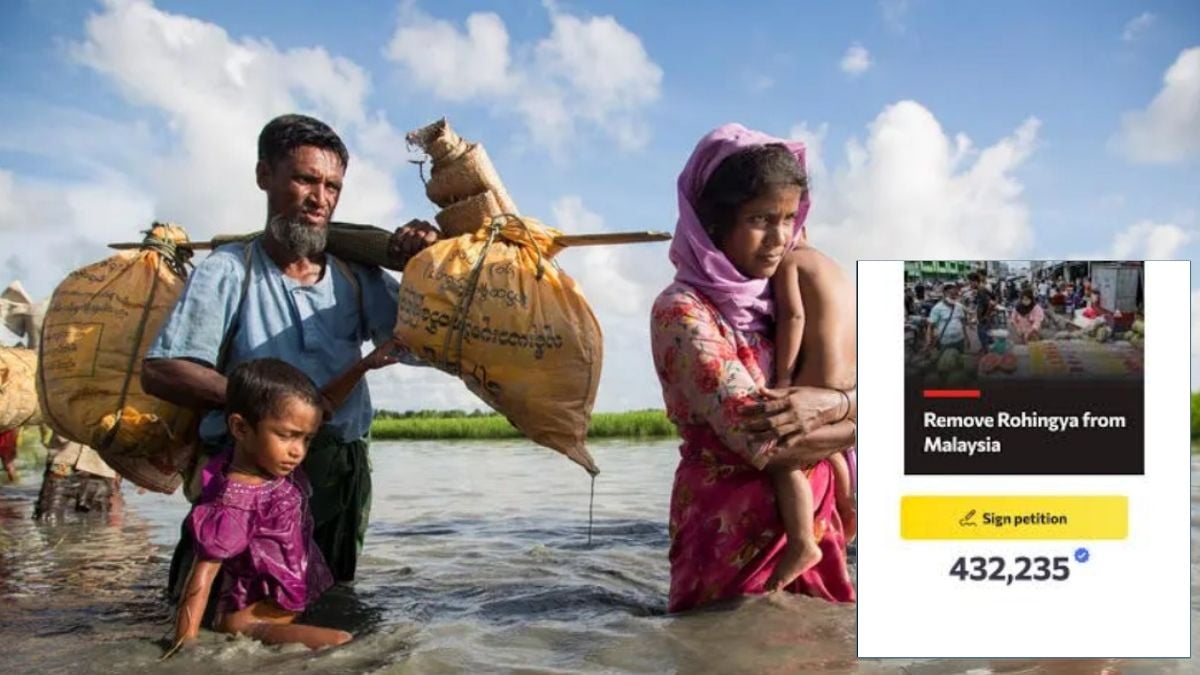
Separately, public debate has been fuelled by an online petition launched on 29 May calling for the removal of Rohingya refugees from Malaysia, which reportedly gathered hundreds of thousands of signatures before being suspended for review following complaints.
Authorities have reiterated that responses to refugee-related issues must balance humanitarian considerations with national security and international responsibility.
The Minister of Home Affairs has previously stated that decisions regarding refugees cannot be driven by emotion or public sentiment alone, but must reflect broader humanitarian obligations.
Call for responsibility and restraint
The coalition urged political actors, media outlets and social media platforms to refrain from exploiting public fear or amplifying unverified claims.
It also called on law enforcement agencies to take threats against refugees seriously and ensure accountability for those responsible for intimidation or incitement.
The groups said Malaysia’s treatment of vulnerable communities reflects broader societal values.
“Malaysians must resist efforts to pit communities against one another through lies and scapegoating,” the statement said.
It added that a nation’s moral standing is measured by how it treats its most vulnerable populations.
The coalition called for solidarity, truth and restraint in public discourse, warning that continued misinformation risks deepening division and normalising hostility.