UK to ban social media for under-16s by spring 2027
Prime Minister Keir Starmer has announced that under-16s will be banned from social media platforms including TikTok, Instagram and X by spring 2027, following a consultation backed by 90% of parents. The ban excludes WhatsApp and Signal, with enforcement falling on companies.
- Under-16s banned from major social media platforms across the UK by spring 2027.
- Messaging services WhatsApp and Signal excluded; enforcement falls on tech companies, not parents.
- Ban follows consultation with 116,000 responses; experts question its effectiveness and evidence base.

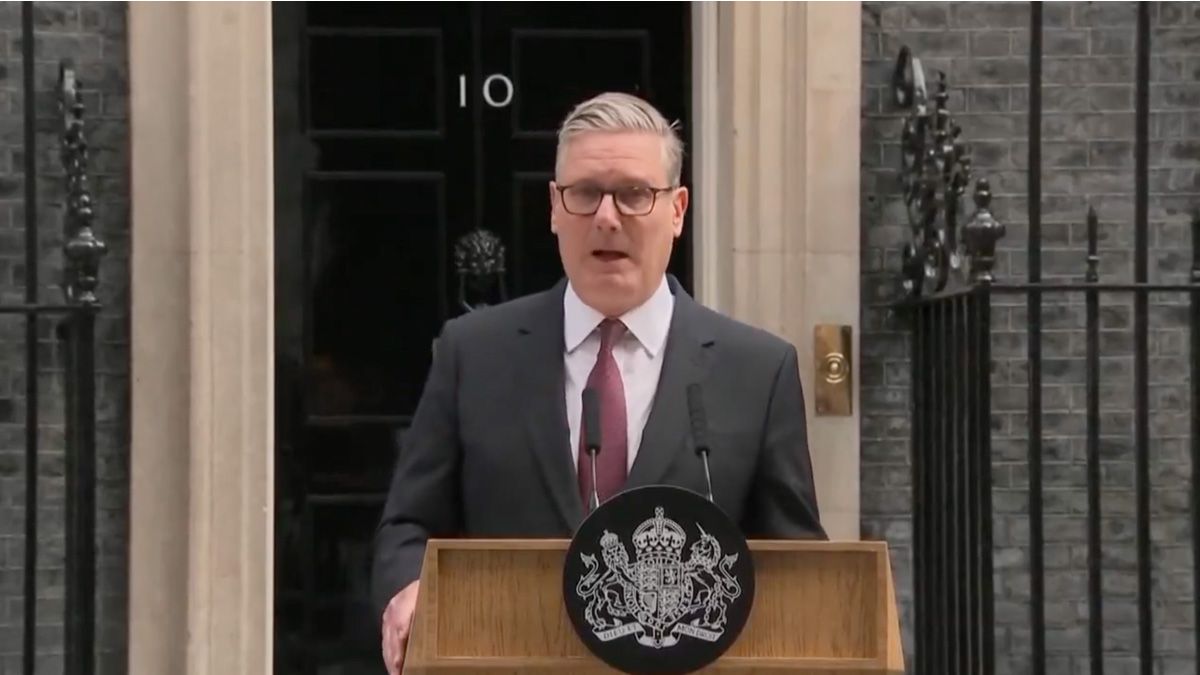
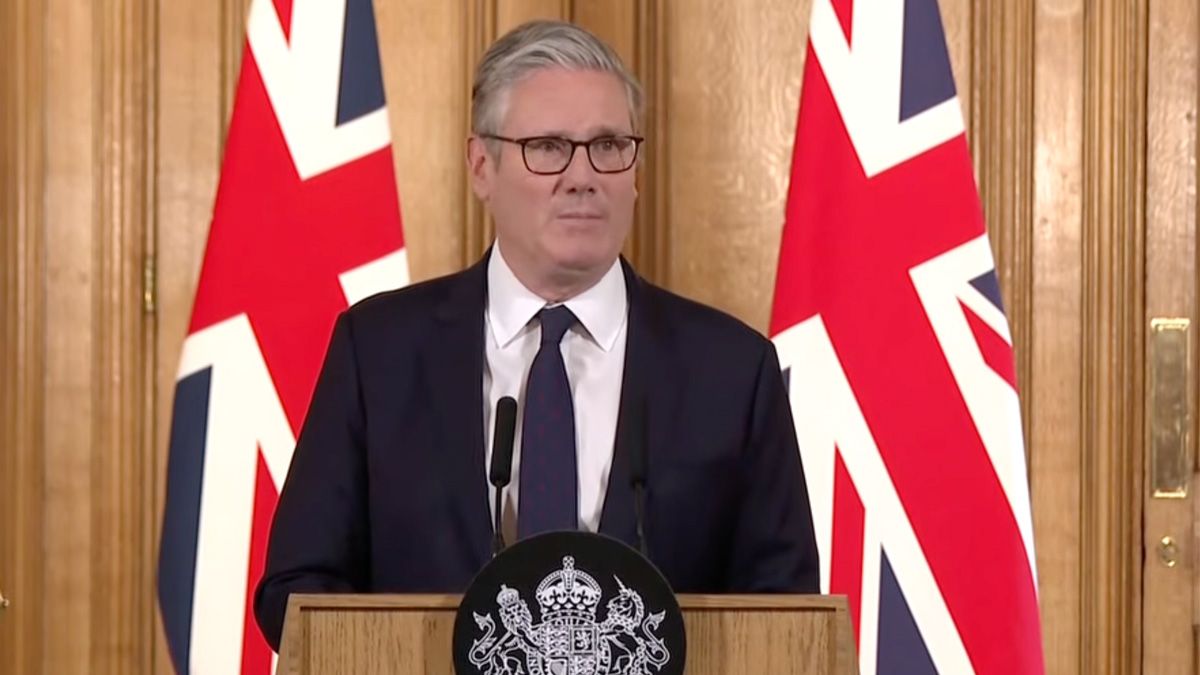
Under-16s in the UK will be banned from using major social media platforms by spring 2027, Prime Minister Keir Starmer announced on Monday, 15 June 2026, in what the government has described as a defining moment for child safety.
Speaking at a press conference in Downing Street, Starmer said a full ban was the right choice, made as a parent himself. He said he was not prepared to compromise on the safety and happiness of children, and that the ban must and would happen.
In a video posted to his YouTube channel, Starmer framed the decision in personal terms, saying that as a parent of two children, all he had ever wanted was for them to be safe and happy. He said children today had to find their feet in a world that changed quickly, where technology intruded into every area of their lives.
The ban will cover platforms including Snapchat, TikTok, YouTube, Instagram, Facebook and X. Messaging services such as WhatsApp and Signal will not be included, the government confirmed.
The measures will adopt the same model introduced by Australia, which in December 2025 became the first country in the world to legislate such a ban. The model captures user-to-user platforms whose purpose is social interaction and which use algorithms.
Enforcement will fall on technology companies rather than children or their parents, Technology Secretary Liz Kendall told the House of Commons. She said the government had an overall ban but also powers to address specific risky features in other services.
The government has said it will go further than Australia. Blocks on harmful functions, including livestreaming and stranger communication with children, will apply to a wider range of services, including gaming sites.
These restrictions will be on by default for 16- and 17-year-olds to prevent what the government called a cliff-edge at 16. Ministers are also examining overnight curfews and breaks in infinite scrolling for under-18s, with further detail expected in July.
Kendall also told MPs that Britain was becoming the first country in the world to ban chatbots offering sexualised content to under-18s, with similar functionality to be restricted on general purpose chatbots.
The announcement followed a public consultation that drew more than 116,000 responses from parents, young people and experts. The government said 90% of parents who responded backed a minimum age of 16, while 85% said the risks of social media outweighed the benefits.
Two-thirds of young people who took part said children younger than 16 should not be allowed to use at least some social media platforms, according to the government.
To support compliance, the government plans to introduce highly effective age assurance measures. Ofcom will conduct a rapid study on verifying whether a user is over 16, and Kendall has written to its new chair seeking an urgent review of enforcement capabilities.
The government has indicated that many adults will not need to complete age checks, as their accounts may have been open for more than 16 years, have a credit card linked, or use an email address verified by other means. Those not already verified could use a facial recognition check.
Political reaction was broadly supportive but qualified. Conservative leader Kemi Badenoch called it an important step in helping parents protect childhood, while describing it as the latest Labour U-turn.
Shadow Technology Secretary Julia Lopez said Starmer had been personally opposed to the ban six months earlier, and questioned where funding would come from. Reform UK leader Nigel Farage called the ban well-intentioned but said it was unlikely to work because of widespread use of virtual private networks (VPNs).
The Liberal Democrats criticised the policy as a hodgepodge cobbled together after months of delay. The Green Party cautioned against a blanket ban, citing concerns that some young people, particularly disabled and LGBTQIA+ children, could be cut off from support.
Disability organisations echoed those concerns. The Royal Society for Blind Children said social media could be a place where friendships form and young people feel less alone, and warned the ban risked cutting off vital routes to connection.
Experts and researchers offered mixed assessments. Several scientists pointed to limited direct evidence that a ban would improve children's mental health, while acknowledging that excessive screen time can be harmful and that platforms need to be made safer.
Recent polling by the Molly Rose Foundation, which opposes a UK ban, found that 70% of children still using restricted sites in Australia said it was easy to circumvent the rules.
Technology companies were critical. A YouTube spokesperson called the platform a vital resource for young people and warned a blanket ban could push children towards less safe services. Meta, which owns Instagram and Facebook, said restrictions risked driving young people to unregulated alternatives lacking built-in protections.
Elon Musk, the owner of X, described the UK as a police state, claiming the measure was designed to enable the government to track everyone.
The government says regulations will be laid before parliament before the end of the year, with the ban expected to come into force by spring 2027.