Indonesia military court sentences soldiers over acid attack on activist Andrie Yunus
CIVICUS has condemned military court sentences of between 18 months and three years handed to four Indonesian soldiers over an acid attack on human rights defender Andrie Yunus, urging the case be moved to the civilian justice system.
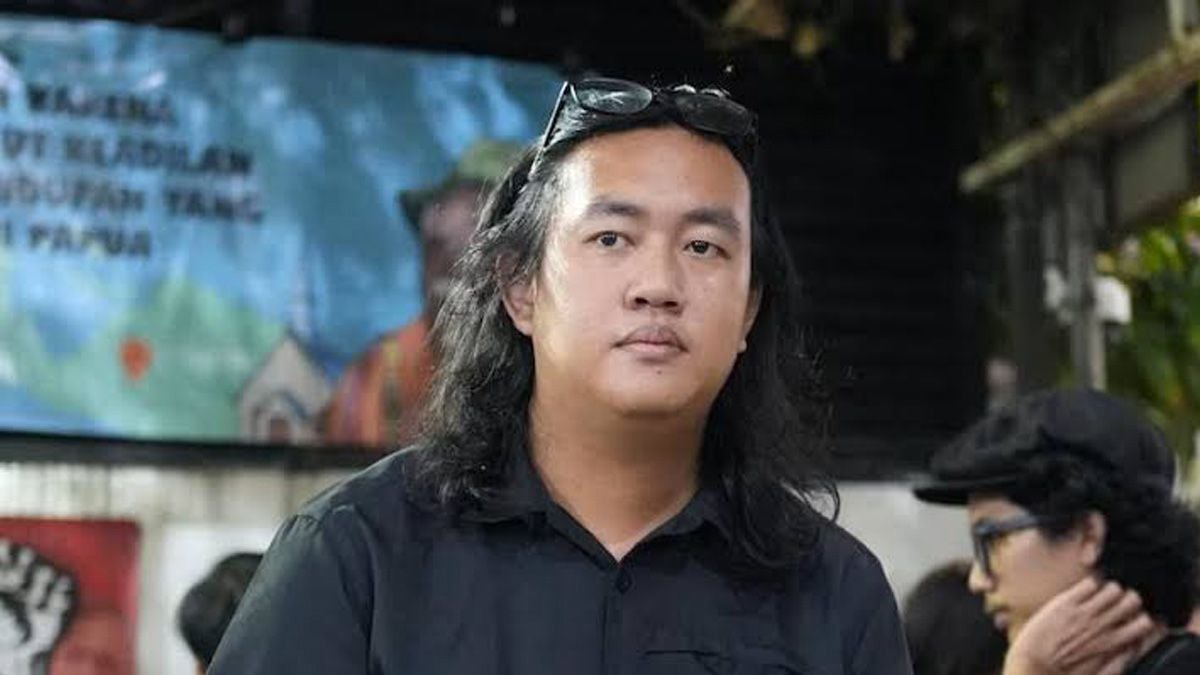
- Four soldiers sentenced to between 18 months and three years over acid attack on activist.
- CIVICUS demands transfer to civilian justice system, citing military court accountability gaps.
- Civil society investigation identified at least 16 individuals allegedly involved in the attack.

Four members of the Indonesian National Armed Forces have been sentenced to between 18 months and three years in prison over an acid attack on human rights defender Andrie Yunus, in a decision condemned by global civil society alliance CIVICUS as inadequate and unjust.
The sentences, handed down by a military court, have prompted CIVICUS to call for the case to be transferred to the civilian justice system. The alliance argued that the penalties would embolden, rather than deter, those targeting activists in Indonesia.
The attack took place on Thursday, 12 March 2026, in Central Jakarta. According to CIVICUS, Yunus was targeted immediately after recording a podcast on the militarisation of civil and political affairs in the country.
The assault caused severe and permanent injuries requiring long-term treatment. CIVICUS stated that the acid burns affected Yunus's eyes, skin, and joints.
Four soldiers were detained, charged, and subsequently sentenced. CIVICUS said the outcome reflected concerns raised from the outset that a military court would not deliver justice in the case.
The defendants were issued the charge of premeditated aggravated assault. CIVICUS contended that this lesser charge did not adequately account for the impact of what it described as a life-threatening attack.
A civil society investigation conducted by the Advocacy Team for Democracy (TAUD) identified at least 16 individuals allegedly involved in the attack. CIVICUS said this pointed to the possible involvement of further perpetrators beyond those convicted.
United Nations experts have condemned the attack. According to CIVICUS, they highlighted that military courts in Indonesia lack mechanisms to ensure accountability for high-ranking officials.
Josef Benedict, Asia-Pacific Researcher for CIVICUS, called on the government to try the case within the civilian justice system, in line with international human rights law and standards.
He said the investigation must ensure that all actors involved, including those who planned and executed the attack, are held to account. He warned that failing to do so would perpetuate a climate of impunity in Indonesia.
CIVICUS also raised concerns regarding the conduct of the prosecution. The alliance said the Military Prosecutor had sought lenient prison sentences for each of the four defendants.
The Military Prosecutor further requested that the court order the destruction of material evidence related to the attack, according to CIVICUS. The alliance warned that such a request could carry serious implications for the pursuit of justice.
There were also concerns that the police had stalled their investigation and disregarded the findings of the independent civil society inquiry, which indicated the possible involvement of other perpetrators.
CIVICUS welcomed reports that the South Jakarta District Court, on Tuesday, 2 June 2026, ordered the police to continue their investigation into the case.
Benedict said the police must take the investigation seriously and keep civil society and representatives updated on its progress.
He added that state bodies, including the National Human Rights Commission and the ASEAN Intergovernmental Commission on Human Rights, must monitor the investigation to ensure it is conducted independently and impartially.