Shawn Loh proposes surplus sharing if Budget surplus exceeds 2% of GDP
Shawn Loh has proposed a formal surplus-sharing mechanism, urging that any fiscal surplus above 2 per cent of GDP be returned to Singaporeans through CDC vouchers, CPF top-ups or rebates. He also called for stronger job support, more progressive property taxes and bold measures to tackle inequality and falling birth rates.
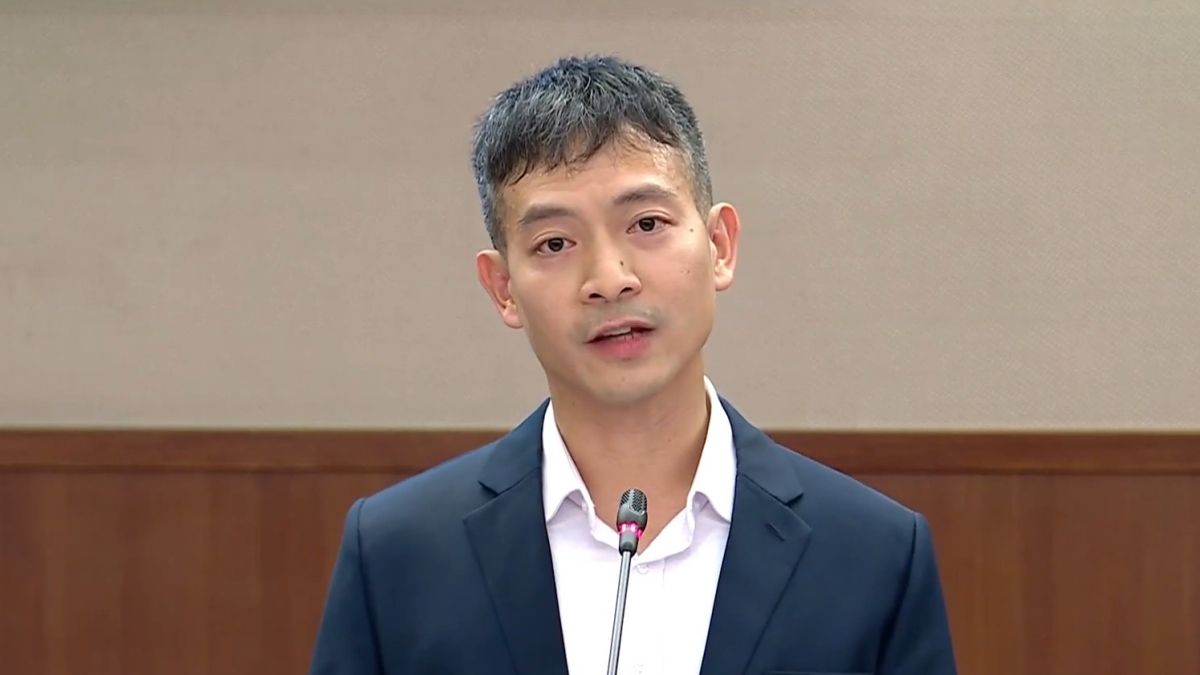
- Shawn Loh proposed returning any fiscal surplus above 2% of GDP to Singaporeans.
- He argued economic growth has not translated into broad-based gains.
- He called for stronger redistribution, job support and pro-family measures.

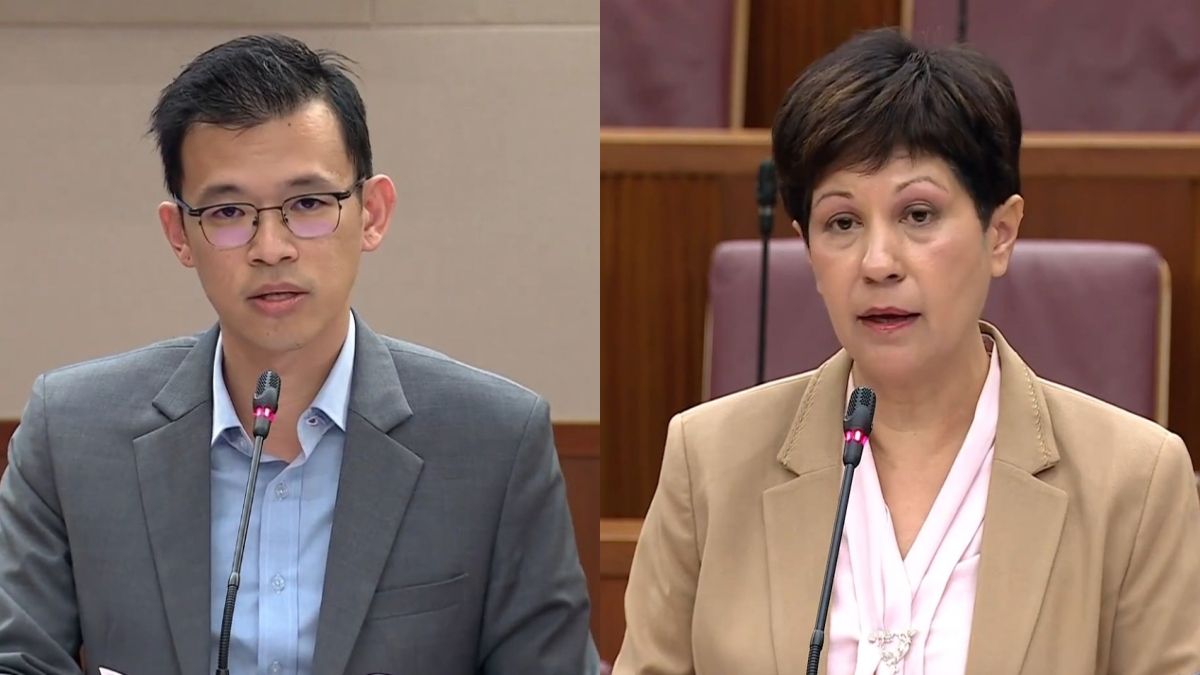
SINGAPORE: Member of Parliament Shawn Loh has proposed a formal surplus-sharing mechanism, suggesting that any fiscal surplus exceeding 2 per cent of gross domestic product be returned to Singaporeans in the following year.
Speaking during the Budget 2026 debate on 24 February 2026, the Jalan Besar GRC MP said such a move would assure citizens that when Singapore prospers, all benefit.
Under his proposal, surpluses above the 2 per cent threshold could be distributed through additional Community Development Council vouchers.
If concerns arise about inflationary effects, the funds could instead be channelled into universal Central Provident Fund top-ups or rebates for government services such as transport and utilities.
Record surplus and fiscal context
Prime Minister Lawrence Wong had earlier announced in his Budget speech on 12 February 2026 that the fiscal surplus for financial year 2025 stood at S$15.1 billion, equivalent to 1.9 per cent of GDP.
While the largest in absolute terms, it was not the highest proportionally. In 2017, the surplus reached 2.3 per cent of GDP.
Loh noted that corporate income tax collections have exceeded traditional planning assumptions since the Covid-19 pandemic, rising above 4 per cent of GDP compared with the previous rule of thumb of 3 per cent.
He described this as reflecting a “Singapore premium” of stability and security in a more uncertain global environment, crediting past investments in economic and security infrastructure.
At the same time, he cautioned that fiscal planning may grow more uncertain with the introduction of the domestic top-up tax and other goods and services tax-related measures.
In that context, he said it was preferable to err on the side of conservatism in projections, arguing it is better to be surprised by a surplus than confronted with a deficit.
Growth figures and lived experience
Despite headline growth of 5 per cent last year and inflation below 1 per cent, Loh questioned whether Singaporeans felt a corresponding improvement in living standards.
He said many residents in Jalan Besar and Whampoa, including seniors and younger jobseekers, expressed doubts that economic figures reflected their daily realities.
“The trickle-down effect that we have hoped for has, for some, indeed been just a trickle,” he said.
According to Loh, the direct gains of economic growth are increasingly captured by a smaller segment of workers in globally competitive sectors.
For retirees without wages, growth may translate primarily into higher prices. For workers facing technological disruption, it may bring heightened job insecurity.
Addressing wealth inequality
Loh warned that wealth inequality risks becoming entrenched across generations if left unchecked.
He acknowledged that a modest degree of inequality can incentivise effort and reward capability, reflecting Singapore’s meritocratic ethos.
However, he raised concerns that birth circumstances are increasingly influencing life outcomes.
“It is natural for parents to want the best for their children,” he said, but added that parental advantages must not determine long-term prospects.
He called for policies that “systematically lean” against entrenched inequality, ensuring that all Singaporeans can aspire to success regardless of background.
Among his suggestions were more progressive property taxes, higher taxes on investment properties and progressive stamp duties on inherited property.
Strengthening support for seniors and workers
Loh urged enhanced redistribution to eradicate elderly poverty, particularly for older generations who did not benefit from today’s retirement policies during their working years.
He advocated increasing Silver Support payouts and granting the highest tier to seniors aged 80 or 85 and above living in Housing and Development Board flats.
Beyond direct transfers, he emphasised the importance of employment as the most sustainable form of support.
He described existing schemes, including the Progressive Wage Credit Scheme, as short-term measures that function as “band-aids” amid rising manpower costs.
Loh proposed a more ambitious job-seeker support framework, including time-limited salary support for employers hiring individuals who have been unemployed for at least six months.
Such measures, he said, would give workers confidence that the Government stands behind those earnestly seeking employment.
Tackling falling birth rates
Loh characterised declining birth rates as an existential challenge.
He argued that without immigration, the citizen population could shrink significantly over generations.
While acknowledging that parenthood is a personal decision, he said the Government should remove economic barriers to having children.
He proposed making basic childcare, infant care and student care free, describing them as public goods akin to basic education.
LifeSG credits, he added, could be systematically extended to parents with children up to 16 years old and sized to cover more basic out-of-pocket costs.
Commitment on tax stability
Amid cost-of-living concerns, Loh called for a commitment not to introduce major revenue-raising measures until 2035, barring material adverse circumstances.
He noted that the Government has thus far pledged not to raise goods and services tax until 2030.
While advocating tax stability, he stressed that tax policy should continue to reflect societal values and broader objectives beyond revenue collection.