Online petitions opposing Gillman and Maju Forest housing plans surpass 31,500 endorsements
Online opposition to proposed housing developments at Gillman Barracks and Maju Forest has intensified, with two petitions attracting more than 31,500 endorsements. The campaigns come as HDB continues public consultations and says the plans remain subject to feedback until 6 August 2026.
- Two online petitions opposing the Gillman Barracks and Maju Forest housing plans have exceeded 31,500 combined endorsements.
- HDB says both proposals remain under consultation and will be refined after public feedback closes on 6 August 2026.
- Campaigners are calling for greater transparency, alternative development studies and stronger protection of forest habitats.

SINGAPORE: Online campaigns opposing proposed housing developments at Gillman Barracks and Maju Forest have continued to gain momentum, reflecting growing public debate over balancing Singapore's housing needs with environmental conservation.
As of 5.00pm on 20 July 2026, the combined number of endorsements across two online petitions had exceeded 31,500.
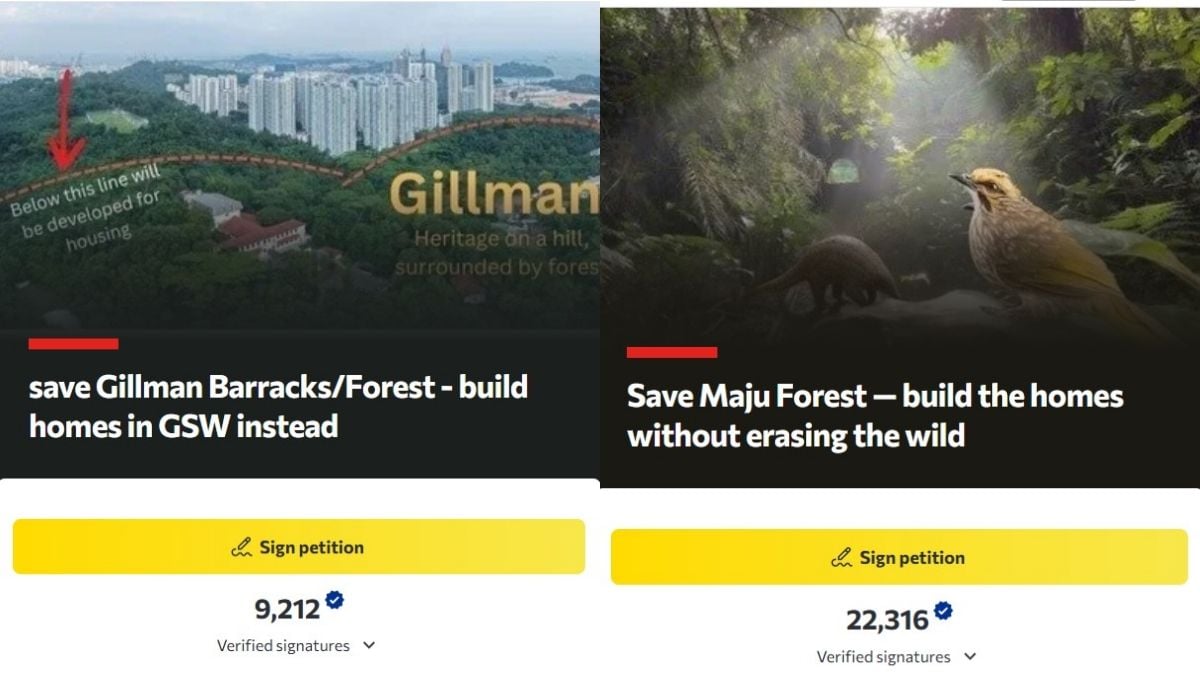
The "Save Gillman Barracks/Forest" petition had attracted more than 9,200 signatures, while the "Save Maju Forest — Build the homes without erasing the wild" petition, launched on 11 July, had gathered more than 22,300 signatures.
The campaigns gained traction just 10 days after the Housing and Development Board (HDB) announced on 10 July that it intended to develop new homes at Gillman Barracks and the Sunset Way site in Clementi.
HDB says plans remain under review
On 17 July, HDB chief town planner Dr Chong Fook Loong, who is also group director of the agency's urban planning division, said the proposed public housing development at Sunset Way was not final as HDB sought to balance residents' concerns over Maju Forest with Singapore's housing needs.
"We have to make trade-offs. We have to understand how to balance housing and nature to bring about the best plan, as we always do wherever we go," said Dr Chong.
He said strong demand for public housing meant HDB had to consider sites beyond previously developed land.
Referring to the recent Clementi Build-to-Order exercise, Dr Chong said applications exceeded the available flats by more than four times, demonstrating sustained housing demand.
He added that HDB had prioritised brownfield sites wherever possible but suitable land within Clementi and neighbouring areas had become increasingly limited.
"So, we have to now focus on Sunset Way site to see how that can help to enhance the supply," he said.
Dr Chong said planning for the site had been guided by the Environmental Impact Assessment, which identified biodiversity features that would help shape development decisions.
"That plan is not final. We are working on it... through these plans and through these trade-offs, we hope to work further with residents and stakeholders," he said.
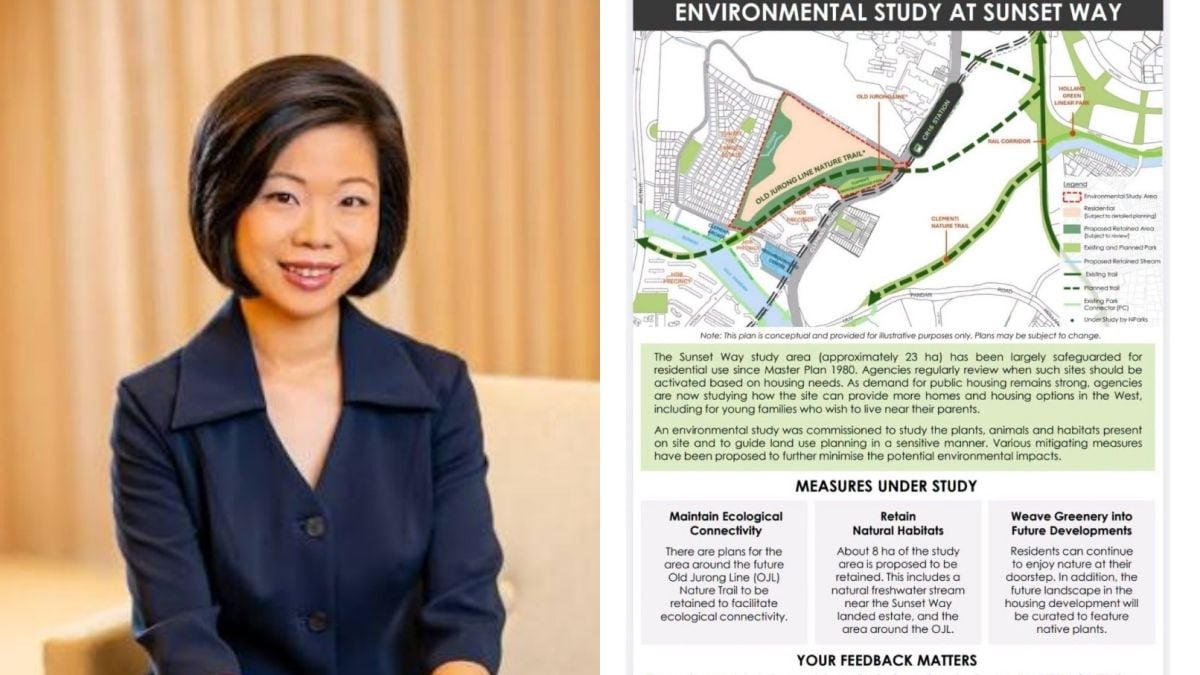
Under HDB's current proposal, about eight hectares of the 23-hectare study area, mainly along the forest edges, would be retained while the remaining land would be developed for housing.
Residents raise environmental concerns
According to CNA, Senior Minister of State Sim Ann, who is also a Holland-Bukit Timah GRC MP, attended the 17 July engagement session.
She said the session gave residents an opportunity to raise their concerns directly with government agencies.
Residents highlighted concerns over the possible loss of greenery, future traffic congestion, construction noise and the amenities that could accompany the proposed development.
Many Sunset Way residents told CNA they found the announcement of Maju Forest's proposed redevelopment difficult to accept.
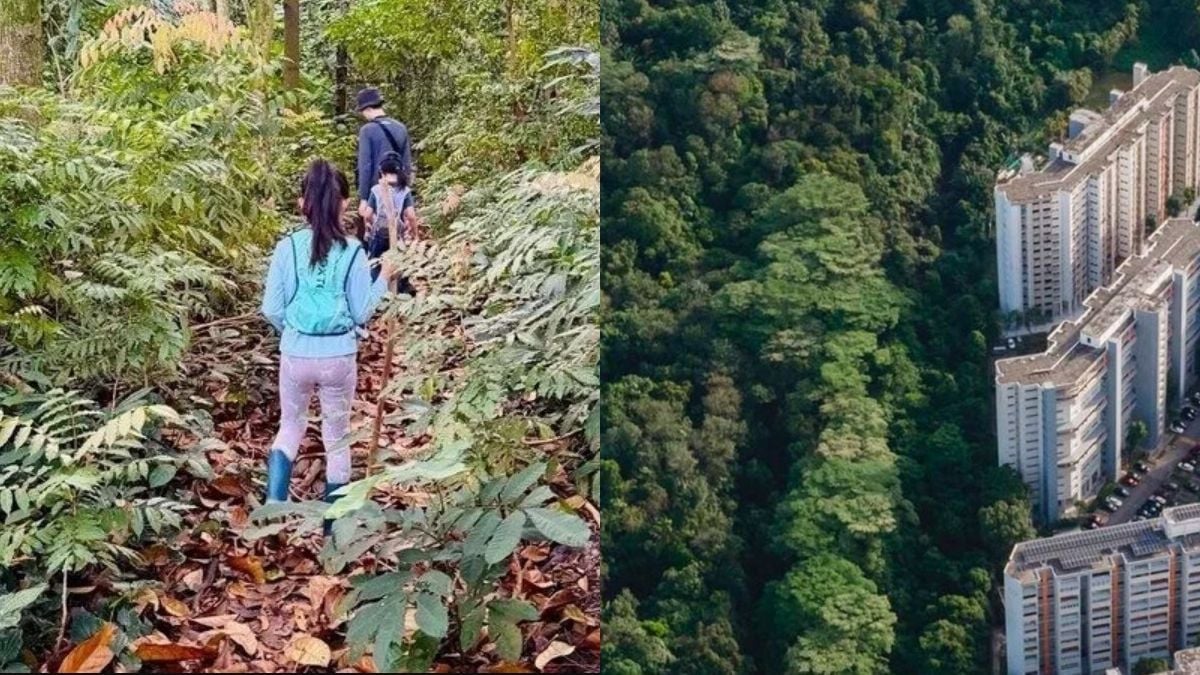
Long-time residents who regularly visit the forest said it provides a rare connection to nature within an urban estate.
One resident who frequently photographs wildlife described the forest as "a rare opportunity to live in an urban environment and still be so close" to nature and hoped more of it could be preserved.
Others urged HDB to prioritise brownfield sites before clearing forests.
Some residents, however, supported the proposals, citing Singapore's limited land supply and continued housing needs, while others welcomed the prospect of fewer monkey encounters but remained concerned about possible traffic congestion.
'We were heard, but were we listened to?' Petition organiser calls for greater transparency
On 19 July, Save Maju Forest petition organiser Raymong Ong published an update expressing scepticism over whether residents' opposition had been genuinely considered during the engagement session.
He also questioned the pace of the proposed redevelopment and called on HDB to publish residents' feedback together with its responses, commission an independent study into alternative development options and the project's human impacts, and pause irreversible works until those findings are completed and made public.
Ong said he attended the dialogue hoping HDB had learned from earlier debates over Dover Forest, where residents and environmental groups also opposed forest clearance.
"Instead, the same playbook was deployed. The plans felt already decided and the session felt like a final item on a checklist before the first tree fell," he wrote.
He questioned whether residents had been invited to influence decisions or merely observe a process already underway.
"Were we invited to influence a decision or simply to witness one?" he asked.
Ong said residents raised concerns extending beyond biodiversity to education, recreation, public health, heritage and community identity.
"We were heard, but were we listened to? There is a difference and everyone in the room felt it," he wrote.
He also argued that environmental assessments should be complemented by a Human Impact Assessment examining the effects on residents' lives and emotional well-being.
"The pace of development should never outweigh getting the planning right," he wrote, urging HDB to ensure public engagement takes place before decisions become difficult to change.
HDB outlines environmental safeguards
HDB has said the proposed developments at Gillman Barracks and Sunset Way were informed by detailed environmental and heritage studies.
The agency said findings from those studies, together with public feedback submitted by 6 August, would help shape the final development plans, including housing yield, flat mix, project classification and development timelines.
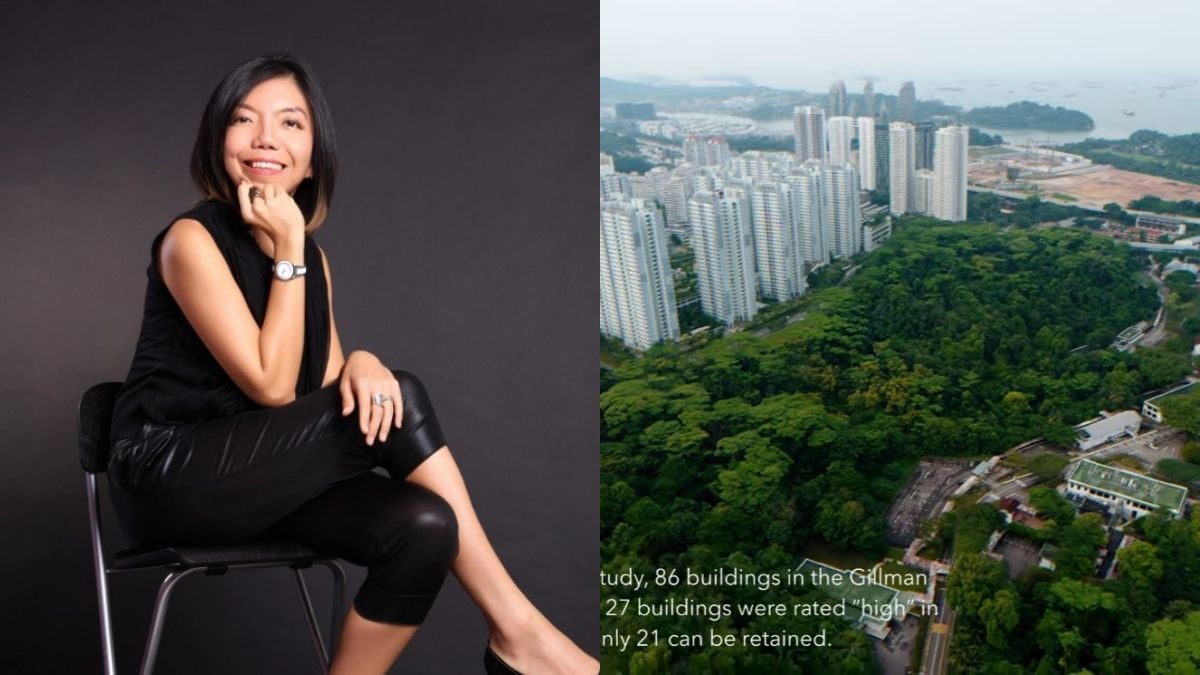
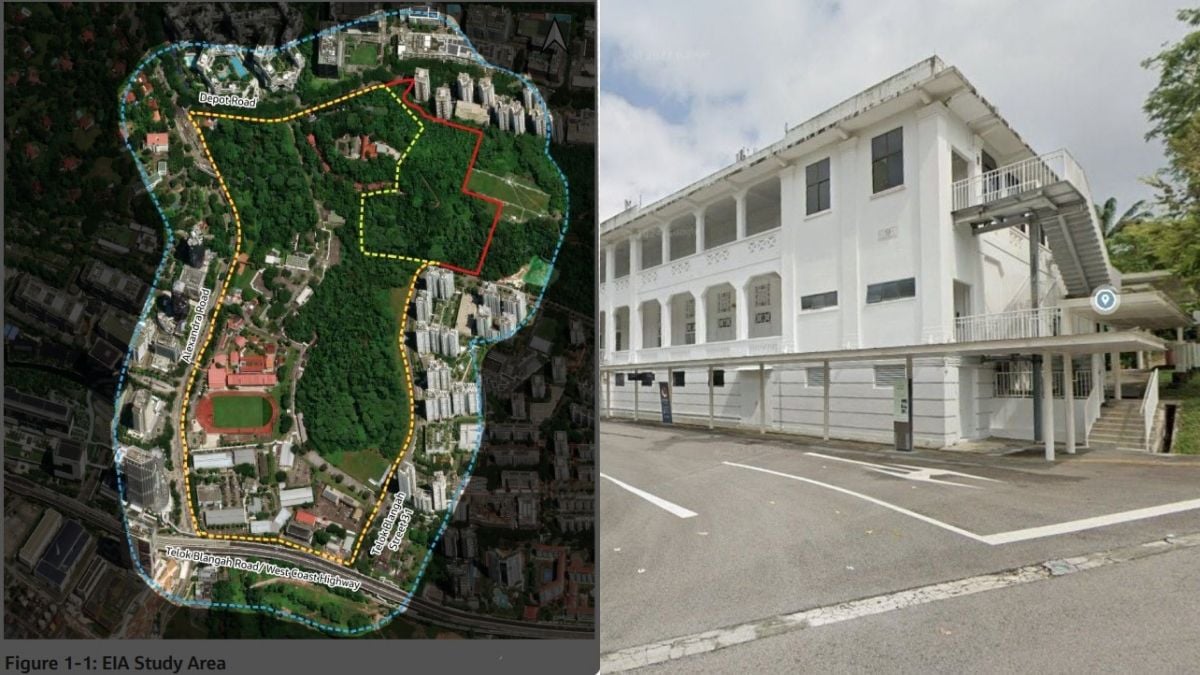
At Gillman Barracks, HDB plans to build public and private homes near the Greater Southern Waterfront while retaining more than 20 of the site's 86 heritage buildings.
The proposal also includes preserving most of the existing secondary forest, a natural forest stream and ecological corridors.
Environmental surveys identified 293 plant species and 178 fauna species at the site, including 33 species of conservation significance.
HDB said the plans include ecological corridors of at least 30 metres in width, around eight hectares of connected green space and phased vegetation clearance to minimise impacts on wildlife.
Four heritage clusters are also proposed for retention and could be adapted for commercial and community uses.
For the 23-hectare Sunset Way site, HDB said the proposed estate would provide additional housing options in western Singapore while incorporating biophilic landscape design featuring native plant species.
Approximately eight hectares of land, including a natural freshwater stream and areas along the former Old Jurong Line, would be retained as wildlife habitat and connected to a proposed nature trail.
Both petitions continue encouraging members of the public to submit feedback before the consultation closes on 6 August and to write to their Members of Parliament calling for greater transparency, consideration of alternative sites and protection of the Maju and Clementi forests as a connected ecological corridor while addressing Singapore's housing needs.