Tan See Leng rejects national on-the-job training scheme, backs targeted GRIT approach
Assoc Prof Jamus Lim proposed a national on-the-job training system to widen apprenticeships beyond STEM and finance. Manpower Minister Dr Tan See Leng responded that the Government favours a targeted approach through GRIT and existing schemes.

- WP MP Jamus Lim proposed institutionalising a national on-the-job training system.
- He argued structured apprenticeships can reduce labour market polarisation.
- Dr Tan See Leng said the Government will not nationalise OJT, favouring targeted schemes such as GRIT.

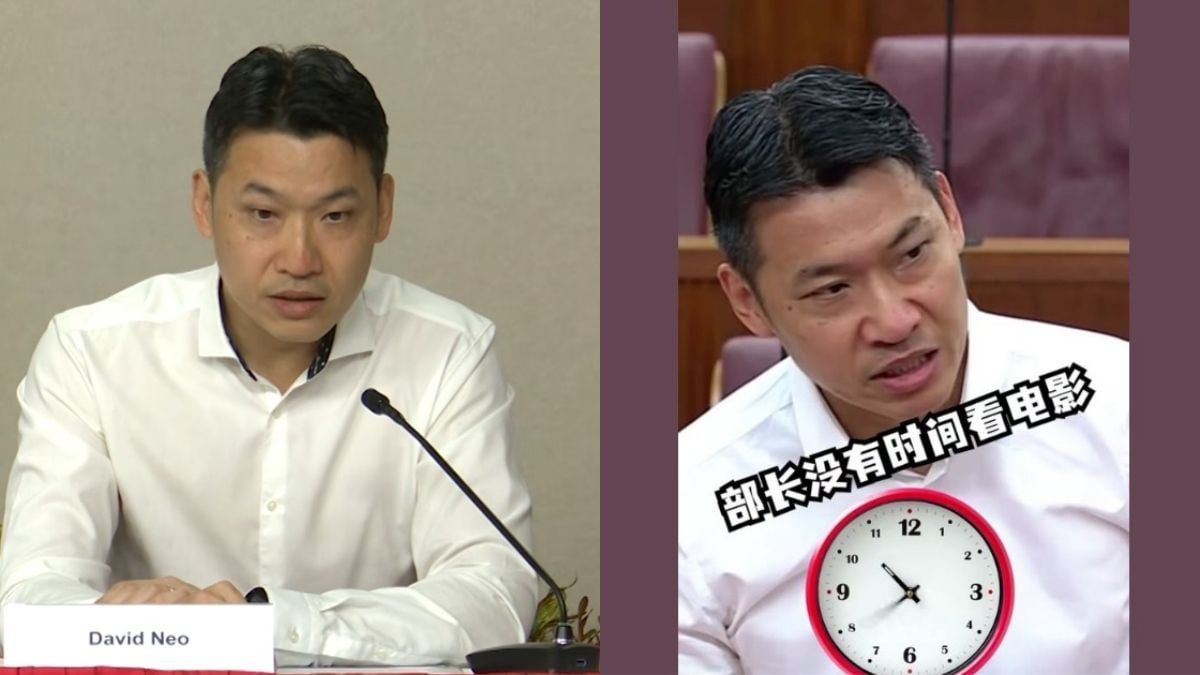
On 3 March, during the Committee of Supply debate on the Ministry of Manpower, Associate Professor Jamus Lim proposed establishing a national framework for on-the-job training (OJT), arguing that Singapore should institutionalise apprenticeships, internships and mentorships across sectors.
Lim, Workers’ Party MP for Sengkang GRC, illustrated his argument with a personal anecdote about a close friend who trained in architecture but began his career in investment banking.
“That in and of itself is unremarkable,” he said, noting that the financial sector accounts for one in every 16 workers in the labour force. “What is remarkable, however, is how he got there.”
Lim explained that the bank hired his friend despite his academic background being unrelated to finance.
“They were impressed by his sharpness and moxie,” he said, adding that the firm believed it could teach him the necessary skills on the job.
Skills learned beyond the classroom
The anecdote, Lim said, demonstrated a broader reality that many skills required for employment are acquired outside formal education.
“In spite of the best efforts of educators like myself, most of the skills needed for our jobs are not learned in the classroom but in live settings, on-the-job training or OJT,” he said.
He noted that OJT may take the form of structured apprenticeships and internships or informal mentorship arrangements, often imparting specialised skills more directly relevant to daily work performance than formal certification.
Lim pointed out that countries such as Australia, France, Germany, India, Switzerland and Turkey operate national-level apprenticeship systems.
Singapore, he said, has OJT mechanisms, but these remain fragmented or overly focused on assessment.
Concerns over certification focus
Lim cited the Workforce Skills Qualification Framework under SkillsFuture, which includes an assessment-only pathway.
He argued that its emphasis on certification can hamper practical skill development.
“By emphasising paper qualifications, the AOP continues to be hamstrung by an insistence on assessment over demonstration,” he said.
He also referred to career conversion programmes administered by Workforce Singapore, which are largely linked to Industry Transformation Maps and concentrated in professional and technical roles.
Lim acknowledged the launch of the Graduate Industry Traineeships (GRIT) programme, announced by Prime Minister Lawrence Wong at the National Day Rally, and expressed support for it.
However, he observed that publicly available listings appeared limited. “While the economy is doing well, I believe that GRIT’s time has come,” he said, warning that generative artificial intelligence may reduce entry-level opportunities.
Proposal for national framework
Lim argued that without a steady pipeline of structured training, Singapore risks shortages of experienced mid-level workers in future.
He proposed institutionalising a national OJT system covering apprenticeships, internships and mentorships, with standardised rules governing employer and trainee commitments.
A national framework, he said, could promote better worker–firm matching and encourage mobility once formal training is completed.
He added that such a system should extend beyond STEM and finance to non-academic pursuits including culinary arts, music, sport, artisanal crafts and other experience-based professions.
To strengthen corporate participation, Lim suggested allowing workers to use SkillsFuture credits for paid internships. He also proposed that apprenticeships typically span six months to one year.
No intention to develop a national institutionalised OJT programme
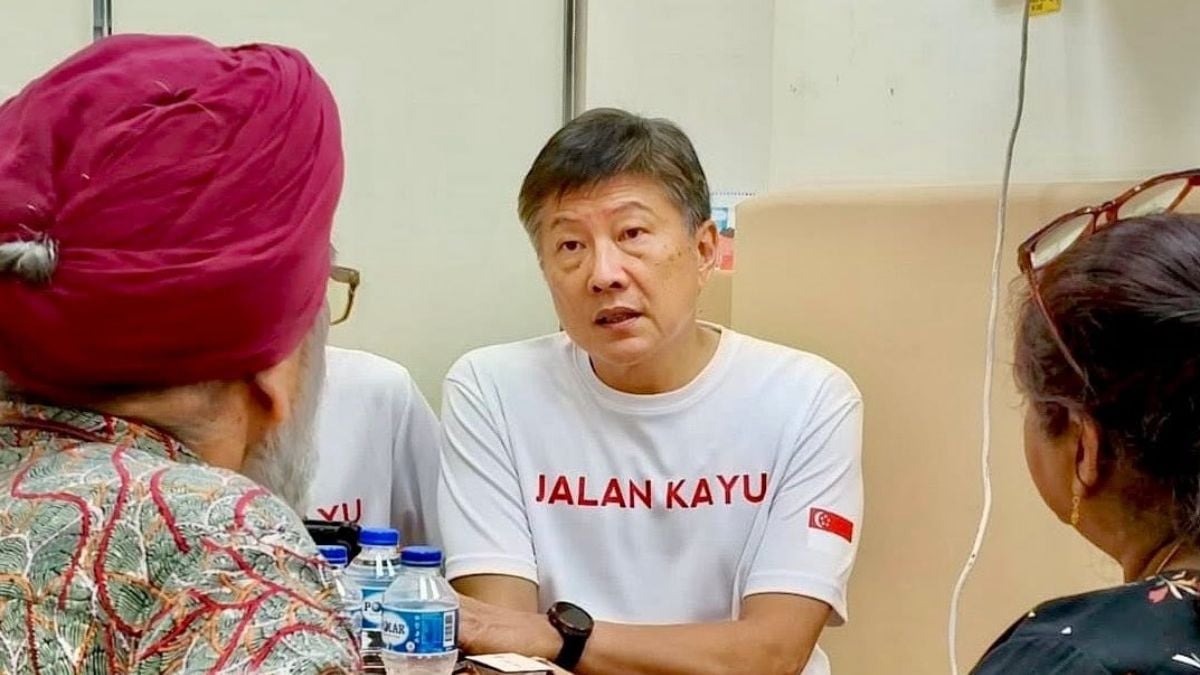
Responding to the proposals, Manpower Minister Tan See Leng said the Government does not intend to develop a national institutionalised OJT programme.
“At this current moment, we do not intend for it to be a national institutionalised programme for OJT,” he said.
Tan noted that there remain more job vacancies than job seekers, although mismatches in expectations and job types persist.
He said GRIT was introduced to support graduates who may need structured industry exposure and added that more than 400 graduates have embarked on traineeships across industries.
The scheme remains open to graduates from the 2025 cohort and will extend to the 2026 cohort. The Government is also accelerating onboarding processes and may expand capacity if market conditions require.
Targeted, sector-specific approach
Tan said the Government prefers a “more differentiated, a more targeted, and a more surgical approach towards each sector rather than a blanket nationalised programme”.
He cautioned that broad-based wage subsidies could lead to inefficiencies or unintended consequences, including potential displacement of older workers.
While acknowledging suggestions from Members of Parliament, including Lim’s proposal, Tan said existing work-based learning schemes such as the AI Apprenticeship Programme and SkillsFuture Work-Study Programme already enhance OJT pathways.
He added that many graduates secure employment within months without wage subsidies.
Clarification sought
Following the Minister’s reply, Lim sought clarification on whether the Government would expand GRIT beyond STEM and finance and whether a timeline for expansion could be provided.
Tan reiterated that there are no plans to transform GRIT into a national programme. He confirmed that administration of many such schemes would be handled by the newly formed Workforce Singapore entity.
“We all want the same thing for our people,” Tan said. “We want to ensure that we deliver the best outcomes for them.”