Singapore passes tougher vape laws: up to 20 yrs’ jail, caning for adults involving youths in Kpods supply
Singapore has passed tougher anti-vaping laws imposing fines of up to S$10,000 for users and S$300,000 for smugglers. Adults who involve youths in supplying Kpods could face up to 20 years’ jail and caning, under a new law targeting vapes and psychoactive substances.

- Singapore approved tougher anti-vaping laws with higher fines and longer jail terms.
- Adults involving youths in Kpod supply face up to 20 years’ jail and 15 strokes of the cane.
- New law regulates psychoactive substances, strengthens enforcement and introduces rehabilitation measures.

Singapore has approved sweeping new anti-vaping laws that significantly increase penalties for users, sellers and smugglers of electronic vaporisers and related products.
The legislation was passed on 6 March 2026 and will take effect on 1 May 2026, strengthening enforcement against vaping devices and Kpods, a form of vape cartridge laced with the anaesthetic agent etomidate.
Authorities said the tougher measures aim to deter rising misuse of vapes, particularly among young people, and to curb illegal supply networks.
Severe penalties for adults involving youths
Under the new law, adults who involve young people or vulnerable individuals in the smuggling or supply of Kpods can face up to 20 years in jail and up to 15 strokes of the cane.
Adults found possessing Kpods who fail to prevent a young person from using them may also face serious penalties.
Such individuals could be jailed for up to 10 years under the amended legislation.
The measures form part of changes to the Tobacco and Vaporisers Control Act, previously known as the Tobacco (Control of Advertisements and Sale) Act.
The revised law was introduced through the Tobacco (Control of Advertisements and Sale) (Amendment) and Other Matters Bill.
Much higher fines for vaping offences
Penalties for vaping offences have been increased sharply under the new framework.
The maximum fine for buying, possessing or using vapes will rise from S$2,000 to S$10,000.
Those caught selling vapes can face fines of up to S$200,000 and up to six years’ imprisonment.
Smugglers face the harshest penalties, including fines of up to S$300,000 and jail terms of up to nine years.
Previously, distributors, importers and sellers faced up to six months’ jail and a fine of up to S$10,000.
Officials said the new penalties represent a fivefold increase for users, a twentyfold increase for sellers, and a thirtyfold increase for smugglers.
Enforcement powers expanded
The law also expands enforcement powers and responsibilities for both authorities and private premises.
Entertainment venues such as clubs and bars must stop patrons from vaping and require them to discard their devices.
Operators are permitted to remove patrons who refuse to comply.
Drivers entering Singapore with vapes in their vehicles will also face stricter liability rules.
Instead of claiming ignorance, drivers must now prove they were unaware that prohibited devices were present in their vehicles.
Authorities said the change closes a loophole previously used by offenders to avoid responsibility.
Regulation of psychoactive substances in vapes
The legislation also introduces a new category of specified psychoactive substances to address drugs delivered through vaporisers.
Etomidate and its analogues, commonly found in Kpods, will be regulated under this category.
Penalties for offences involving these substances will be aligned with those under existing drug laws.
The Health Sciences Authority will be able to issue rehabilitation orders for individuals believed to have consumed such substances.
Repeat offenders may be sent to a Drug Rehabilitation Centre.
Authorities will also be allowed to require urine and hair tests as part of enforcement and monitoring.
Rehabilitation and addiction support measures
Officials said the law incorporates rehabilitation alongside enforcement measures.
During the six months preceding the legislation, authorities recorded 5,170 vaping offences.
Among them, 593 individuals were identified as Kpod users.
A total of 70 offenders completed rehabilitation programmes during the same period, while four youths later reoffended.
In addition, more than 110 people voluntarily sought help to quit Kpods.
The temporary classification of etomidate as a Class C drug, initially set to expire on 28 February 2026, was extended until 30 April 2026 to allow the new legislation to take effect.
Crackdown on illegal supply networks
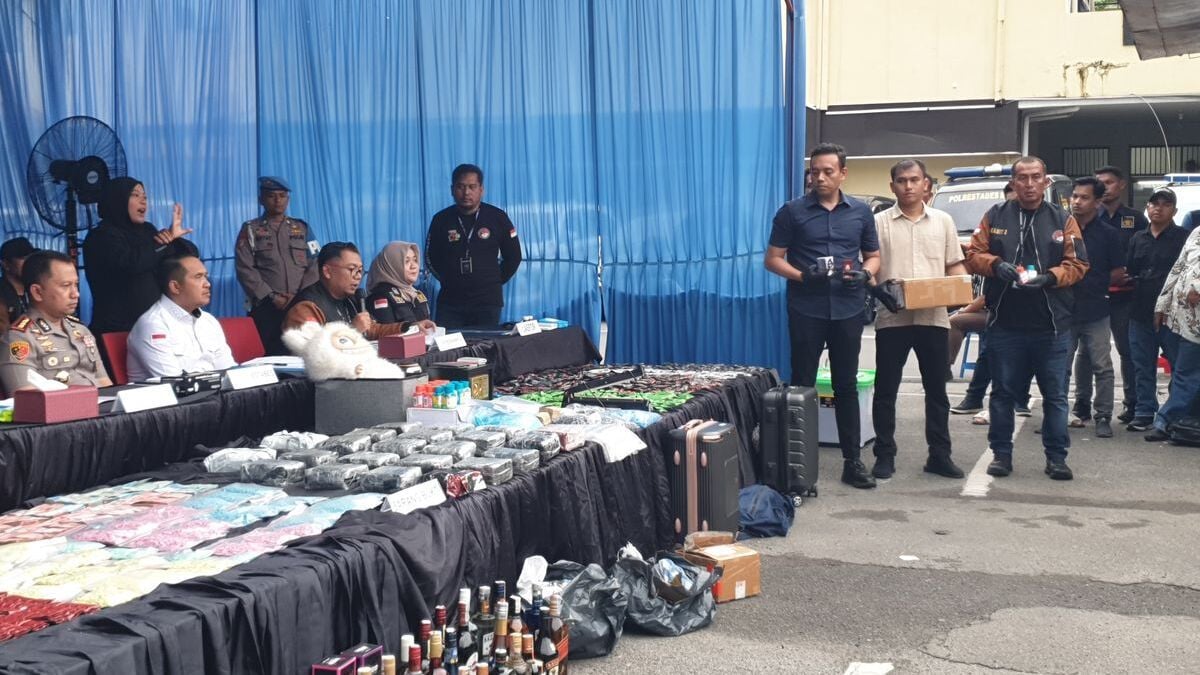
Authorities have also stepped up efforts to dismantle illegal vape supply chains.
Officials reported several illegal storage and distribution operations discovered in warehouses and storage facilities.
The largest seizure involved more than 400,000 vapes and related components valued at over S$5 million.
To address such activities, the new law introduces an offence targeting property owners and occupiers.
Those who fail to prevent tenants or others from storing prohibited vape products on their premises can face up to three years’ jail and fines of up to S$100,000 for a first offence.
Penalties may double for repeat offenders.
Authorities have also worked with the Online Criminal Harms Act Office to curb online sales and advertising.
Since 2024, more than 10,000 online advertisements promoting vapes have been removed.
In addition, 27 websites selling vaping products have been blocked since September 2025.
Parliamentary debate highlights wider concerns
During the parliamentary debate, several lawmakers raised concerns about vaping enforcement and the broader health impacts of tobacco use.
Chua Chu Kang GRC MP Dr Choo Pei Ling described vaping as a growing public safety issue and sought clarification on enforcement measures.
The Workers' Party MP for Sengkang GRC He Ting Ru called for balanced policies that give young vape users opportunities to change without being stigmatised.
She also urged authorities to strengthen mental health support for children and teenagers and address social factors linked to nicotine addiction.
Aljunied GRC MP Gerald Giam supported stronger regulation of vaporisers and psychoactive substances while highlighting the long-term health burden of tobacco smoking.
He proposed exploring stricter nicotine limits, stronger action against secondhand smoke, and the possibility of a future cohort ban on smoking.
Senior Minister of State for Health Koh Poh Koon said the government would continue working with other agencies to address these issues.
He said firm enforcement alone would not eliminate vaping but remained essential to reduce its harms.
Officials added that vaping has not yet become deeply entrenched in Singapore, creating what they described as a critical window for decisive action.