Meta disables 150k scam-linked Facebook and Instagram accounts in joint Singapore, Thailand, US crackdown
Meta has removed more than 150,000 accounts linked to Southeast Asian scam networks following a coordinated international crackdown involving law enforcement from Singapore, Thailand, and the United States.
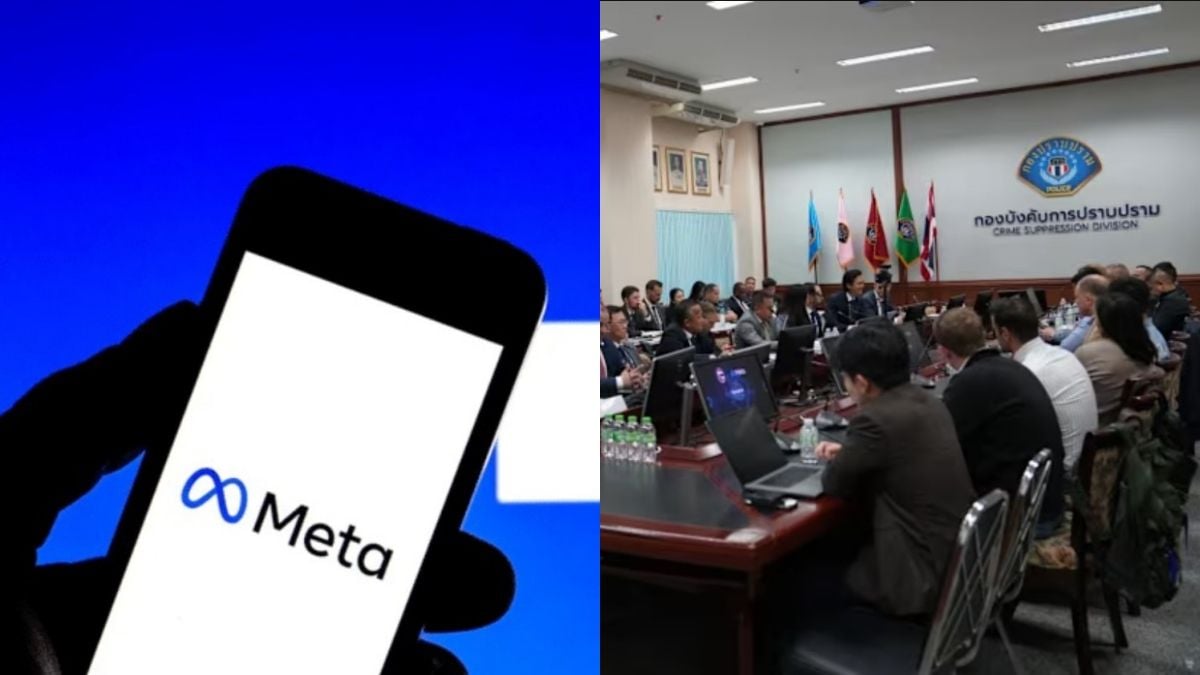
- A joint international operation resulted in the removal of 150,000 Facebook and Instagram accounts and 21 arrests in Thailand.
- Criminal syndicates primarily targeted Mandarin-speaking audiences in higher-income markets using impersonation and cryptocurrency investment scams.
- Meta is introducing new AI-driven detection tools and suspicious activity alerts across Facebook, WhatsApp, and Messenger.

Meta has disabled more than 150,000 Facebook and Instagram accounts linked to sophisticated scam centre networks in Southeast Asia.
The mass removal followed a global law enforcement operation conducted last week involving agencies from Singapore, Thailand, and the United States.
Approximately 4,900 of these accounts were dismantled with the direct assistance of the Singapore Police Force (SPF).
The SPF provided critical intelligence to Meta, the parent company of Facebook, Instagram, and WhatsApp, to facilitate the targeted takedowns.
The coordinated effort, known as Joint Disruption Week, was based in Bangkok. It was led by the Royal Thai Police Anti-Cyber Scam Center, the United States Federal Bureau of Investigation (FBI), and the Department of Justice Scam Center Strike Force.
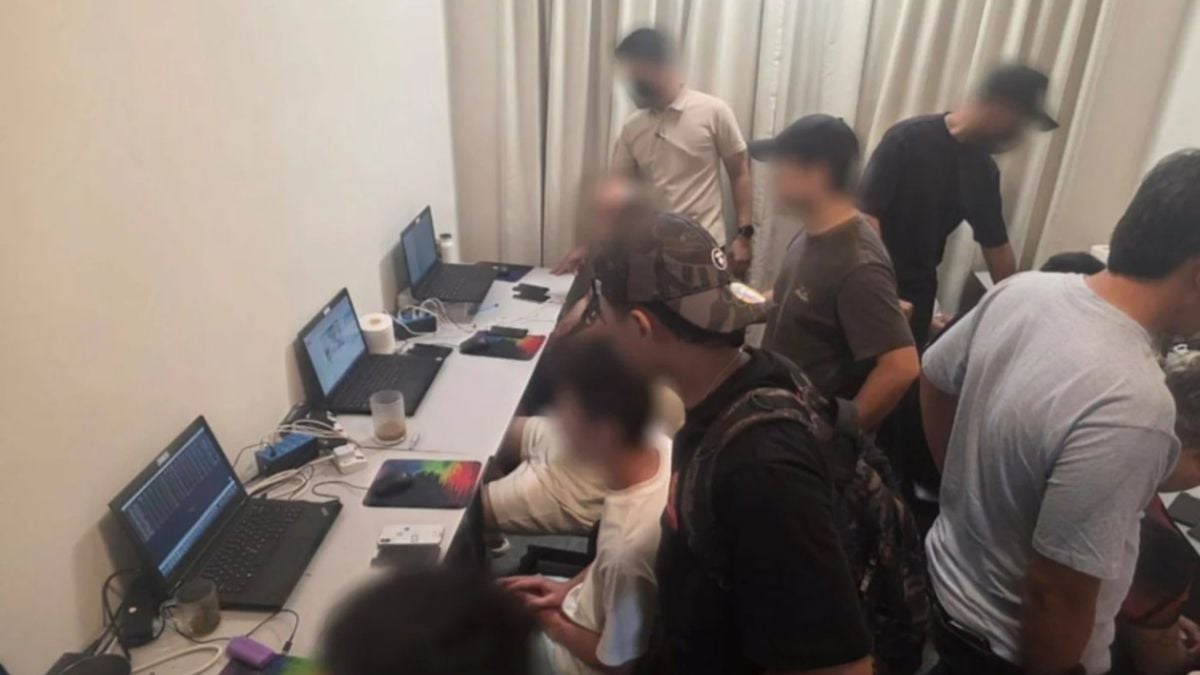
During the press conference on 11 March 2026, Meta confirmed that the Royal Thai Police arrested 21 individuals for their involvement in criminal scam activities. This enforcement represents the second major joint crackdown since December 2025.
The previous operation in late 2025 resulted in the removal of 59,000 accounts, pages, and groups. It also led to the issuance of six arrest warrants, marking a sustained escalation in cross-border digital policing.
Alongside the enforcement news, Meta released its adversarial threat report for the first half of 2026.
The report highlighted that Mandarin-speaking audiences in China, Taiwan, Hong Kong, and Singapore remain primary targets for these criminal syndicates.
Meta noted that these targeting patterns reflect the high expected returns of wealthier markets. They also align with the operational capabilities of scam compounds, which often recruit or coerce workers to communicate in major regional languages.
The director of global threat disruption at Meta, David Agranovich, identified three specific scam trends observed during the latest operation.
These include law enforcement impersonation, digital arrest scams, and sophisticated cryptocurrency investment fraud.
Digital arrest scams involve fraudsters posing as government officials during fake video calls to coerce victims into transferring assets.
Cryptocurrency scams often involve building false romantic or professional relationships before luring targets into fraudulent schemes.
Agranovich stated that the company expects to conduct more joint operations throughout 2026.
He emphasised that real-time intelligence sharing between platforms and law enforcement allows for more effective disruption of criminal networks than independent action.
Daryl Poon, director of law enforcement for the Asia-Pacific region at Meta, observed that scam networks now operate across borders and adapt quickly.
He noted that these criminals frequently shift tactics between different platforms and legal jurisdictions.
Deputy Assistant Commissioner of Police (DAC) Gregory Kang from the SPF reiterated the importance of this cooperation. DAC Kang, the assistant director of the cybercrime division, stated that proactive information sharing is essential to disrupt the underlying criminal infrastructure.
Police Lieutenant General Jirabhop Bhuridej of the Royal Thai Police added that these syndicates cause tangible harm to the economy. He asserted that the operation sends a clear message that authorities will continue to suppress online crime to protect citizens.
To further protect users, Meta announced the rollout of new security tools for Facebook, Messenger, and WhatsApp. Facebook will now provide alerts to help users identify and block requests from accounts showing suspicious activity patterns.
On WhatsApp, new protections will alert users when a device linking request appears suspicious. This aims to prevent scammers from tricking individuals into scanning QR codes or entering codes that give fraudsters access to their private accounts.
Meta is also expanding advanced scam detection on Messenger this month. If a chat with a new contact matches common scam patterns, such as fraudulent job offers, the platform will trigger an artificial intelligence scam review.
If a potential scam is detected, the system will provide users with information on common fraudulent tactics. It will also suggest immediate protective actions, including the option to block or report the suspicious account.