Singapore to form Veterinary Council under new law to raise standards
Singapore will establish a Veterinary Council under a new law passed on 8 April 2026 to regulate the profession, strengthen standards and introduce a structured registration framework for veterinarians.

- Singapore passed a law to create a Veterinary Council regulating standards and professional conduct.
- A three-tier registration system will classify veterinarians as full, restricted or specialist.
- Lawmakers raised concerns over rising costs, workforce shortages and reliance on overseas education.

Singapore will establish a Veterinary Council to regulate the veterinary profession and raise industry standards under legislation passed in parliament on 8 April 2026.
The Veterinary Practice Bill introduces a comprehensive legal framework covering professional registration, education and discipline, addressing gaps in existing laws, according to the National Parks Board (NParks).
Speaking during the parliamentary debate, Alvin Tan, Minister of State for National Development, highlighted significant growth in the sector over the past two decades.
“The number of licensed veterinarians has grown more than fivefold over two decades to nearly 700 as of end-2024,” he said.
He added that the profession has evolved alongside rising public expectations and increasingly complex veterinary services.
“In particular, there has been a rise in the number of vet specialists and breadth of vet specialisations available here in Singapore, offering specialised surgical and medical services,” he said.
New council to oversee standards and conduct
The Veterinary Council is expected to be established in the second half of 2026 and will serve as the central regulatory body for the profession.
It will be responsible for managing registration, regulating professional conduct, setting education requirements and investigating cases of misconduct or negligence.
The council will comprise members from both the public and private sectors. At least two laypersons who are not veterinarians will be included to represent public interest.
NParks said complaints against veterinarians will first be reviewed by a registrar, who will recommend appropriate action to the council.
Appeals arising from decisions can be escalated either to the minister or the High Court, depending on the level at which the case is handled.
The Animal and Veterinary Service (AVS), a cluster under NParks, will continue to oversee broader animal health and welfare, including disease management and biodiversity issues.
Fines of S$50,000 or 12 months’ jail for illegal veterinary practice
Under the new framework, veterinarians will be categorised into a three-tier registration system comprising full, restricted and specialist tiers.
Most practitioners are expected to fall under the “full” tier, which applies to those holding veterinary medicine qualifications from prescribed universities.
Veterinarians working in niche areas, such as zoos or research institutes, will be placed under the “restricted” category.
Those with recognised postgraduate qualifications or specialised expertise, including veterinary ophthalmologists and pathologists, will be designated as “specialists”.
Existing veterinarians licensed by AVS will transition to the new system from 2027, with authorities stating that there will be no disruption to their practice.
The Bill also introduces stricter penalties for unauthorised practice. Individuals posing as qualified veterinarians or operating without a licence may face fines of up to S$50,000 or up to 12 months’ imprisonment.
This marks a significant increase from the current maximum fine of S$10,000 under the Animals and Birds Act.
Affordability concerns raised in parliament
During the debate, several Members of Parliament raised concerns about the affordability of veterinary care, citing rising costs faced by pet owners.
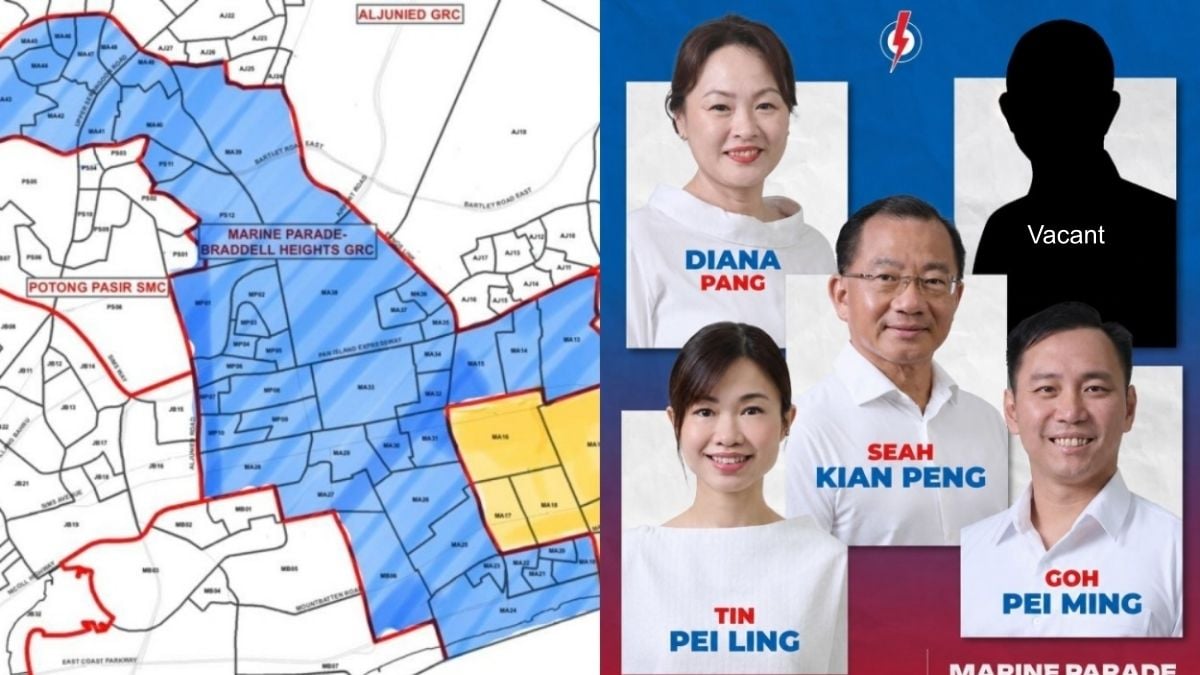
Marine Parade-Braddell Heights MP Diana Pang highlighted that expenses for diagnostics, surgery, hospitalisation and follow-up care have become a growing burden.
“For some families, this presents a genuine affordability challenge, sometimes forcing them to delay or decline necessary treatment or to struggle financially, even if they wish to do their best for the ‘fur child’,” she said.
She called for measures to improve affordability and increase price transparency within the sector.
Radin Mas SMC MP Melvin Yong also pointed to feedback from the public regarding inconsistent pricing and limited clarity on costs.
He noted concerns over the lack of upfront pricing, wide fee variations and difficulties comparing services across providers.
In response, Tan said that existing professional guidelines already require veterinarians to communicate clearly with clients.
He noted that the Code of Ethics for Veterinarians obliges practitioners to explain treatment options, associated costs and risks, obtain informed consent and avoid unnecessary procedures.
Authorities are also exploring the possibility of introducing fee listings to improve transparency.
“While we understand that many Singaporeans see pets as a member of their family – mine included – and we understand concerns around vet costs, we must also recognise that pet ownership is a personal choice and a long-term commitment that comes with responsibilities,” he said.
NParks clarified that pricing and fees fall outside the scope of the Bill, but added that AVS will consider separate measures to address affordability concerns.
Workforce and training challenges highlighted
Lawmakers also raised concerns about manpower shortages and the sustainability of the veterinary workforce.
Sengkang GRC MP from the Workers' Party Louis Chua noted that aspiring veterinarians must currently study overseas at recognised institutions, as Singapore does not offer a local veterinary degree.
He described this as a costly pathway that is accessible only to those with sufficient financial means or scholarships.
“A profession whose entire intake depends on Singaporeans willing to bear the cost and disruption of overseas education with no guarantee of returning is a profession with a structurally fragile supply chain,” he said.
Bishan-Toa Payoh MP Cai Yin Zhou added that workforce growth has not kept pace with demand, pointing out that one in three households in Singapore owns a pet.
He said long working hours and burnout are prompting some veterinarians to leave for opportunities in countries such as Australia and the United Kingdom, further tightening supply and contributing to rising costs.
“The Bill’s additional regulatory requirements risk compounding this, adding compliance burden that may deter talent from entering or staying in the profession,” he said.
He called for an expansion of recognised overseas qualifications and the development of local licensing pathways.
Government to explore local training pathways
In response, Tan said that AVS and the forthcoming Veterinary Council will collaborate with the Ministry of Education and institutes of higher learning to strengthen veterinary education and training.
This includes exploring options for mid-career entrants into the profession.
He added that ongoing reviews will assess manpower needs, resource requirements and the feasibility of establishing a local veterinary degree programme.
These efforts aim to build a more sustainable pipeline of veterinary professionals while supporting the long-term development of the sector.