Mayon eruption displaces over 100,000 in Philippines as ashfall strains water, health, and relief systems
Heavy ashfall from Mayon Volcano has affected more than 100,000 people in the Philippines, triggering evacuations, water shortages, and a nationwide emergency response.
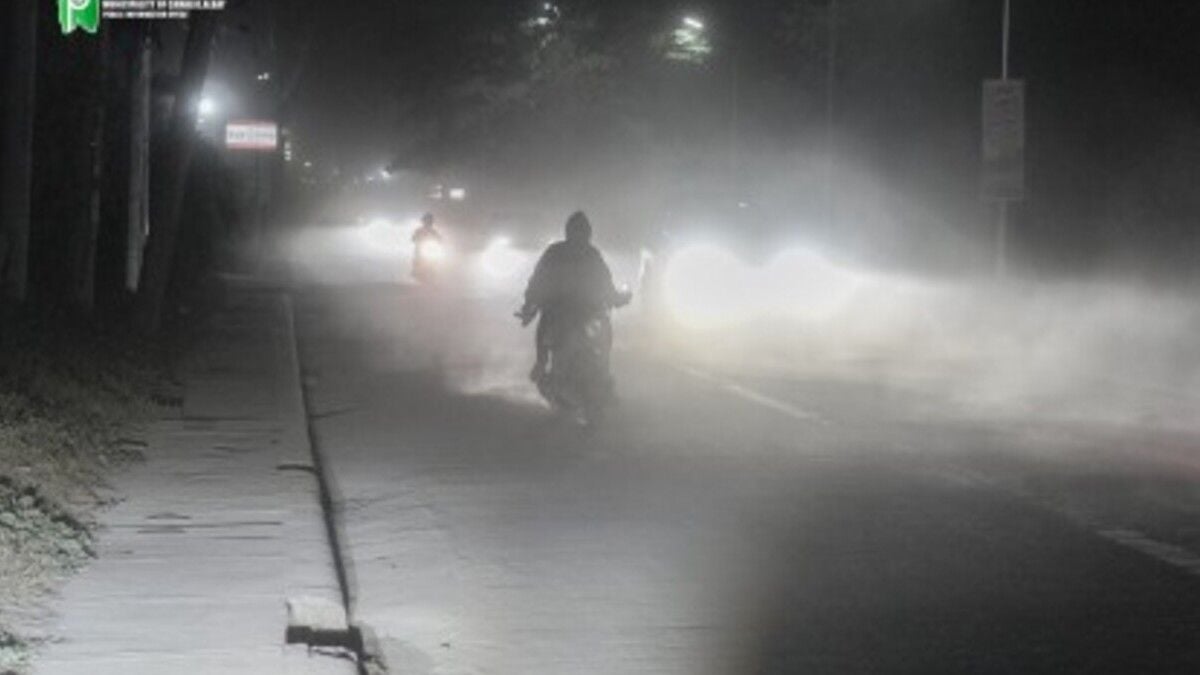
- More than 100,000 people across 87 villages have been affected by ashfall from Mayon Volcano.
- Water shortages and respiratory health risks are emerging as major concerns in affected areas.
- The government has launched a full emergency response, including a housing loan payment moratorium.

Heavy ashfall from the ongoing eruptive activity of Mayon Volcano has affected more than 100,000 people in the Bicol Region of the Philippines, prompting large-scale evacuations and straining local resources.
According to the Office of Civil Defense (OCD), a total of 102,406 individuals across 87 villages have been affected as of Monday morning. Of these, 5,440 are currently sheltering in evacuation centres, while others are receiving assistance outside formal facilities.
The volcanic activity intensified over the weekend, when a strombolian eruption was recorded, followed by continuous pyroclastic density currents and thick ashfall. At least 52 villages in Albay province were heavily affected, with communities in municipalities such as Guinobatan and Camalig among the hardest hit.
Local government units, supported by national agencies, have been providing ongoing assistance to displaced residents. Relief efforts include the distribution of food packs, face masks, and essential supplies, alongside the deployment of water trucks and filtration systems. Clearing operations are also under way to keep roads accessible.
Water shortages and health risks
In Albay, the volume of ashfall has placed significant pressure on water resources, particularly as authorities conduct extensive clean-up operations. In Guinobatan, officials reported that continuous flushing of ash has sharply increased water demand.
Water rationing has been implemented in at least 12 villages, while efforts to identify alternative water sources, including submersible pumps, are ongoing. Regional estimates indicate that Guinobatan alone requires approximately 15,000 litres of drinking water daily for more than 1,300 affected families.
Fire trucks from neighbouring provinces have been deployed to assist with water distribution. At the same time, the Department of Public Works and Highways is carrying out drainage clearing operations to prevent blockages that could lead to flooding during heavy rains.
Health authorities have raised concerns about respiratory risks linked to ash exposure. Residents have been advised to remain indoors, wear protective masks, and follow official safety advisories.
Coordinated emergency response
Malacañang said President Ferdinand R. Marcos Jr. has ordered a full government response to address the impact of the eruption. The directive includes the mobilisation of key agencies to ensure public safety, maintain access to essential services, and support affected communities.
Government agencies have also conducted on-site assessments to evaluate the situation. Local officials said these visits have helped convey first-hand information to national authorities regarding the scale of the disaster.
Mayon Volcano remains under Alert Level 3, indicating sustained unrest and the possibility of further eruptive activity.
Housing loan moratorium announced
As part of the government’s response, the Department of Human Settlements and Urban Development (DHSUD) has ordered a moratorium on housing loan amortisation payments for affected residents in Region 5.
DHSUD Secretary Jose Ramon Aliling said the Pag-IBIG Fund, Social Housing Finance Corporation, and National Housing Authority have been directed to implement the temporary suspension of monthly payments.
“In accordance with the directive of President Ferdinand R. Marcos Jr. to deliver all assistance to our countrymen affected by the eruption, our key shelter agencies will implement a moratorium on monthly amortisation for their housing loans,” Aliling said.
He added that the measure is intended to ease the burden on affected families so they can prioritise immediate needs during the crisis.
“This is the contribution of DHSUD and key shelter agencies to the whole-of-government response ordered by the President, so that affected residents will no longer have to worry about paying their amortisation,” he said.
The agencies concerned are expected to issue detailed guidelines on the scope and duration of the moratorium.