Halimah Yacob slams StanChart CEO over “lower-value human capital” remarks amid AI job cuts
Former Singapore president Halimah Yacob criticised Standard Chartered CEO Bill Winters for describing workers as “lower-value human capital” amid AI-driven job cuts, calling the remarks demeaning and urging companies to conduct retrenchments humanely.

- Halimah Yacob condemned Bill Winters’ “lower-value human capital” remarks as demeaning to workers.
- Standard Chartered plans to cut more than 7,000 support and back-office roles by 2030.
- Critics warned AI-driven retrenchments could damage morale and worsen insecurity among workers.

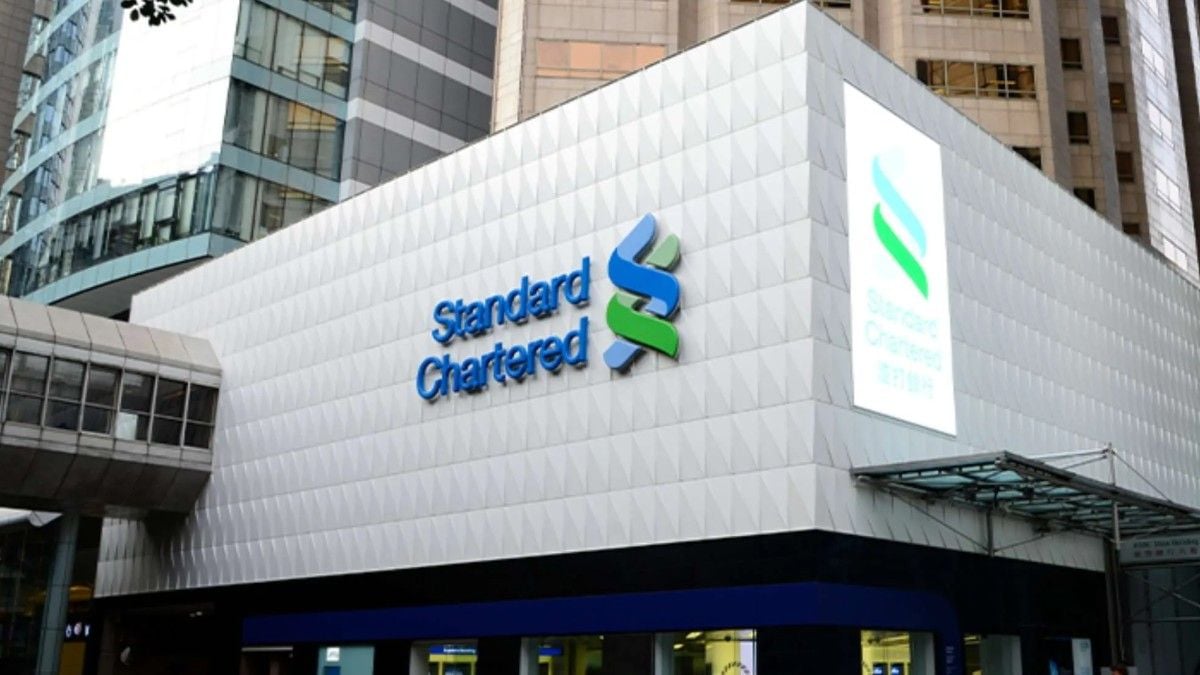
Former Singapore president Halimah Yacob has criticised Standard Chartered chief executive Bill Winters for describing employees as “lower-value human capital” while outlining the bank’s plans to accelerate artificial intelligence adoption and cut thousands of support roles globally.
In a Facebook post published on 19 May 2026, Halimah described the remarks as disturbing and demeaning, stressing that workers should be treated with dignity during retrenchments.
“Workers are human beings with families, not just a form of capital. They too have contributed to the bank and now because of AI have become redundant. It’s demeaning to describe them as ‘lower-value human capital’,” she wrote.
Halimah said workers facing retrenchment already confront uncertainty while searching for new employment, and argued such descriptions only worsen the emotional impact.
She added that comments reducing workers to “capital” could also damage morale among remaining employees.
“Imagine the morale of those who remain behind knowing that they are just another form of capital to their employer, who don’t really care about how they feel,” she said.
Calls for humane retrenchments
Halimah urged companies to carry out retrenchments humanely and with respect for workers affected by restructuring and automation.
Her comments came after Standard Chartered announced on 19 May plans to reduce more than 15 per cent of its corporate support workforce by 2030 as part of a broader technology-driven transformation strategy.
The cuts are expected to primarily affect back-office and support functions across the bank’s global operations.
Based on the bank’s June 2025 workforce data, the reduction could amount to more than 7,000 jobs from around 51,000 support-service positions within Standard Chartered’s total global workforce of approximately 80,000 employees.
The lender said its next phase of growth would be supported by a “simpler, faster and more connected operating model”, alongside broader deployment of automation, advanced analytics and artificial intelligence.
According to the bank, technology would be used to streamline processes, improve decision-making and enhance both client service and internal efficiency.
Winters defends AI strategy
Speaking during a press conference in Hong Kong, Winters insisted the restructuring was not simply aimed at reducing costs.
“It’s not cost-cutting. It’s replacing in some cases lower-value human capital with the financial capital and the investment capital we’re putting in,” Winters told reporters.
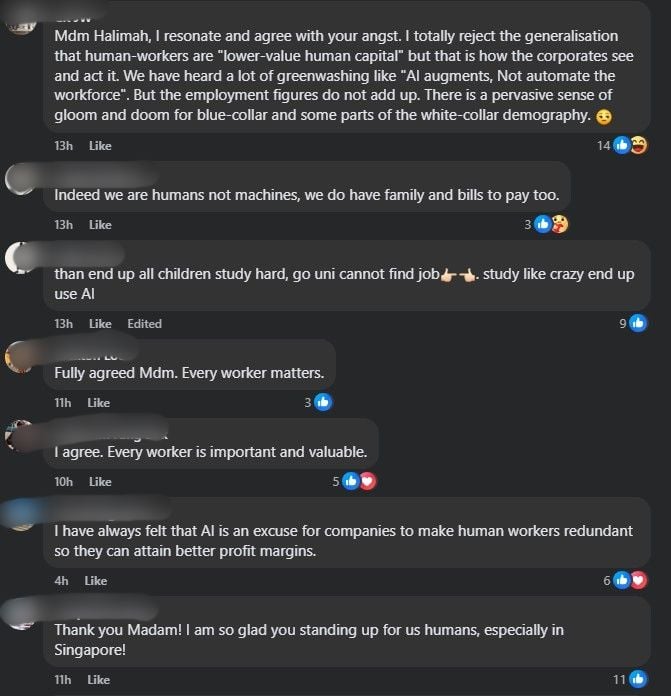
The remarks quickly drew criticism online, with many social media users arguing the language dehumanised workers who had contributed to the bank.
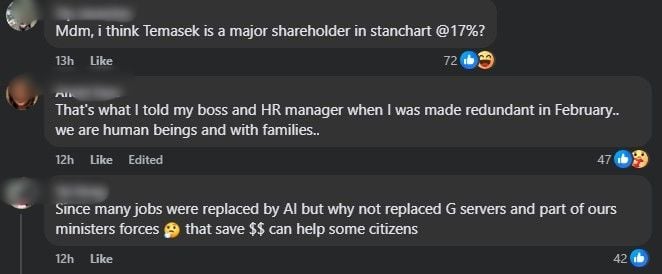
Some commenters shared personal experiences of retrenchment, saying employees should not be treated as disposable assets despite technological changes within companies.
Others said the wording reflected a broader corporate culture in which workers are viewed primarily through productivity and profit metrics.
Several commenters criticised what they described as “late-stage capitalism”, arguing companies increasingly prioritise shareholder returns, automation and efficiency over employee welfare.
Concerns over AI-driven layoffs
The controversy also intensified wider anxieties over artificial intelligence replacing human jobs across multiple industries.
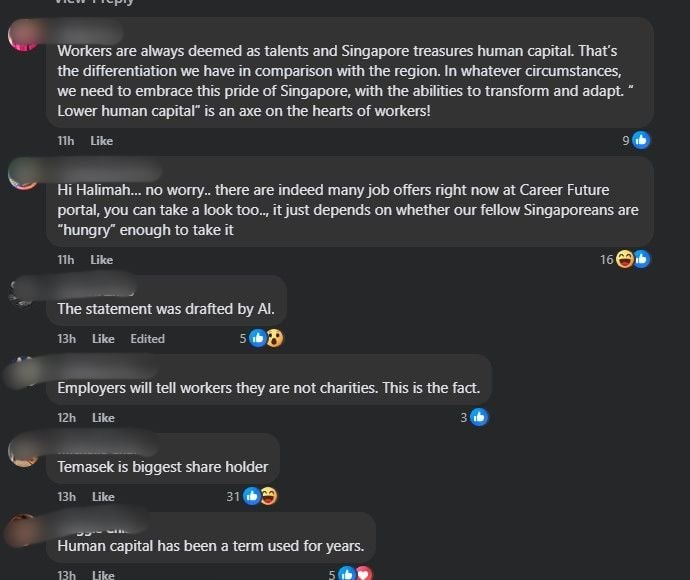
Some commenters expressed concern that younger generations and fresh graduates could face growing difficulties securing stable employment as companies automate more functions.
Others questioned repeated calls for workers to “reskill”, arguing that retrenchments continue despite employees adapting to changing workplace demands.
Several social media users called for stronger labour protections and greater safeguards against AI-related retrenchments.
Some also questioned whether governments, unions and large institutional shareholders were doing enough to protect workers affected by technological restructuring.
A number of critics suggested consumers should boycott the bank, while others questioned whether Temasek Holdings, a major shareholder in Standard Chartered, should respond publicly to the controversy.
As of 31 March 2025, Temasek reported holding a 17% stake in StanChart, with the position valued at S$47.2 billion.
LinkedIn backlash continues
The backlash continued on LinkedIn after Winters published a post defending the bank’s transformation strategy and highlighting its financial performance.
In the post, Winters said Standard Chartered had achieved its 2026 financial targets a year ahead of schedule and was now targeting around 18 per cent return on tangible equity by 2030.
He credited the performance to strong execution by employees and the bank’s “differentiated client proposition”.
Winters also said Standard Chartered would continue investing aggressively in growth, technology and digitalisation.
He highlighted the bank’s position in Asia, describing it as the region’s third-largest wealth manager and a major player in capital markets across its international network.
According to Winters, around two-thirds of the bank’s income during the first quarter of 2026 came from its global network business.
He said clients increasingly required banks capable of navigating a “more connected, more complex, more digital” financial environment.
Winters argued that deeper client relationships and the bank’s international network would support “higher-quality, more diversified and more sustainable growth” in the coming years.
Public figures criticise remarks
Despite those explanations, criticism over the “lower-value human capital” comments continued to intensify online.
Creative director M Yazid said artificial intelligence itself should not be blamed for the layoffs, arguing the decision ultimately reflected choices made by corporate leadership.
He warned the controversy risked damaging Standard Chartered’s public image and undermining years of corporate messaging centred on people and organisational values.
Columnist Chairul Fahmy described Winters’ remarks as “rude, derogatory, insulting and uncalled for”.
He argued the bank was not cutting jobs out of financial desperation, but instead pursuing higher shareholder returns despite already recording strong financial performance.
Chairul said the comments stripped workers of their humanity and overlooked the contributions made by thousands of employees in operational and support functions across Standard Chartered’s global network.