Inter IKEA to cut 850 jobs globally as retailer pushes lower prices amid weakening demand
Inter IKEA will cut around 850 jobs globally, including 300 roles in Sweden, as the company restructures to lower costs, simplify operations and reduce prices amid falling consumer confidence and weaker household spending.
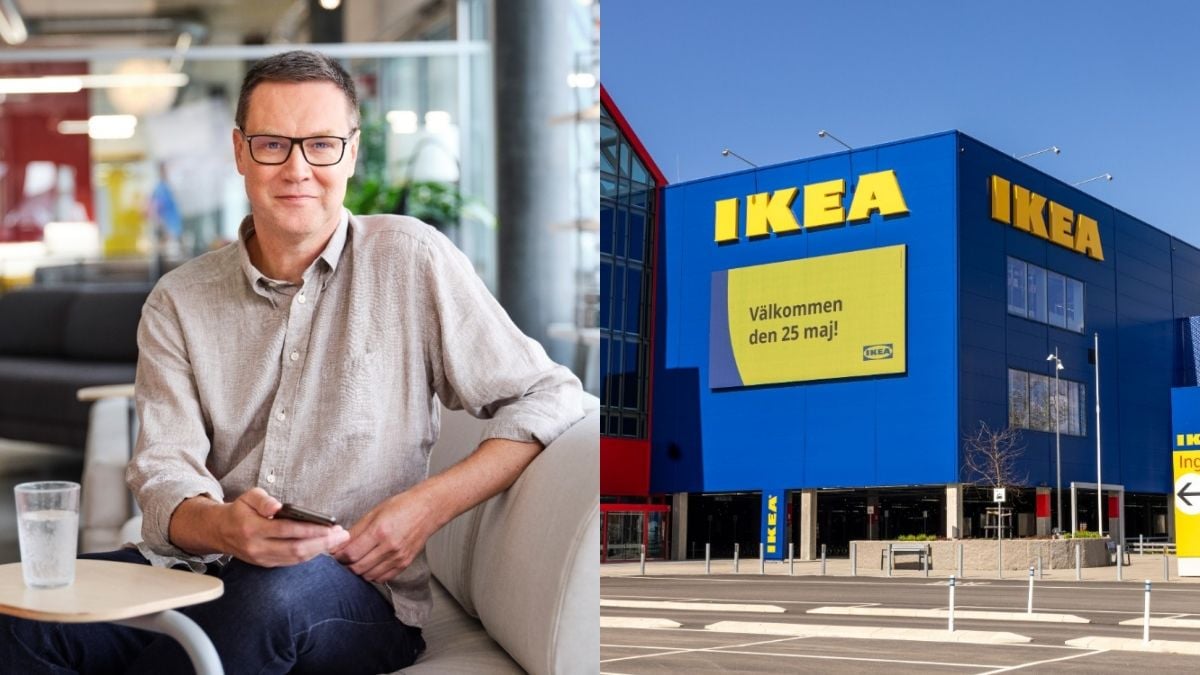
- Inter IKEA will reduce its workforce by about 850 positions globally as part of a restructuring programme.
- Around 300 affected roles are expected to be based in Sweden, where IKEA was founded in 1943.
- The company said weaker consumer confidence and rising costs are pressuring household spending on home furnishings.

Inter IKEA Group will cut around 850 jobs globally as the company seeks to lower costs, simplify operations and reduce prices amid weakening consumer demand and growing economic uncertainty.
The restructuring affects roughly 3 per cent of Inter IKEA’s 27,500 employees worldwide, with around 300 of the affected positions expected to be in Sweden. The company said the new organisational structure is expected to be implemented before the end of the calendar year.
Inter IKEA, which franchises the Swedish furniture retailer IKEA in 63 countries, manages product sourcing from factories around the world and supplies 13 franchisees operating IKEA stores globally.
The company said the layoffs form part of a broader strategy focused on three priorities: increasing sales growth, significantly reducing prices and boosting customer visits across IKEA retail formats.
Chief Financial Officer Henrik Elm said the company had become too complex in an increasingly demanding retail environment.
“Despite many positive achievements, Inter IKEA Group has grown a bit too complex and too fragmented in a retail environment that requires simplicity and speed,” Elm said in the company announcement.
The cuts come as IKEA faces mounting pressure from rising operational costs, geopolitical uncertainty and weaker household spending. The company has also been affected by United States tariffs and rising fuel prices linked to the conflict involving Iran, which has further weakened consumer confidence.
According to Reuters, Elm said declining consumer confidence had worsened due to the conflict and increasing pressure on disposable incomes.
“In times when consumer confidence is very much affected, the disposable incomes are really going down for many, especially the consumers we want to reach,” Elm said.
The company said affordability remained central to IKEA’s business model as customers reduce spending on non-essential purchases such as furniture upgrades and home renovations.
“Today, affordability is more relevant than ever. This is not new for IKEA. It is at the core of who we are. We need to focus on what matters most to customers,” Elm said.
He added that the company needed to move faster and streamline decision-making to remain competitive.
“With clear goals and fewer priorities, a more simplified organisation will enable faster decision-making, lower costs, improving our ability to offer lower prices for customers,” Elm said.
“Our ability to lower the prices so they can afford IKEA is more essential than ever before, and of course you can't achieve that if you have too high a cost base,” he added.
Inter IKEA said the restructuring aims to concentrate resources on areas most important to customers while strengthening the company’s long-term competitiveness.
The company described the decision as part of a broader transformation effort designed to adapt IKEA to a rapidly changing retail environment marked by economic and geopolitical instability.
In recent years, IKEA has expanded its global footprint, increased customer reach and continued investing in affordability despite growing challenges across the retail sector.
The retailer is also undergoing a strategic shift away from its traditional large suburban warehouse stores towards smaller city-centre locations aimed at attracting more frequent customer visits.
Inter IKEA said the simplified structure would help improve operational efficiency while supporting lower prices across its retail network.
“Decisions like these are never easy, and we are handling the process with care, respect, and transparency. Guided by our IKEA culture and values,” Elm said.
The company said IKEA continues to benefit from a strong global foundation built around its home furnishing range, integrated supply chain and longstanding brand recognition.
“IKEA has a solid foundation: a clear vision and business idea, a unique value chain, an inspiring home furnishing range, strong culture and values; assets that have made IKEA one of the world’s most beloved brands,” the company said.
The latest workforce reductions follow leadership changes across the IKEA group late last year after the retailer recorded its second consecutive year of declining sales.
Both Inter IKEA and Ingka Group, IKEA’s largest franchisee and owner of most IKEA stores worldwide, appointed new chief executives during the leadership transition.
Ingka Group separately announced plans in March to cut 800 office-based jobs as part of its own restructuring efforts.
The 300 planned job cuts in Sweden will largely affect operations linked to Almhult, the southern Swedish town where IKEA was founded in 1943 and where Inter IKEA maintains one of its principal hubs.
Inter IKEA said the restructuring is intended to create the “right pre-conditions” for future growth while maintaining the company’s longstanding focus on affordability.
By reducing complexity and concentrating resources on core priorities, the company said it aims to strengthen its ability to lower prices and remain accessible to consumers facing increasing financial pressure.