Human Rights Watch urges Indonesia to abandon shoot-on-sight anti-crime policies
Human Rights Watch has warned that Indonesia’s expanding anti-crime operations, including reported shoot-on-sight orders and military involvement in policing, risk unlawful killings and human rights abuses.
- Human Rights Watch warned shoot-on-sight policies risk unlawful use of force.
- Police anti-crime operations have led to hundreds of arrests and multiple fatal shootings.
- The rights group called for police reform and limits on military involvement in policing.

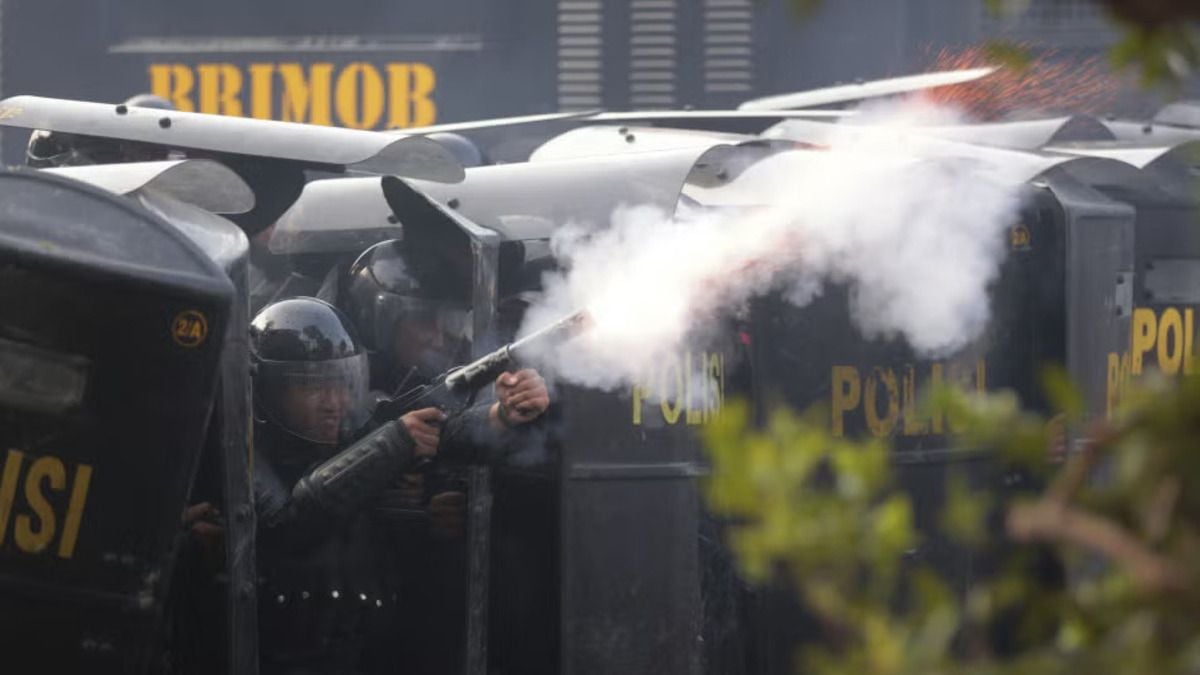
Human Rights Watch has called on Indonesian authorities to rescind new anti-street-crime policies, warning that shoot-on-sight orders against suspected motorcycle robbers risk leading to unlawful use of force by police and military personnel.
The New York-based rights group said Indonesian authorities should strictly limit the military’s role in civilian law enforcement and adopt long-promised reforms to the National Police Law. It said those reforms should strengthen accountability, improve oversight and help end police brutality.
The warning follows a series of security measures introduced after robberies by motorcycle assailants, known in Indonesia as begal, triggered public concern in several regions.
On 15 May, Polda Metro Jaya formed a “Tim Pemburu Begal”, or begal-hunting team, which officials said would operate around the clock in crime-prone areas of Jakarta and surrounding cities.
Director of General Criminal Investigation at Polda Metro Jaya, Kombes Pol Iman Imanuddin, said the team was prepared to respond rapidly to reports of violent street crime.
Antara reported that police planned to deploy the team in areas mapped as vulnerable to robberies, with officers drawn from police-sector, police-resort and criminal investigation units.
Human Rights Watch said similar measures had been announced in other areas, including Makassar in South Sulawesi, Lampung on Sumatra island and Bekasi in West Java. In those areas, police officials have issued or supported orders to shoot suspected robbers in certain circumstances.
“Indonesian leaders need to loudly and forcefully denounce any shoot-on-sight orders or other proposed excessive use of force,” Meenakshi Ganguly, deputy Asia director at Human Rights Watch, said.
“Lawmakers should promptly enact substantial reforms to police procedures that include proper oversight and accountability for any use of force.”
Since the crackdown began, Human Rights Watch said security forces had arrested hundreds of people, shot and killed two suspects each in Lampung and Binjai City in North Sumatra, and injured at least 50 people.
The rights group also cited Prabowo Pamungkas, director of the Legal Aid Institute, or LBH, in Bandar Lampung, as saying that “repressive practices appear to be intensifying” since Lampung’s shoot-on-sight policy was announced.
In Lampung, the policy followed the killing of Police Brigadier Arya Supena. DetikSumbagsel reported that Arya was shot dead on 9 May after trying to stop the theft of a motorcycle outside a bakery in Labuhan Ratu, Bandar Lampung. Police said one of the suspects, Bahroni, took Arya’s firearm during a struggle and shot him in the head.
Police later said two men were involved in the shooting. Lampung police chief Irjen Helfi Assegaf said one suspect, Hamli, was arrested first, while Bahroni was killed after an exchange of fire with police during an attempted arrest in Pesawaran. Police said they recovered a homemade revolver, sharp weapons and two stolen motorcycles.
Lampung police later announced that they had arrested 95 suspected street criminals between 13 May and 31 May. DetikSumbagsel reported that 15 of them were shot in what police described as “measured firm action”. Police said the suspects had actively resisted arrest using firearms or sharp weapons.
In the same report, police said officers had seized 410 pieces of evidence, including motorcycles, cars, mobile phones, homemade firearms, ammunition, sharp weapons and a grenade.
DetikSumbagsel also reported that two motorcycle-theft suspects in Lampung had been shot dead, including one suspect in Arya’s killing and another accused of pointing a firearm at officers during an arrest in Tulang Bawang.
A follow-up report on 12 May said two suspects armed with sharp weapons had been arrested after allegedly taking the student’s motorcycle.
In Makassar, DetikSulsel reported that police chief Kombes Arya Perdana ordered officers to shoot violent robbers or motorcycle gang members on sight if they threatened the lives of residents or police.
The order followed a 10 May attack in which a 13-year-old boy was attacked with a machete on Jalan Abu Bakar Lambogo. Police said five suspects had been arrested and two others were still being sought.
Arya said officers should shoot only when perpetrators posed a threat to life. “If they threaten the lives of police officers on duty, shoot on sight. That is my order. But if they do not threaten, then firm and measured efforts should be taken. It does not mean shooting immediately,” he said, according to DetikSulsel.
The Makassar order drew public debate. DetikSulsel reported that Ahmad Sahroni, deputy chairman of the House of Representatives’ Commission III, supported firm action against violent robbers, while Human Rights Minister Natalius Pigai opposed shoot-on-sight measures, particularly where they could result in deaths.
In Bekasi, SuaraBekaci reported that Polres Metro Bekasi had increased large-scale night patrols in Kabupaten Bekasi. Police chief Kombes Pol Sumarni said officers had been instructed to take firm and measured action against begal and other street criminals who endangered people’s lives.
Polda Metro Jaya has said its begal-hunting team operates under legal procedures. Antara reported that Iman Imanuddin said every action by team members was guided by regulations and that firm action was taken against suspects who used firearms and posed risks to officers or the public.
Antara also reported that by 22 May, Polda Metro Jaya said 38 suspects had been arrested directly by the begal-hunting team, while 135 others had faced law enforcement action by police units across the Polda Metro Jaya jurisdiction.
Police said they had seized 466 pieces of evidence, including mobile phones, motorcycles, firearms, ammunition and sharp weapons.
Human Rights Watch said the Indonesian government has a duty to ensure public safety but must do so while respecting the presumption of innocence, due process and the rule of law. The group said it was particularly concerned about the use of military personnel in civilian law enforcement.
The rights group said the Prabowo administration amended the National Armed Forces Act in March 2025, allowing active-duty military personnel to take civilian posts, including in the justice system and state-owned companies.
Critics said the amendment recalled dwi fungsi, or the military’s “dual function”, a doctrine central to the army’s political role during President Soeharto’s rule from 1965 to 1998.
Human Rights Watch also cited previous incidents involving security-force crackdowns. It referred to the 1982–1985 Penembakan Misterius, or Mystery Shootings, during which Indonesia’s army was responsible for an estimated 10,000 extrajudicial killings.
It also cited police operations before the 2018 Asian Games in Jakarta, when at least 15 suspected criminals were shot dead.
The Jakarta Post reported in July 2018 that police had shot 52 suspected criminals in the legs and killed 11 others during a security operation ahead of the Asian Games.
Another Jakarta Post report said Amnesty International and KontraS had demanded investigations after officers in Jakarta, South Sumatra and Lampung shot dead 15 suspected criminals and injured 41.
Human Rights Watch said Indonesia should ensure that any use of force in law enforcement complies with the United Nations Basic Principles on the Use of Force and Firearms by Law Enforcement Officials.
Those principles require officers to use non-violent means before resorting to force, and allow intentional lethal force only when strictly unavoidable to protect life.
The group said authorities should impartially investigate any unnecessary or excessive use of force and discipline or prosecute officers responsible.
“The Indonesian government has responsibilities to ensure public safety, but that includes presumption of innocence, due process, and the rule of law,” Ganguly said. “The government should not be deploying the military in civilian law enforcement and instead should support the police in conducting lawful investigations and appropriately prosecuting those responsible.”