SpaceX shares surge 19% in record-breaking $75 billion Nasdaq debut
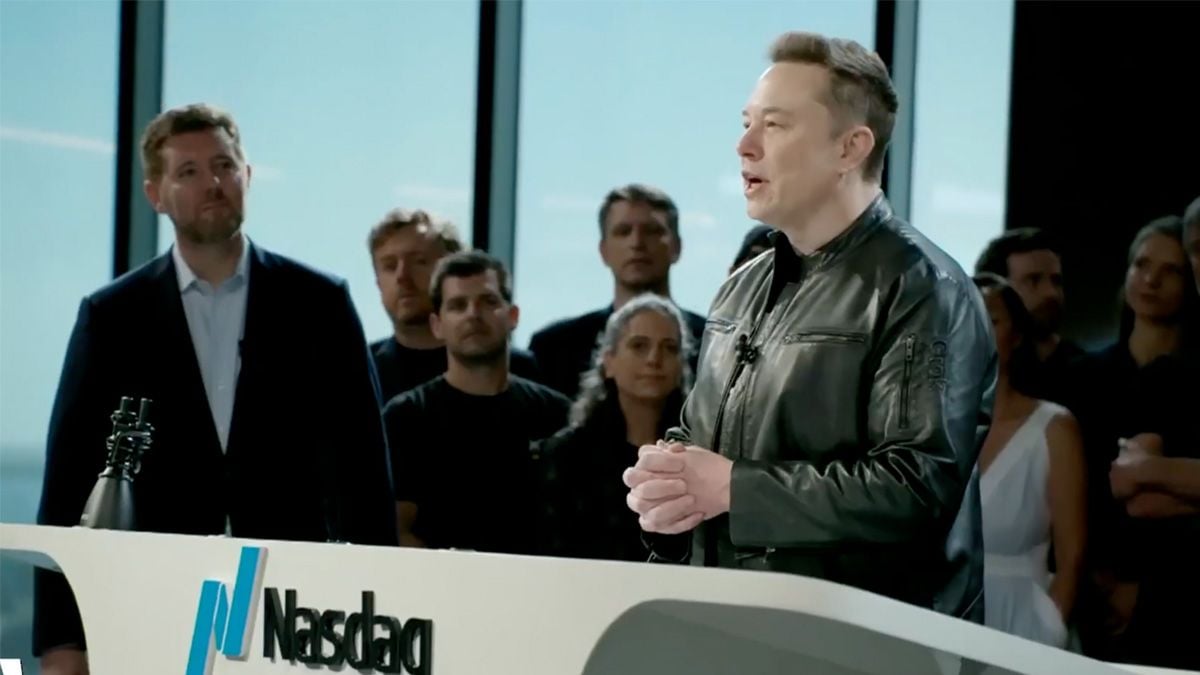
SpaceX shares jumped 19% to close at $160.95 on its Nasdaq debut on Friday, 12 June 2026, valuing the company at over $2 trillion and making Elon Musk the world's first trillionaire.
- SpaceX shares closed up 19% on Nasdaq debut, raising US$75 billion in record IPO.
- Elon Musk became the world's first trillionaire, based on his SpaceX and Tesla stakes.
- Analysts split on valuation, with some calling SpaceX's US$28.5 trillion market estimate unrealistic.

SpaceX shares surged 19 per cent on their Nasdaq debut on Friday, 12 June 2026, in what was the largest initial public offering in history, valuing the rocket and artificial intelligence company at more than US$2 trillion (S$2.7 trillion).
The stock, trading under the ticker SPCX, opened at US$150 a share, above the US$135 IPO price, and closed at US$160.95. It later climbed further in after-hours trading, adding roughly US$80 billion more to its market capitalisation, according to CNBC.
The session's high was US$176.52. More than 500 million shares changed hands during regular trading, a figure CNBC reported was approaching Facebook's first-day volume of around 580 million shares in 2012.
Musk and SpaceX trillionaire status
The surge pushed the net worth of SpaceX founder and chief executive Elon Musk past US$1 trillion, based on his combined stakes in SpaceX and Tesla, according to Bloomberg calculations cited by the BBC.
Musk's trillionaire status depends on SpaceX's share price remaining elevated. The BBC reported that if the stock falls below US$138, Musk would revert to being a multi-billionaire. He is also barred from selling his SpaceX shares for 366 days.
Speaking on a JPMorgan Chase livestream ahead of the listing, Musk said SpaceX had been cash-flow positive since around 2015, according to CNBC. He said the company wanted to raise capital for a significant growth phase, including plans for more than 100,000 satellites in orbit and artificial intelligence data centres in space.
Despite its scale, SpaceX has accumulated total losses of US$41.3 billion since its founding in 2002, according to its prospectus cited by CNBC. Its rocket business posted a US$657 million operating loss on US$4.1 billion of revenue in 2025, the BBC reported, much of which came from SpaceX launching its own Starlink satellites.
Starlink, the company's satellite internet division, remains its only profitable business segment, according to CNBC.
Market reaction and retail investor demand
The listing drew unprecedented retail investor interest. According to Citadel Securities, cited by CNBC, SpaceX recorded the highest IPO auction order activity ever among retail investors, with retail turnover reaching US$453 million on the first day.
Nasdaq president Nelson Griggs told CNBC that roughly US$15 billion of the total raise came from retail investors, an allocation he described as "larger than most IPOs."
However, many individual investors received only a fraction of the shares they had requested. Retail investor Marvin Jung told CNBC he had requested 1,000 shares through Robinhood but was allocated just 17.
Robinhood reported record traffic during early trading, with some customers experiencing latency issues, a company spokesperson told CNBC.
Tesla shares fell around 2 per cent on Friday as investor attention shifted to SpaceX, according to the BBC. Other space-sector stocks also declined, with Firefly Aerospace sinking more than 18 per cent and Virgin Galactic plunging 34 per cent, CNBC reported.
Valuation scepticism
Some analysts questioned whether SpaceX's valuation is justified by its financial performance. Keith Snyder, a senior analyst at CFRA Research, told CNBC he remained sceptical that SpaceX was worth US$1.77 trillion at its IPO valuation, assigning the stock a sell rating and a 12-month price target of US$115.
New York University finance professor Aswath Damodaran told CNBC that SpaceX's claimed total addressable market of US$28.5 trillion appeared to be "a hallucination," adding that he would "be embarrassed to even put that number out."
By contrast, Altimeter Capital chief executive Brad Gerstner told CNBC that while SpaceX's IPO valuation was not "a get-rich-quick scheme," the company was positioned to deliver competitive returns over time. He predicted SpaceX would become the largest AI hyperscaler in the United States within a few years.
Sequoia Capital partner Shaun Maguire compared SpaceX's current position to Nvidia three years ago, telling CNBC he intends to hold his shares "forever."
Wealth inequality debate
The IPO reignited debate over wealth inequality. US senator Elizabeth Warren wrote on X that the typical American household would need more than 11 million years to accumulate Musk's level of wealth, calling for a wealth tax, according to CNBC.
New York City mayor Zohran Mamdani also wrote on X that the milestone was a reason to "tax the rich," CNBC reported.
UK-based charity Oxfam said Musk's wealth now exceeds that of the poorest 3.8 billion people globally, or 46 per cent of the world's population, according to the BBC. Oxfam's chief influencing officer, Jean Mclean, described the milestone as "a dark day for global democracy."
Business operations and AI ambitions
SpaceX's businesses span rocket launches, the Starlink satellite network, the Starshield defence communications unit, and its xAI artificial intelligence division, which includes the Grok chatbot and the social media platform X, according to CNN.
SpaceX acquired xAI in February 2026. The company's filings disclosed a US$3.8 billion impairment charge related to the renaming of Twitter to X, CNN reported.
SpaceX also holds an option to acquire AI coding startup Cursor for US$60 billion this year, or pay US$10 billion to exit the agreement, according to CNBC. Morningstar analyst Nicolas Owens described the arrangement as an example of SpaceX using "optionality" in its capital deployment.
In its prospectus, SpaceX said it was developing, together with Tesla, an "agentic AI platform" called Macrohard, designed to emulate digital workflows and automate business processes using autonomous agents, CNBC reported.
Background and IPO structure
The IPO surpassed the previous record held by Saudi Aramco, which raised US$25.6 billion when it went public in 2019, according to the BBC.
Investment banks earned a combined US$500 million in fees from the deal, with Goldman Sachs and Morgan Stanley each reportedly receiving US$100 million, the BBC reported.
The listing is expected to create more than 4,000 millionaires among current and former SpaceX employees, with around 400 projected to hold stakes worth US$100 million or more, according to the BBC.
Following the listing, Alphabet's roughly 4.9 per cent stake in SpaceX was valued at approximately US$105 billion, according to CNBC, though the company faces lock-up restrictions and potential tax implications before it can sell.