Israel strikes south Lebanon as US-Iran deal nears that includes Lebanon ceasefire
Israeli air strikes hit Nabatieh-area villages on 13 June 2026 after evacuation warnings for 20 locations, even as a US-brokered deal nears that would extend Lebanon's ceasefire by 60 days.
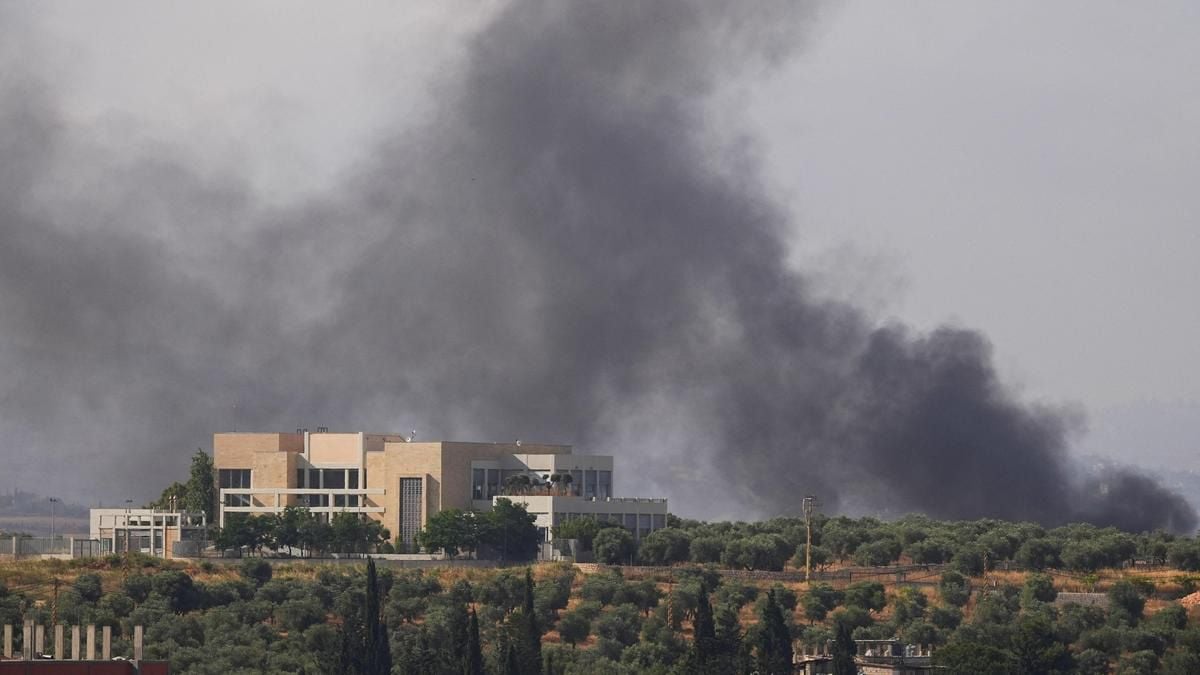
- Israeli strikes hit south Lebanon on 13 June after evacuation warnings for 20 areas.
- US-Iran deal reportedly includes a 60-day extension of Lebanon's ceasefire.
- Hezbollah and Lebanese leaders remain divided over how to respond to the talks.

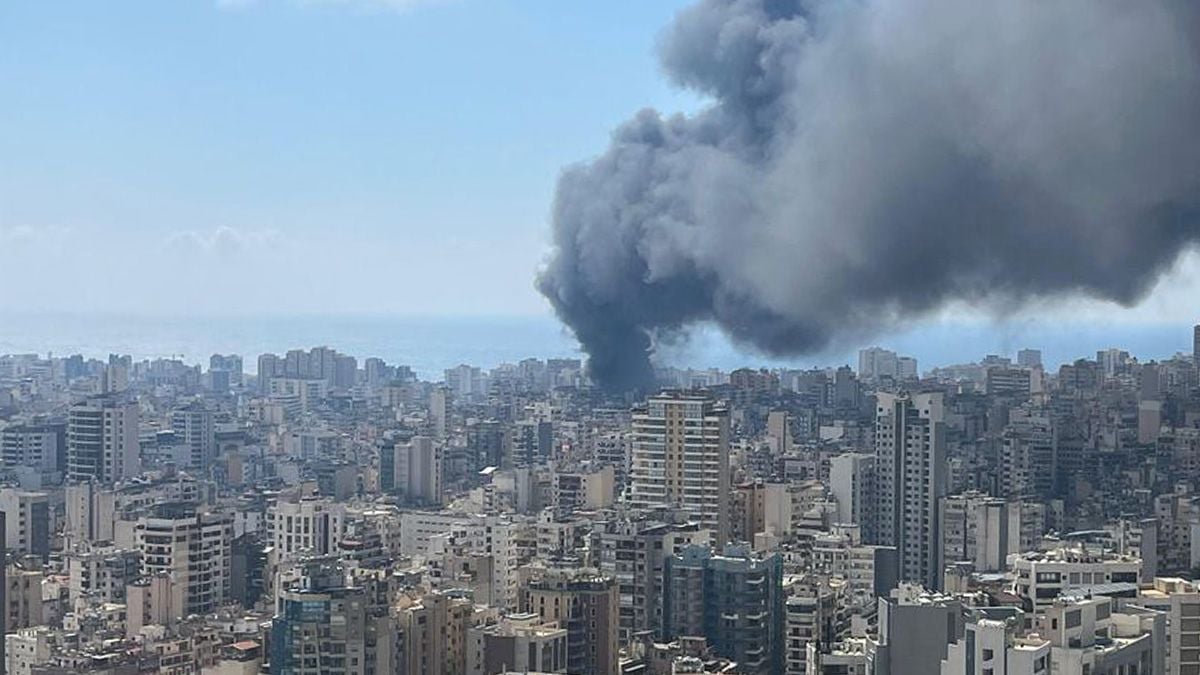
Israeli air strikes hit several locations in southern Lebanon on 13 June 2026, shortly after the Israeli army issued evacuation warnings for 20 areas, including the city of Nabatieh, ahead of planned raids. The strikes came as the United States and Iran moved closer to a deal that, according to reports, would extend Lebanon's ceasefire by 60 days.
Lebanon's state-run National News Agency (NNA) reported that Israeli air strikes hit several areas covered by the warning, including the villages of Rihan and Sujud, near Nabatieh. The Israeli army's warning urged residents to evacuate their homes immediately and move north of the Zahrani River, around 45 kilometres from the southern border with Israel.
The Israeli military declared all areas south of the Zahrani River "combat zones" in May 2026, and has continued striking the area since. NNA reported explosions and artillery shelling near the Ali Taher hills overlooking Nabatieh late on 12 June.
On 12 June, Hezbollah said its fighters had confronted Israeli forces advancing towards the town of Majdal Zoun. Hezbollah has continued attacks on Israeli troops it says have invaded south Lebanon since the conflict escalated in early March 2026.
Israel and Hezbollah have been at war since early March 2026, when Hezbollah drew Lebanon into the wider Middle East conflict by firing rockets at Israel, in what the group described as retaliation for the killing of Iran's supreme leader in earlier US-Israeli strikes. Israel responded with air strikes and a ground invasion that Lebanese authorities say has killed more than 3,700 people in Lebanon.
Neither Israel nor Hezbollah has observed an April 2026 ceasefire. A conditional truce announced in June, following a fourth round of direct Lebanese-Israeli negotiations in Washington, has also failed to halt the fighting. Hezbollah has rejected both the direct talks and the conditional agreement, which requires it to cease attacks but does not address Israeli withdrawal.
The strikes come as the US and Iran near what would be called the Islamabad Agreement, a memorandum of understanding reportedly reached on 10 June 2026 between Iranian Foreign Minister Abbas Araghchi and Qatari mediator Ali Al-Thawadi, following calls with US envoys Steve Witkoff and Jared Kushner.
According to Axios, the agreement would extend the existing ceasefire by 60 days, including in Lebanon, alongside the immediate reopening of the Strait of Hormuz.
A senior US official said on 12 June that any peace deal with Iran "includes Lebanon." However, the agreement's status remains unsettled. Two sources told Axios that, as of Thursday evening, the deal had been approved at high levels on the Iranian side but likely not yet by Supreme Leader Mojtaba Khamenei.
Iran insists Lebanon must be part of any agreement ending the wider conflict, but Lebanon's leaders have accused Tehran of treating the country as a "bargaining chip." Hezbollah lawmaker Ali Fayyad said on 13 June that Lebanon should use any deal that includes the country to its advantage, while arguing the state "must abandon the policy of being crushed in the face of the Israelis and submission to the Americans."
Lebanese President Joseph Aoun said in a statement on social media platform X on 13 June that Lebanon faces "a fateful test," describing a choice between uniting around a sovereign state that "monopolises weapons" and "remains hostage to the logic of militias."
The proposed Lebanon ceasefire clause has also drawn concern from Israeli officials, according to Axios, who fear it could limit their freedom of operation against Hezbollah and require consultation before strikes. A senior US official acknowledged this concern on 12 June, while saying Washington expects all parties, including Hezbollah and Iran, to uphold their side of any agreement.
With both the Iranian leadership's approval and the operational details of any Lebanon ceasefire still unresolved, continued Israeli strikes and Hezbollah's confrontations on the ground suggest the conflict's trajectory remains, for now, independent of the diplomatic timeline in Geneva.