Israel reports second suspected Ebola case after traveller returns from DR Congo
Israeli health authorities have isolated a second man suspected of Ebola after he recently returned from the Democratic Republic of the Congo, while officials stress that no confirmed cases have been detected and contact tracing is underway.
- Israel has isolated a second suspected Ebola patient following recent travel from the Democratic Republic of the Congo.
- Health authorities say no confirmed Ebola cases have been identified in Israel.
- Officials are investigating possible links between the two suspected cases and tracing potential contacts.

Israeli health authorities said on Sunday, 21 June 2026, that a second man suspected of Ebola had been hospitalised in isolation after recently returning from the Democratic Republic of the Congo (DRC), as officials stressed that no confirmed cases of the disease have been identified in the country.
The Israeli Ministry of Health said the man sought medical treatment after developing symptoms including fever, headache and diarrhoea. He was transferred to Sheba Medical Center near Tel Aviv, where laboratory tests are being conducted in accordance with established medical protocols.
"A series of laboratory tests is being conducted in accordance with established professional protocols in Israel and around the world," the ministry said in a statement, adding that the investigation was expected to take approximately 48 hours due to clinical considerations.
"At this stage, this is only a suspected case, and no confirmed case of Ebola has been diagnosed in Israel."
Second suspected case within days
The announcement came two days after health authorities reported another suspected Ebola case involving a man who had returned from the DRC the previous day. He was transferred to Rambam Health Care Campus in Haifa for isolation and testing.
"He is being treated in isolation in accordance with professional protocols and the preparedness measures that have been put in place, while an epidemiological investigation is being conducted to identify contacts," the ministry said regarding the first patient.
Authorities said they were examining possible links between the two suspected cases while carrying out epidemiological investigations to identify relevant contacts.
The ministry said it would contact directly anyone considered at risk.
"Anyone who does not receive a communication from the Ministry of Health is not required to take any action at this time," it said.
Health measures and public advice
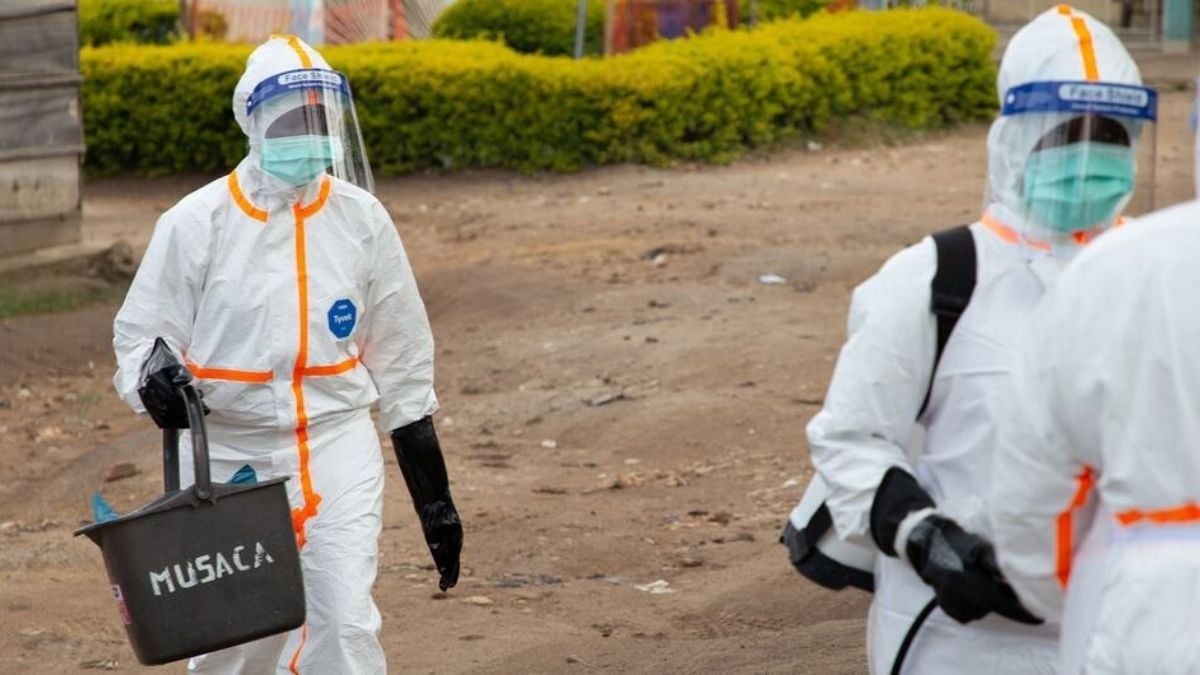
The Ministry of Health reiterated that Ebola is not transmitted through the air and that infection occurs through direct contact with a symptomatic person or with blood, bodily fluids or other secretions.
The ministry said it has distributed personal protective equipment to medical centres, established early identification mechanisms for travellers returning from affected areas, and set up a laboratory system capable of identifying Ebola infections.
It also urged the public to avoid non-essential travel to areas experiencing active Ebola transmission, particularly the DRC and Uganda, and advised travellers to seek consultation at travel clinics before departure.
Israel's health authorities have been preparing for the possibility of treating Ebola patients since an outbreak was first reported in the DRC on 15 May 2026.
According to the Ministry of Health, Israel has never recorded a confirmed Ebola case, although several suspected infections during the 2014 outbreak were later ruled out.
Regional outbreak
The current Ebola outbreak in the DRC and Uganda has killed more than 200 people, according to the Africa Centres for Disease Control and Prevention.
The agency has reported 894 confirmed infections, while approximately 35,000 additional people are considered potential contacts.
The outbreak involves the rare Bundibugyo strain of Ebola, for which there is currently no approved vaccine or specific treatment.
The Israeli Ministry of Health said it would continue monitoring the situation and provide updates as necessary.