2 Singaporeans issued ISA orders over radicalisation triggered by Gaza war: ISD
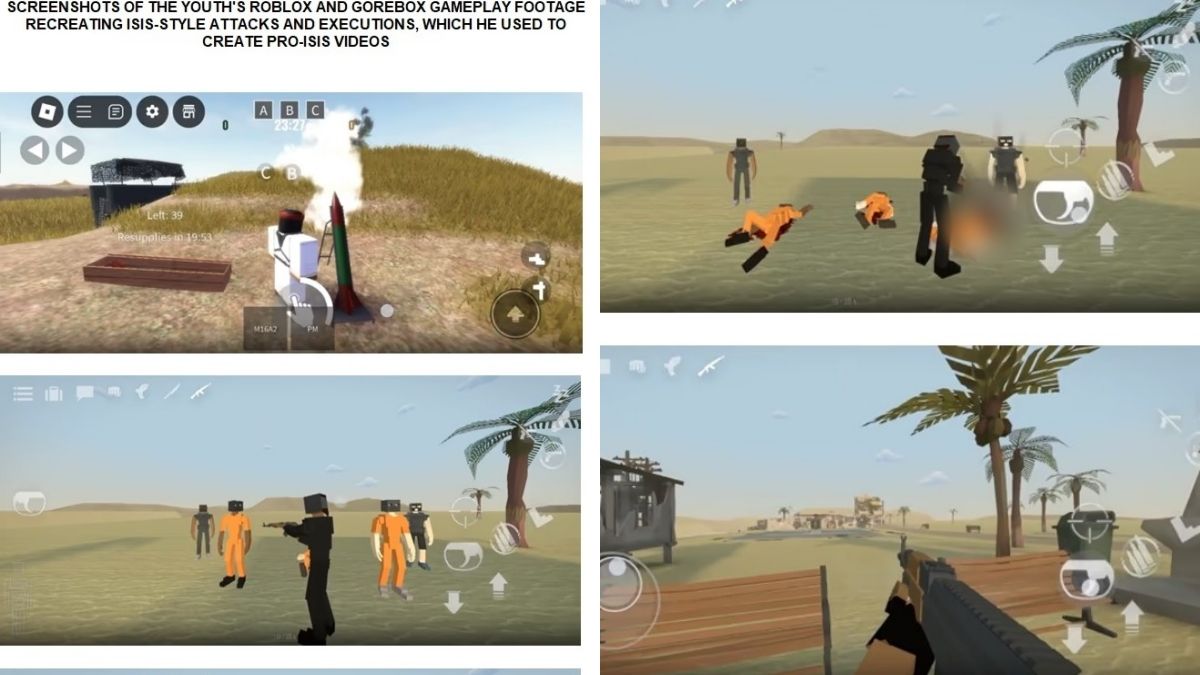
A 19-year-old student who embraced a mix of Islamist extremist, anti-Semitic and incel beliefs was issued an ISA restriction order, while a 30-year-old Hamas supporter was detained after expressing willingness to conduct attacks if instructed. Both cases were linked to the Gaza conflict.
- Two Singaporeans were dealt with under the Internal Security Act over radicalisation linked to the Gaza conflict, ISD said.
- A student was issued a Restriction Order after embracing multiple extremist ideologies and glorifying violence online.
- A customer service officer was detained after expressing support for Hamas and willingness to conduct attacks if instructed.

SINGAPORE: A 19-year-old student who embraced a mixture of Islamist extremist, anti-Semitic and incel beliefs, and a 30-year-old Hamas supporter willing to conduct attacks if directed, have become the latest Singaporeans dealt with under the Internal Security Act (ISA).
The Internal Security Department (ISD) announced on 24 June that Cyrus Dzulqarnain Al-Shahriar was issued with a Restriction Order, while customer service officer Tarmizi Mohd Taha was issued with an Order of Detention.
Although the two cases were unrelated, ISD said both individuals were radicalised following developments linked to the Israeli-Palestinian conflict. They are the seventh and eighth Singaporeans dealt with under the ISA whose radicalisation was triggered by that conflict.
ISD: Student embraced multiple extremist ideologies
According to ISD, Cyrus became interested in learning more about Islam in 2022 and joined several online religious groups.
During this period, he was exposed to anti-Western and anti-LGBTQ content. His online activities eventually included posts that incited violence against members of the LGBTQ community.
Following the outbreak of the Gaza war in late 2023, Cyrus encountered pro-Hamas narratives online and came to support Hamas' killing of civilians, which he viewed as a form of jihad.
In 2024, he considered travelling to Gaza to join Hamas and fight against Israelis. However, he abandoned the idea because he lacked the resources to travel overseas and was apprehensive about engaging in physical violence.
ISD said Cyrus later came into contact with a niche online Islamist extremist group that subscribed to violent accelerationist ideology.
The group's supporters believed widespread violence and chaos were necessary to destroy the existing global order and pave the way for Islam to become the dominant civilisation worldwide.
They regarded developed countries, including Singapore, as extensions of the United States and believed they were controlled by Zionist interests.
Online activities raised security concerns
After joining the group's private online chat channels in early 2025, Cyrus began glorifying major terrorist attacks.
Among the attacks he praised were Al-Qaeda's 11 September 2001 attacks in the United States, which killed more than 2,900 people, and the 2002 Bali bombings, which killed more than 200 people.
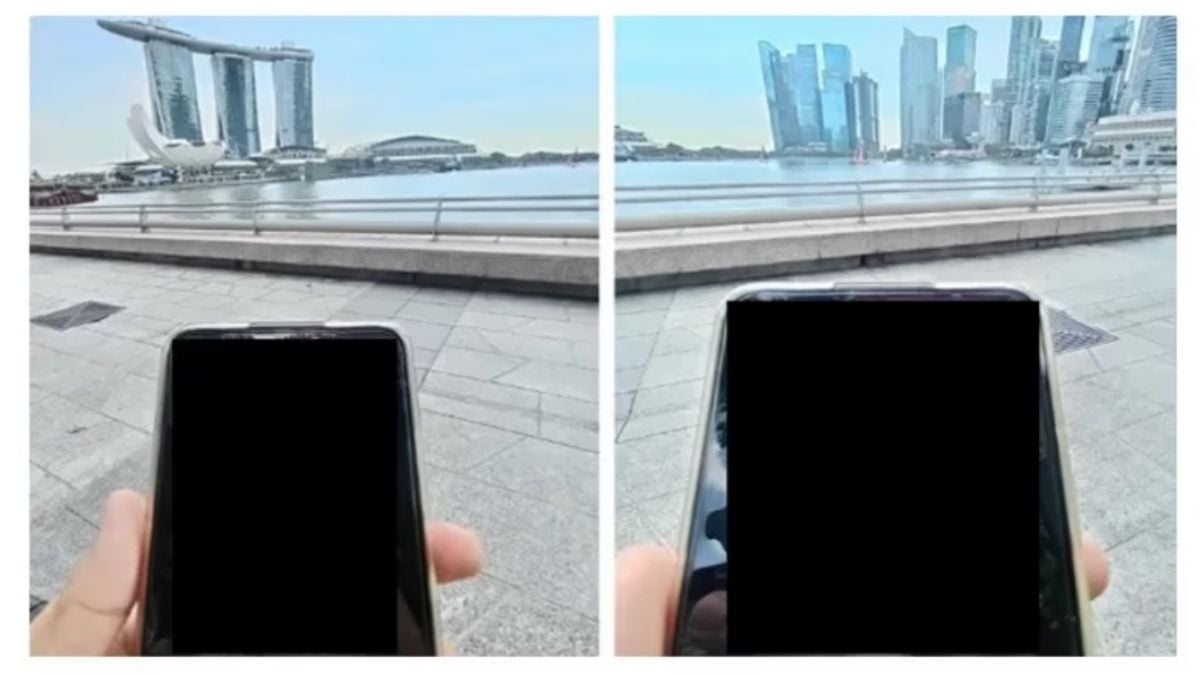
At the request of another member of the extremist group, Cyrus visited the Esplanade area on two occasions to take photographs of the group's electronic publication displayed on his smartphone, with Marina Bay Sands visible in the background.
He later posted the photographs publicly on social media in November 2025 as a pledge of allegiance to the group and considered himself one of its members.
ISD said Cyrus viewed participation in the group's so-called "digital jihad" as a personal responsibility.
His activities included harassing individuals he perceived as anti-Islam, spreading false information to defame them and posting content encouraging violence.
He also published material glorifying Hamas and Hay'at Tahrir al-Sham, a Syrian Islamist political and militant organisation.
A member of the public who came across his anti-Semitic and pro-Hamas posts alerted ISD to his activities.
Incel beliefs added to radicalisation
Investigations found that Cyrus' radicalisation extended beyond Islamist extremist beliefs.
In 2025, he encountered online material relating to Elliot Rodger, whose 2014 killings near the University of California, Santa Barbara became a rallying point for some members of the online incel movement.
After exploring incel forums, Cyrus began identifying as an incel, or involuntary celibate.
He subsequently posted threats online about killing or raping women and used derogatory language directed at females.
ISD said he also fantasised about carrying out violence against groups of people at school, including LGBTQ individuals and couples in romantic relationships.
Authorities nevertheless assessed that his violent thoughts remained at the level of ideation and did not progress into operational planning.
ISD said Cyrus did not share his extremist beliefs or violent fantasies with family members or schoolmates.
"While Cyrus did not take preparatory steps to execute his violent ideations, his support for terrorist and extremist groups, and his online postings inciting violence against others, are of security concern," the department said.
The agency added that he would undergo a rehabilitation programme aimed at addressing his radical beliefs.
Second ISA case involved Hamas supporter
The second case announced by ISD involved Tarmizi Mohd Taha, a 30-year-old customer service officer.
According to ISD, Tarmizi became deeply radicalised by pro-Hamas narratives circulating online after the outbreak of the Gaza war.
He believed joining Hamas would allow him to achieve martyrdom and wanted to contribute skills acquired during National Service to the organisation.
Investigations found that he intended to travel to Palestinian territories to establish contact with Hamas members and personally pledge allegiance to the group.
Tarmizi admitted he would be prepared to engage in armed combat against Israel if instructed by Hamas.
He also stated he would be willing to carry out attacks in Singapore should the group direct him to do so.
ISD assessed that his willingness to undertake violence and his commitment to Hamas represented an imminent security threat requiring preventive detention under the ISA.
Warning over evolving radicalisation trends
ISD said the Cyrus case was only the second known instance in Singapore involving so-called "salad bar" radicalisation, where an individual simultaneously adopts multiple extremist ideologies that may appear contradictory.
Authorities noted that Cyrus combined Islamist extremist beliefs with anti-Semitic narratives and incel ideology, illustrating how individuals can be influenced by diverse online extremist ecosystems.
The department said both cases underscored the dangers posed by online radicalisation, where individuals can rapidly consume extremist propaganda, reinforce their beliefs through private online communities and become desensitised to violence.
ISD reiterated the importance of public vigilance and early reporting of individuals displaying signs of radicalisation.
The department said members of the public should remain alert to warning signs such as expressions of support for terrorist groups, advocacy of violence and the sharing of extremist content online.