Death toll reaches 188 after twin earthquakes devastate northern Venezuela
At least 188 people have been confirmed dead after two powerful earthquakes struck northern Venezuela within 40 seconds, flattening communities, crippling infrastructure and triggering an international humanitarian response.
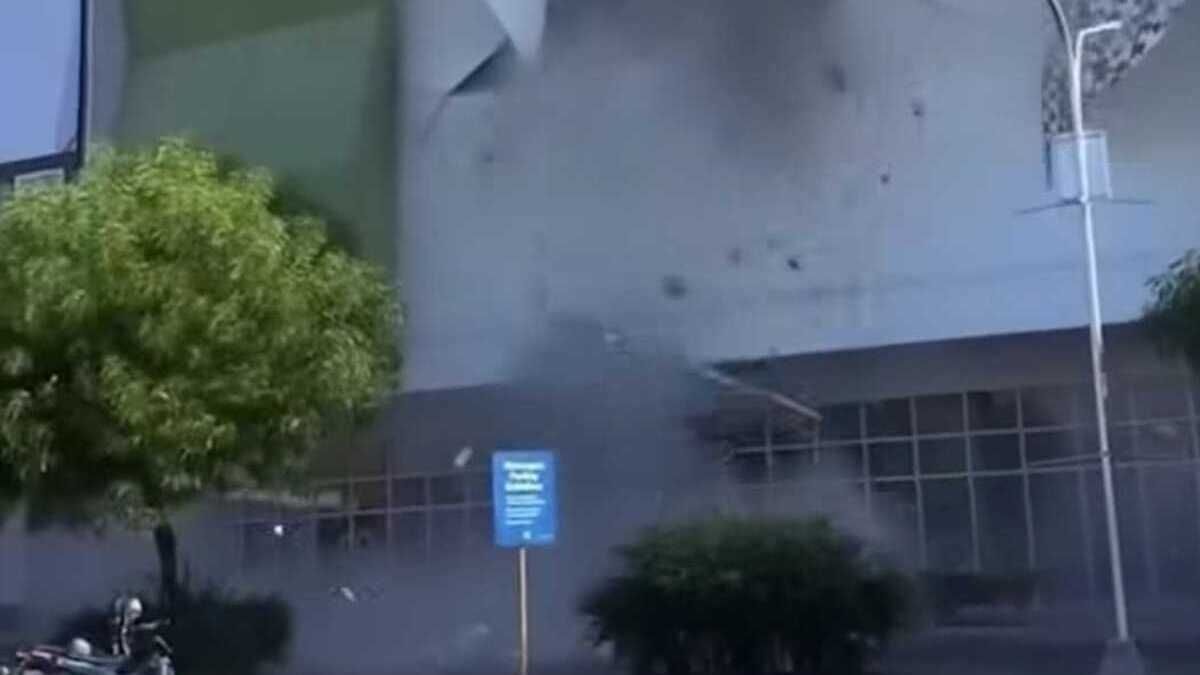
- At least 188 people have been confirmed dead after two powerful earthquakes struck northern Venezuela 39 seconds apart.
- Authorities expect fatalities to rise as rescue teams continue searching devastated communities.
- The United Nations has begun coordinating international assistance while aftershocks threaten rescue operations.

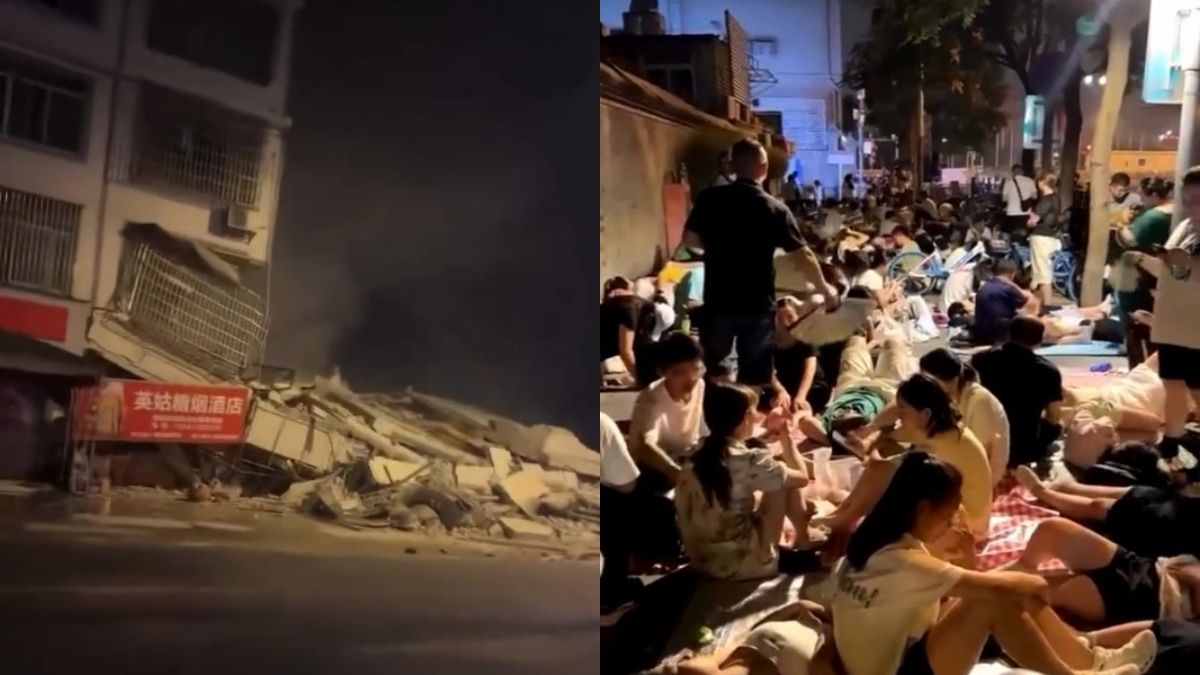
At least 188 people have been confirmed dead and hundreds more injured after two powerful earthquakes struck northern Venezuela less than 40 seconds apart on Wednesday evening, causing widespread destruction across several major population centres and prompting an international emergency response.
According to Venezuelan authorities, the first earthquake, measuring magnitude 7.2, struck at 6:05 p.m. local time. Its epicentre was located between the towns of Yumare and Montalbán in north-western Venezuela. Thirty-nine seconds later, a second and stronger earthquake measuring magnitude 7.5 struck close to the first epicentre.
Although the difference in magnitude appeared small, seismologists noted that earthquake magnitude is measured on a logarithmic scale, meaning the second tremor released nearly three times more energy than the first.
Acting President Delcy Rodríguez said the confirmed death toll had reached 188. However, officials warned that the number was expected to rise as rescue teams continued searching damaged communities.
The United States Geological Survey (USGS) estimates that fatalities could ultimately exceed 1,000, with a 92 per cent probability. The agency also assessed a 59 per cent likelihood that the death toll could surpass 10,000. Casualty estimates ranging between 10,000 and 100,000 remain possible, according to the agency’s automated hazard assessment system.
The USGS further warned of significant secondary hazards, including landslides and liquefaction, a phenomenon in which saturated soil loses strength during seismic shaking, potentially causing buildings to sink or collapse. Economic losses are estimated to be between US$10 billion and US$100 billion.
The earthquakes struck at shallow depths of approximately 20 kilometres and 10 kilometres respectively, increasing their destructive potential. Seismologists said the two events occurred along the Boconó Fault, one of Venezuela’s most active fault systems.
Northern Venezuela lies near the boundary between the Caribbean and South American tectonic plates, which move in opposing directions and generate significant seismic stress. According to the Venezuelan Foundation for Seismological Research, around 80 per cent of the country's population lives in areas exposed to high seismic risk.
The strongest shaking was recorded in several densely populated urban areas. Puerto Cabello, home to more than 209,000 residents, experienced Modified Mercalli Intensity (MMI) levels of 8.0. Catia La Mar, with a population exceeding 660,000, recorded intensity levels of 7.9.
The capital, Caracas, where more than 2.2 million people live, experienced shaking measured at intensity 6.8. Other heavily affected cities included Valencia, San Felipe, La Guaira and Los Teques.
Residents described scenes of devastation in coastal communities.
José Rolón, a resident of La Guaira, told Spanish television that the area had suffered a “total collapse”.
“There’s no electricity, internet, water — no services at all,” he said.
Rolón said only people with access to satellite phones were able to communicate with the outside world. He described extensive destruction across the city.
“The buildings that were there are gone, it’s as if there had been an explosion or a controlled demolition. There isn’t a single building standing,” he said.
Reports indicated that similar scenes were unfolding in Caraballeda, where numerous structures were heavily damaged.
The earthquakes are the strongest recorded in the region for more than a century. To find a larger earthquake in northern Venezuela, seismologists point to the 1900 earthquake, which measured magnitude 7.7 and struck the central coast near Macuto, killing approximately 25 people.
A magnitude 7.3 earthquake in 2018 was nearly as powerful but originated at a depth of almost 150 kilometres, limiting surface damage and resulting in only five deaths.
The most destructive modern earthquake in the wider area before this week's disaster was the 1967 Caracas earthquake, which measured magnitude 6.6 and caused around 240 deaths, hundreds of injuries and widespread building collapses.
Experts said the unusual nature of the latest disaster contributed significantly to its impact.
Miguel Ángel Rodríguez Pascua, director of the Geological Hazards Department at Spain’s Geological and Mining Institute, said the combination of high energy release and shallow depth made the earthquakes particularly dangerous.
“The quakes were very shallow, especially the second one, which is devastating,” he said.
Geologist Raúl Pérez noted that the two earthquakes occurred so close together in both time and location that many people experienced them as a single prolonged event.
“Normally, when one earthquake is followed by another, the epicentres are separated by hundreds of kilometres, spreading out the damage,” he said. “In this case, the areas of greatest intensity overlapped.”
According to Pérez, the earthquakes occurred near the convergence of the Boconó and San Sebastián faults, two fault systems capable of storing and releasing significant tectonic energy.
The region has experienced relatively few major earthquakes over the past century. Within a radius of approximately 250 kilometres from Wednesday’s epicentres, only seven earthquakes measuring magnitude 6 or higher have been recorded since 1900.
Venezuela has, however, experienced devastating earthquakes in the past. In 1812, during the country’s war of independence from Spain, an earthquake associated with the Boconó Fault reportedly killed around 30,000 people.
The United Nations has begun coordinating international assistance following the disaster.
The UN Office for the Coordination of Humanitarian Affairs (OCHA) announced the rapid deployment of Urban Search and Rescue Teams through the International Search and Rescue Advisory Group.
UN Emergency Relief Coordinator Tom Fletcher said he was in constant contact with humanitarian personnel in Caracas and with the UN Humanitarian Coordinator in Venezuela, Gianluca Rampolla.
“We are assessing urgently what is needed,” Fletcher said. “Our team in Venezuela is working with the authorities to identify priorities.”
Messages of support were also issued by the World Food Programme, the International Organization for Migration, the United Nations Office for Project Services and the United Nations High Commissioner for Refugees.
Aid agencies said they were mobilising resources and assessing humanitarian needs as search-and-rescue operations continued across the affected region.
The USGS warned that aftershocks were almost certain in the coming days, including a nearly 30 per cent probability that one or more could exceed magnitude 6, potentially complicating rescue efforts and increasing risks to already damaged structures.