Netherlands reports first euthanasia of child under 12 under new rules
Dutch authorities have confirmed the first euthanasia case involving a child under 12 since the Netherlands expanded its assisted-dying regulations in 2024. The terminally ill child died in late 2025, with the case now under legal review.
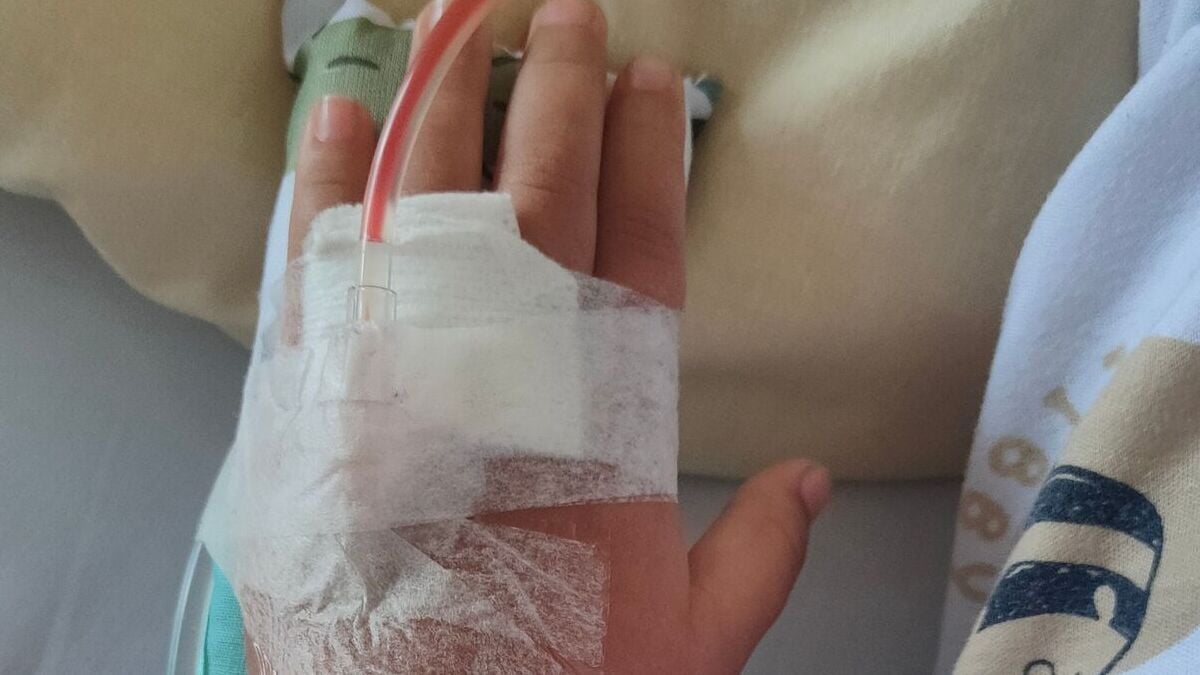
- First reported euthanasia of a child aged 1–12 under the 2024 rules.
- Procedure allowed only in cases of terminal illness and unbearable suffering.
- Prosecutors are reviewing whether legal requirements were followed.

The Netherlands has recorded its first reported euthanasia case involving a child under the age of 12 since the country expanded its assisted-dying regulations in 2024, according to Dutch Health Minister Sophie Hermans.
The case involved a terminally ill child between the ages of one and 12 whose life was ended at the end of 2025 under the country's revised euthanasia framework. The child’s age, gender, medical condition and other identifying details have not been disclosed.
Hermans informed the Dutch House of Representatives of the case in a letter accompanying the annual report of the committee responsible for reviewing late-term pregnancy terminations and life-ending procedures involving children.
“At the end of 2025, the committee received its first report of life termination of a child between the ages of 1 and 12 years,” Hermans wrote.
The case marks the first known use of regulations introduced in 2024 that allow doctors, under strict conditions, to actively end the lives of children aged between one and 12 who are suffering unbearably from a terminal illness with no prospect of recovery.
Prior to the regulatory change, euthanasia in the Netherlands was already permitted for adults, certain minors aged 12 and over, and newborn infants in exceptional circumstances. Children aged between one and 12 were not covered by the existing framework.
Under the revised rules, euthanasia may be carried out only when a child is terminally ill, experiencing what authorities describe as unbearable suffering with no prospect of improvement, and when no reasonable medical treatment or palliative care alternative is available.
The regulations also require the consent of the child's parents. Doctors must involve the child in the decision-making process to the extent that the child is capable of understanding the situation and must be satisfied that the procedure is not being carried out against the child's wishes.
The government has stated that euthanasia is only permitted when a patient's unbearable suffering has a medical basis and there is no prospect of relief.
The doctor responsible for the procedure must conclude that the legal criteria have been met and obtain an independent second opinion before proceeding.
According to Dutch authorities, the arrangement was designed to address a very small number of cases each year. When the policy was introduced, officials estimated that approximately five cases annually might qualify under the criteria.
Many of the children potentially covered by the regulation suffer from severe congenital disorders affecting vital organs such as the brain, heart or lungs, or from serious metabolic diseases. Before the rule change, treatment options were generally limited to palliative sedation or the withholding of food and fluids until death occurred naturally.
The review committee examined the reported case and interviewed the doctor involved before issuing its assessment. As required under Dutch law, the committee forwarded its findings and advisory opinion to the Public Prosecution Service.
Prosecutors will independently determine whether the doctor complied with all legal requirements and whether any further action is necessary. The committee's recommendation is expected to be published in due course.
The Netherlands became the first country in the world to legalise euthanasia for adults when the practice was formally regulated in 2002. Since then, the scope of the country's euthanasia framework has expanded to cover additional categories of patients under specific conditions.
According to the committee's annual report, there were three reported late-term pregnancy terminations in 2025. No life-ending procedures involving newborn infants were reported during the year, while one life-ending procedure involving a child aged between one and 12 was recorded.
Euthanasia remains subject to strict legal requirements in the Netherlands. Patients must be experiencing unbearable suffering with no prospect of improvement, requests must be voluntary, and doctors must follow established procedural safeguards.
Official figures show that euthanasia accounts for a growing proportion of deaths in the country. More than 10,000 euthanasia deaths were reported in the Netherlands in 2025, representing around six per cent of all deaths recorded during the year.
The Netherlands remains one of a small number of countries that permit euthanasia for minors. In Europe, neighbouring Belgium removed age restrictions on euthanasia in 2014, while assisted-dying legislation continues to be debated in several other countries.