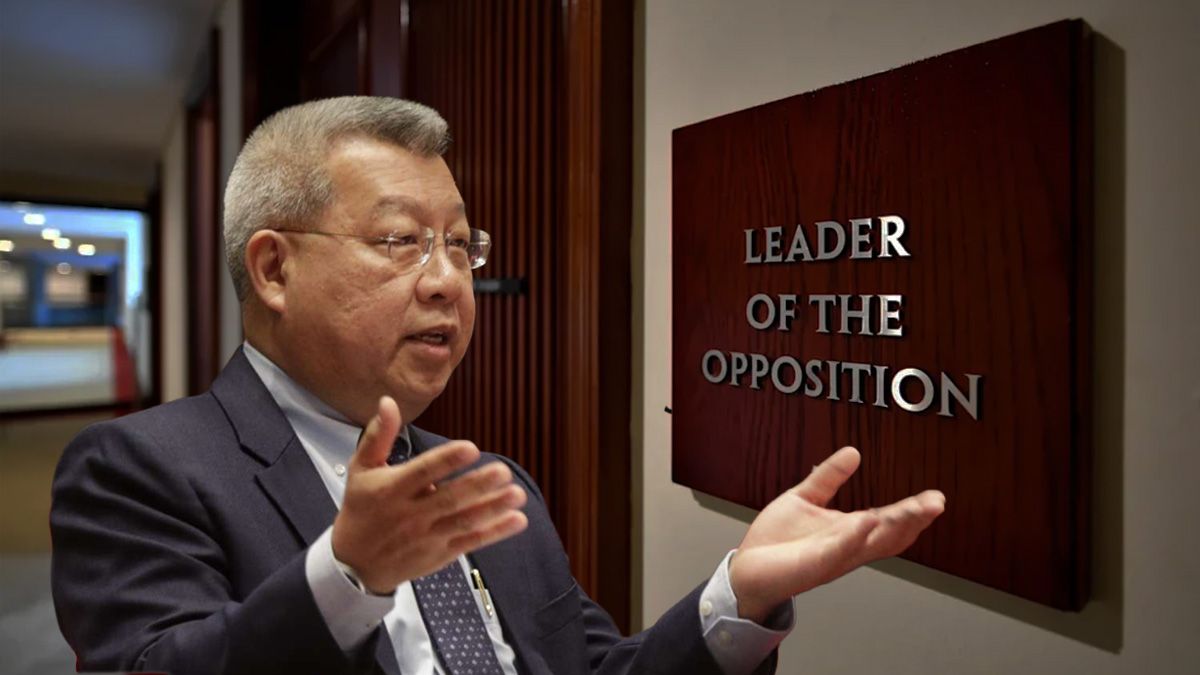
Chan Chun Sing: Institutionalising Leader of the Opposition role must follow established practice
In a written reply to Parliament, Chan Chun Sing said the government supports institutionalising the Leader of the Opposition role in principle, but formalising it in law should await further maturation of parliamentary practice.

- Chan Chun Sing says institutionalising the Leader of the Opposition role in law is supported in principle.
- He stresses that codification must be based on matured conventions and sound parliamentary practice.
- Criteria for the LO include integrity, leadership of a predominant opposition party, and parliamentary trust.

On 3 February 2026, Minister Chan Chun Sing, in a written parliamentary reply on behalf of Prime Minister Lawrence Wong, stated that the government supports, in principle, the institutionalisation of the Leader of the Opposition (LO) role in Singapore’s Constitution.
He was responding to questions from Nominated Member of Parliament (NMP) Dr Neo Kok Beng, who asked whether the LO position would be formally enshrined in law, what criteria determine eligibility for the post, and whether the Prime Minister would appoint an LO if no elected opposition MP met those criteria.
Government supports role but urges patience
In his response, Chan, who is Coordinating Minister for Public Service and Minister for Defence, affirmed that the People’s Action Party (PAP) government supports institutionalisation of the LO role in principle.
However, he noted that the position—only formalised in 2020—remains relatively new, and its future codification should be informed by parliamentary practice and experience.
“It would therefore be appropriate to allow these conventions to further develop and mature, so that any eventual codification in statute is informed by established and sound practice,” he wrote.
Criteria for assuming the LO role
Chan outlined several key considerations currently applied when determining eligibility for the LO post:
-
The individual should be the leader of the main opposition party, where such a party exists and commands a significant number of elected seats.
-
The candidate must uphold high standards of honesty and integrity.
-
The individual must also command the trust and respect of Parliament to carry out the role’s responsibilities.
Chan added that if the leader of the predominant opposition party does not meet these standards, another opposition MP may be considered.
While some requirements may eventually be included in statute, others—such as conventions of conduct and moral expectations—would remain uncodified but fundamental.
“These conventions,” he wrote, “are essential to upholding the high standards of personal integrity and honourable behaviour expected of MPs and political leaders in Singapore.”
On appointing an LO in the absence of a qualified MP
In response to a related question from Dr Neo, Chan said it was a “hypothetical and highly unlikely” scenario that no opposition MP would meet the criteria for the LO post.
He emphasised that Singapore’s political system already ensures the presence of opposition voices in Parliament, referencing rules that guarantee at least 12 non-ruling party MPs.
“I have little doubt that there will always be opposition voices in this House,” Chan wrote, “and among them, Members in good standing who are able to meet the requirements of the Office and discharge its responsibilities with integrity and responsibility.”
Singh’s removal from the LO position
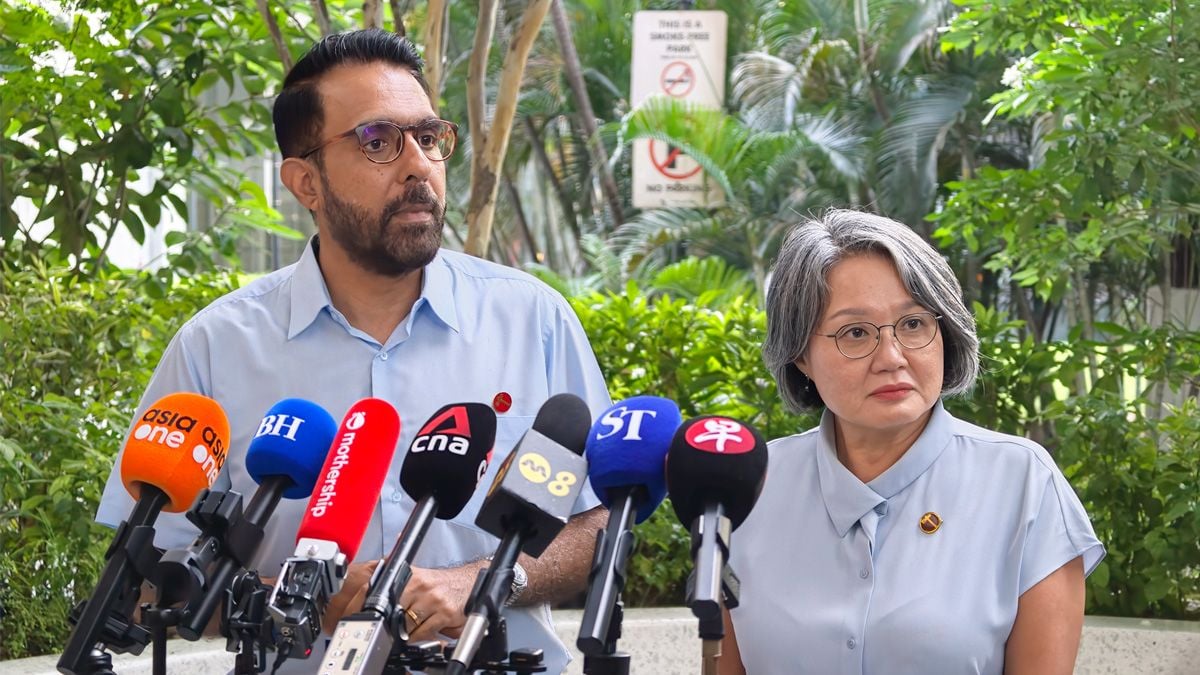
This exchange comes in the wake of the removal of Workers’ Party (WP) chief Pritam Singh as Leader of the Opposition on 15 January 2026, following the High Court’s dismissal of his appeal against a conviction for lying to a parliamentary committee.
Singh had been appointed as LO in July 2020 after the General Election 2020, when the WP emerged as the largest opposition party with 10 elected seats and later reappointed in 2025 after the GE2025.
His appointment was the first formal recognition of the LO role in Singapore, and it came with resources and responsibilities akin to Westminster-style parliamentary systems.
After Singh’s conviction was upheld, a motion was passed by the PAP-majority Parliament declaring him unsuitable to continue in the position. Prime Minister Wong subsequently invited the WP to nominate a replacement.
The WP declined, asserting that the LO role arises from electoral legitimacy, not executive discretion. In a statement, the party said that the LO title is typically assigned by the largest opposition party, and not appointed by the government.