US and Iran agree to halt attacks, to meet in Qatar for further talks
The United States and Iran have agreed to halt attacks and allow ships to pass freely through the Strait of Hormuz, senior US officials told American media on Sunday. Both sides will "stand down for now," a Trump administration official said, and are set to meet in Doha, Qatar, on Tuesday for further talks.
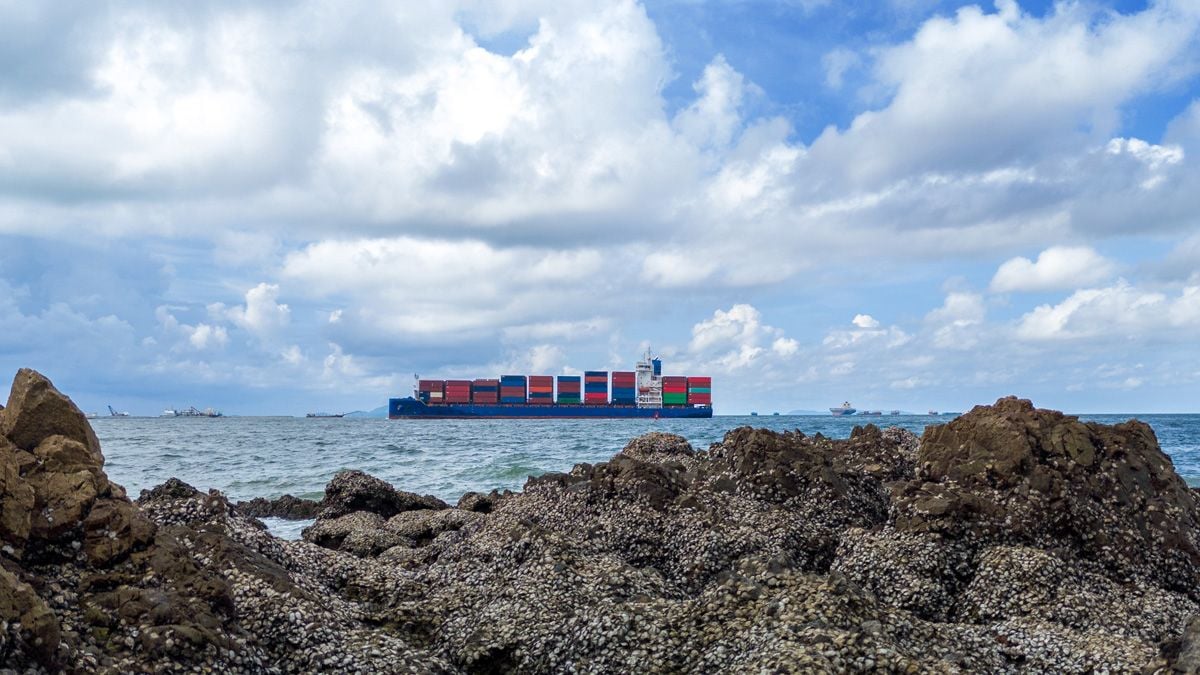

The United States and Iran have agreed to stop attacking each other and allow ships to pass freely through the Strait of Hormuz, senior US officials told American media on Sunday, ending four consecutive days of hostilities that threatened to unravel a fragile ceasefire.
"Both sides will stand down for now and vessels can move freely," a Trump administration official told both CNN and The Hill, adding that technical talks remain "on track."
The two sides are also set to meet in Doha, Qatar, on Tuesday to resume discussions on implementing the memorandum of understanding (MOU) signed on June 17 — a 60-day agreement aimed at halting hostilities while negotiations over Iran's nuclear programme proceed.
Renewed fighting tested the ceasefire
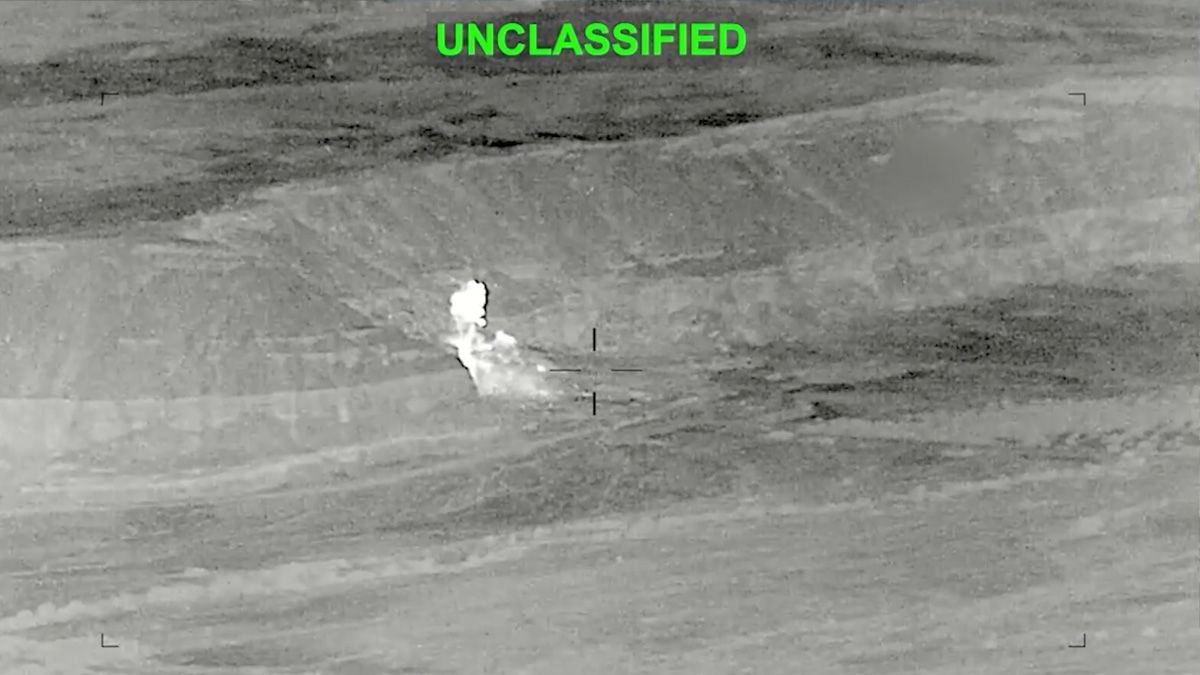
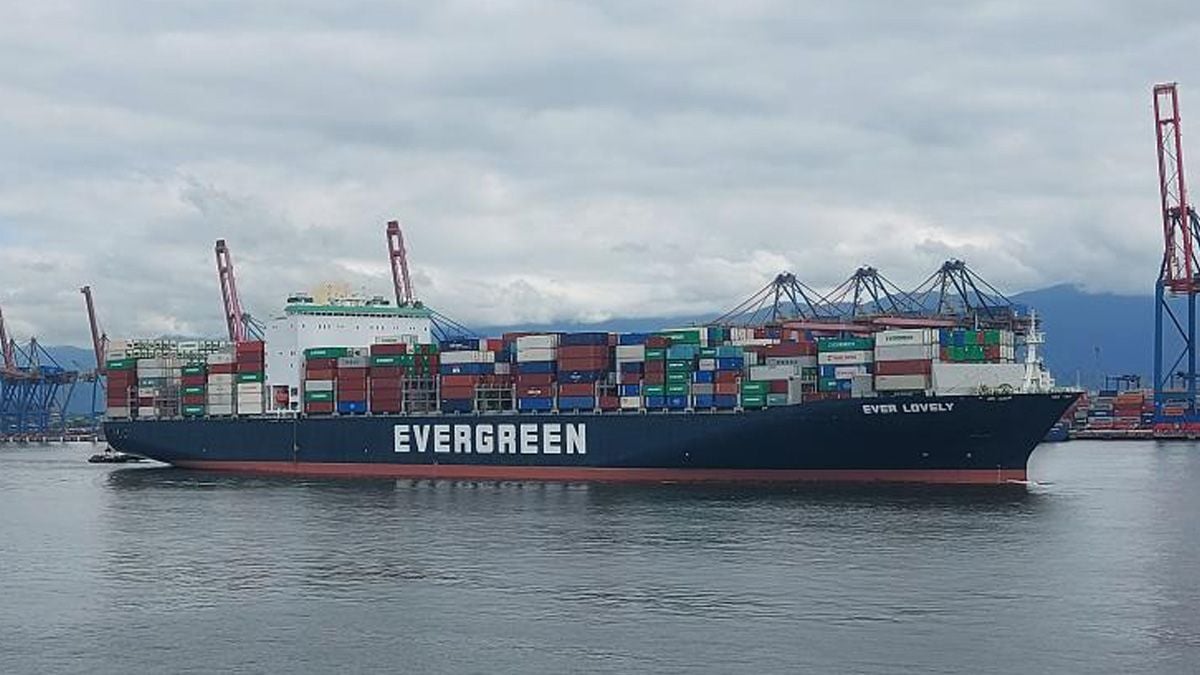
The weekend's exchange of fire was the most serious test yet of the MOU. Tensions escalated after Iran struck a commercial vessel near the coast of Oman on Thursday, prompting the US Central Command to carry out retaliatory strikes on Iranian missile and drone storage facilities and coastal radar sites.
Iran responded with a wave of drones and missiles targeting US military sites in Kuwait and Bahrain on Sunday. A US official said all projectiles "were shot down, intercepted, or failed to reach their intended targets," adding: "To be clear, Iran failed."
A Qatari citizen on a vessel was killed by shrapnel from the military operations, Qatar's Interior Ministry confirmed. An Arab resident aboard the same vessel was also injured and hospitalised in stable condition.
Trump's escalating rhetoric
President Donald Trump issued stark warnings throughout the weekend. In a post on Truth Social, he said the US had struck Iranian targets "for violating the Cease Fire Agreement, AGAIN," and warned that Iran would "no longer exist" if the US was "forced to militarily complete the job."
Despite the threats, both sides appear to have pulled back from further escalation, at least for now.
Hormuz shipping remains central
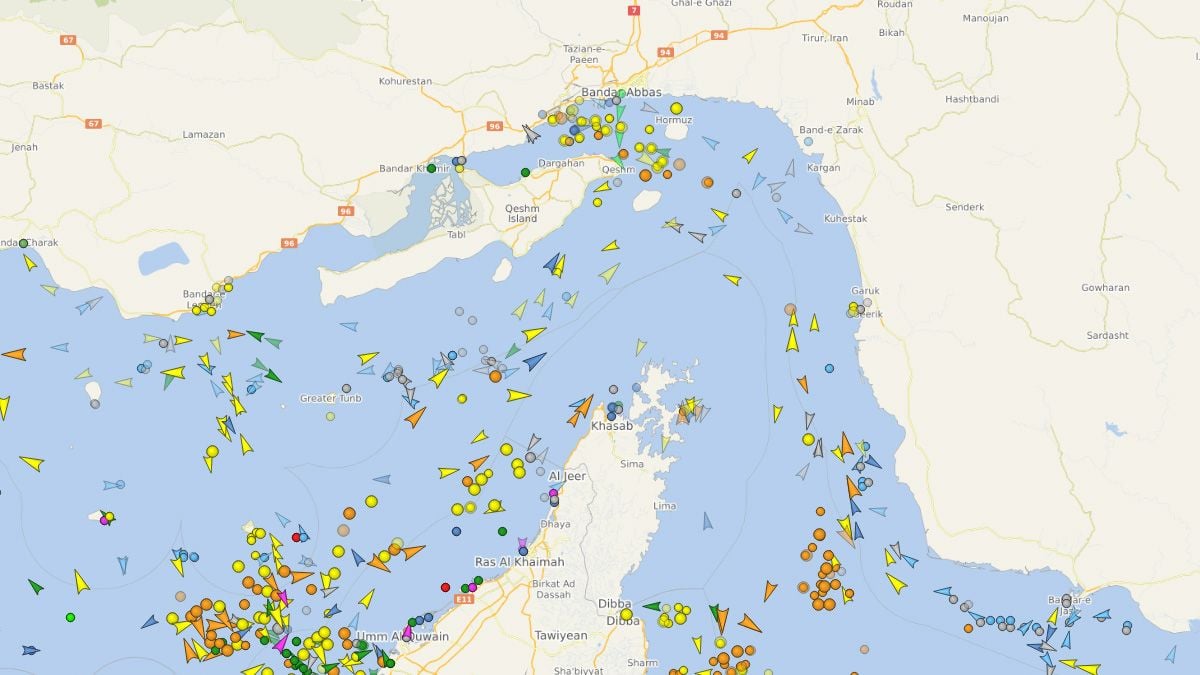
Control of the Strait of Hormuz — through which roughly one-fifth of the world's oil supply flows — has been at the heart of the dispute. Iran asserted authority over the waterway on Friday, warning that safe passage could only be guaranteed for ships that coordinated with Tehran.
Oil prices edged up slightly on Sunday before the standdown was announced, with Brent crude rising 0.9% to $72.20 a barrel. Prices remain well below the April peak of around $126, and the average US pump price has fallen to $3.87 a gallon — down nearly 13% from a month ago, though still about 30% above pre-war levels.
Lebanon complicates the picture
Iran's Foreign Minister Abbas Araghchi said any final deal with the US must include a full Israeli withdrawal from Lebanon — a demand Israel has rejected.
Israel approved continued military operations in southern Lebanon over the weekend, two days after signing a fresh ceasefire agreement with Lebanon and the US. Hezbollah, which was not party to that agreement, has dismissed it as meaningless.
The MOU's provisions last 60 days but can be extended by mutual agreement. Tuesday's meeting in Doha will be closely watched as a signal of whether both sides can move beyond the brinkmanship and toward a more durable arrangement.