Govt keeps all options open on citizenship, including reviewing past applicants: Gan Kim Yong
Singapore plans to admit 25,000 to 30,000 new citizens annually over five years, with PR intake rising to 40,000. Gan Kim Yong said the Government will review previous unsuccessful applicants and remain flexible, while maintaining ethnic balance and monitoring demographic trends.
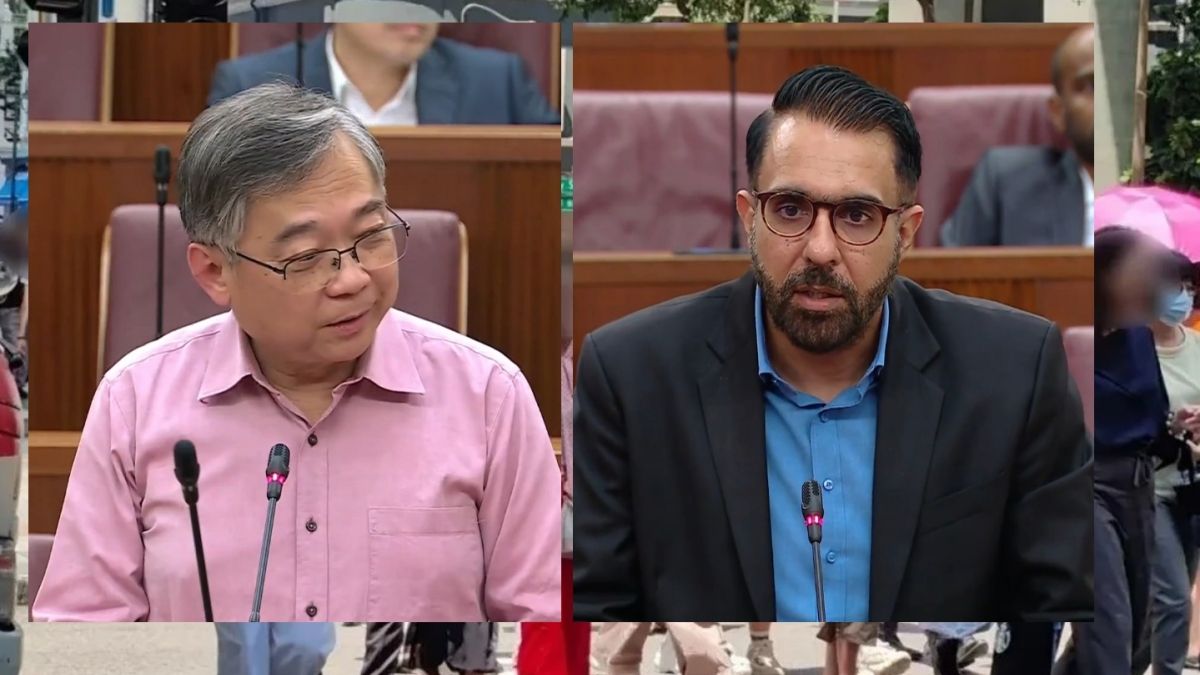
- Singapore to admit 25,000–30,000 new citizens yearly over five years.
- PR intake to rise to about 40,000 annually as part of citizenship pipeline.
- Government will review past applicants while maintaining ethnic balance.

On 26 February 2026, Deputy Prime Minister Gan Kim Yong said the Government is keeping all options open to boost Singapore’s citizen population, including taking a fresh look at previous unsuccessful citizenship applicants.
He made the remarks during the budget debate for the Prime Minister’s Office, outlining plans to admit between 25,000 and 30,000 new citizens annually over the next five years.
Higher annual intake planned
Gan revealed that around 25,000 citizenships were granted in 2025.
Looking ahead, he said the Government expects to take in between 25,000 and 30,000 new citizens each year, depending on demographic trends, including Singapore’s total fertility rate (TFR).
“We will adjust the actual number of immigrants we take in year by year depending on our TFR trends, other demographic factors, and the number and suitability of applicants,” he said.
Gan added that infrastructure and society’s capacity to absorb newcomers would also be considered.
Permanent residents as pathway
Permanent residents form the pipeline to citizenship, Gan noted.
Singapore’s permanent resident population has remained stable at around 540,000 in recent years.
The Government estimates an intake of about 40,000 permanent residents annually over the next five years, slightly higher than the 35,000 granted last year.
“With new citizens you need to have more new PRs because there’s a pipeline,” Gan said.
He stressed that adjustments would be made to maintain a stable citizen population, possibly with modest growth.
Slower citizen population growth
Gan said citizen population growth has slowed from 0.9 per cent to 0.8 per cent, and then to 0.7 per cent last year.
Going forward, growth is likely to slow further to about 0.5 per cent.
“But even at half a per cent, this is going to be hard because it would depend on the TFR being held up,” he said.
The Government will review the situation again by 2030, taking into account changes in fertility and other demographic trends.
Workers’ Party raises concerns
Workers’ Party chief Pritam Singh sought clarification on whether the Government would consider Employment Pass holders and long-term permanent residents who had applied multiple times without success.
The Aljunied GRC MP noted that some applicants may have assimilated well into Singapore society over time.
“Is that a strategy, specifically to re-look at some of these applicants because they may have actually assimilated into Singapore society quite well by now?” he asked.
‘Keeping all options open’
Gan responded that the Government is prepared to review such cases.
“The short answer is yes, we are keeping all options open,” he said. “We will take a fresh look at many of these applicants.”
However, he noted that some had not been granted permanent residency or citizenship previously for specific reasons.
He emphasised that assimilability remains the key consideration, alongside a range of factors including maintaining Singapore’s ethnic composition balance.
Flexibility with balance
Singh further asked whether the Government was prepared to deviate from existing ethnic composition norms in view of demographic pressures.
Gan replied that flexibility would be necessary but within limits.
“The answer is yes, we will need to be flexible, but it’s very important for us to ensure that we maintain the broad balance,” he said.
He added that while the Government was not focused on precise percentages, it was crucial not to alter the overall “context” and “texture” of society.
Gan reiterated that these considerations would guide the evaluation of applications as Singapore adjusts its immigration strategy over the coming years.