Singapore to designate race-based entities under RHA to curb foreign interference threats
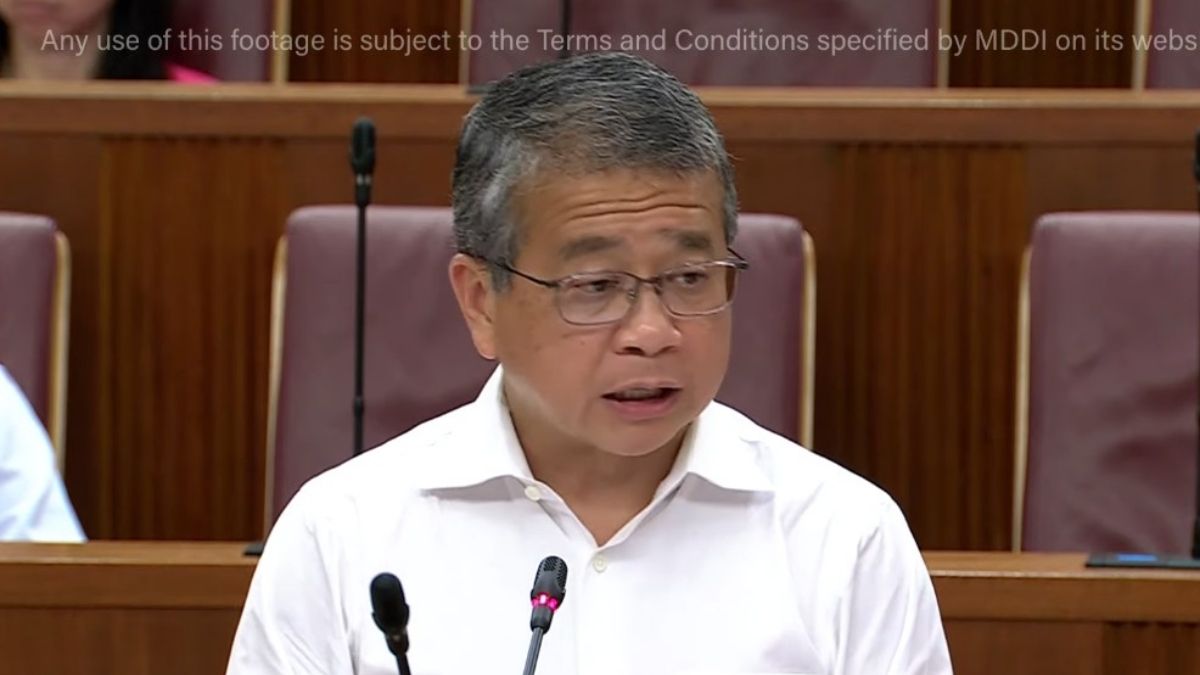
Singapore will designate selected race-based clan and business associations under the Maintenance of Racial Harmony Act to counter foreign interference, Second Minister for Home Affairs Minister Edwin Tong said. The move includes disclosure rules and leadership requirements, alongside planned amendments to FICA.
- Selected clan and business associations will be designated under RHA.
- Entities must disclose foreign links and meet leadership rules.
- FICA will be amended to counter hostile online campaigns earlier.

Singapore will designate selected race-based entities under the Maintenance of Racial Harmony Act (RHA) to curb foreign interference, Edwin Tong announced on 27 February 2026.
The Minister for Law and Second Minister for Home Affairs said the move aims to strengthen safeguards amid growing external threats exploiting sensitive social issues.
Race-based entities to face new requirements
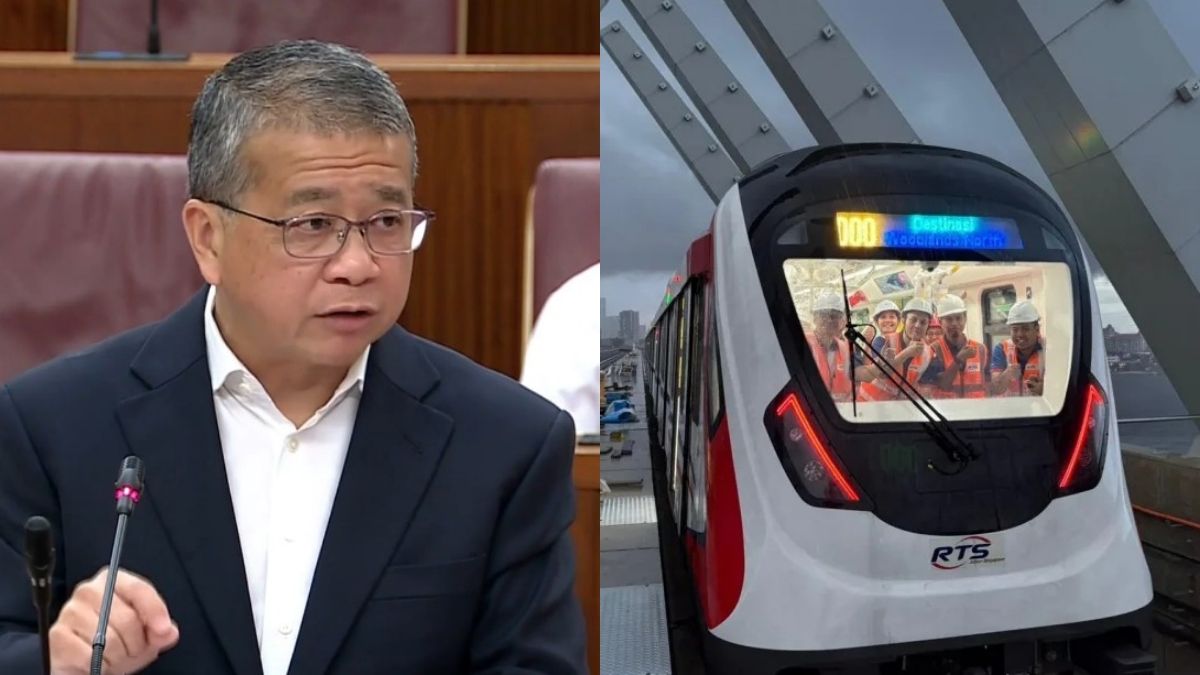
Speaking during the Ministry of Home Affairs Committee of Supply debate, Tong said entities assessed to have higher potential of being vectors for malicious foreign interference would be designated under the Act.
“In the first instance, we will designate clan associations and business associations linked to the Chinese, Malay and Indian races,” he said.
These entities will be required to disclose foreign donations and affiliations. They must also meet leadership composition requirements to ensure appropriate governance standards.
Tong added that the Ministry plans to bring the RHA, including these measures, into force by the end of 2026.
Safeguards amid evolving foreign tactics
Tong referred to earlier remarks by Senior Minister of State for Foreign Affairs Sim Ann, who noted that foreign interference in domestic politics is not new but has been intensified by today’s contested global landscape and advanced digital tools.
In this environment, emotive and sensitive issues such as race and religion can be more easily exploited by foreign actors, Tong said.
“In this landscape, as Members have pointed out, emotive and sensitive issues such as race and religion can be more easily exploited by foreign actors to deepen fault lines within our society and manipulate Singaporeans to be aligned with foreign interest at the expense of our own interest,” he said.
“We must therefore continue to strengthen our safeguards against foreign interference.”
Amendments to FICA proposed
Tong also highlighted increasingly sophisticated tactics, including inauthentic websites masquerading as credible local sources to launch hostile information campaigns.
In 2024, authorities identified 10 such websites set up by foreign actors.
They used Singapore-related terms and images to appear local and were linked to global networks reportedly involved in influence operations abroad.
As there are no provisions under the Foreign Interference (Countermeasures) Act (FICA) to act pre-emptively against such websites, the Government relied on powers under the Broadcasting Act to geo-block them.
Tong acknowledged this approach was not as timely as it should have been.
He said amendments to FICA will be proposed to allow the Government to issue anticipatory directions against online communication platforms, including websites and mobile applications, where there are indications they may be used to mount hostile information campaigns before actual harm occurs.