Josephine Teo: Singapore to train 100,000 workers in artificial intelligence by 2029
The Singapore government has launched the National AI Impact Programme to equip 10,000 enterprises and 100,000 workers with artificial intelligence skills by 2029, targeting non-tech sectors including law and accountancy to improve workplace efficiency and professional judgment.

- The National AI Impact Programme aims to upskill 100,000 employees and 10,000 businesses in artificial intelligence technologies over the next five years.
- Existing initiatives such as the TechSkills Accelerator will expand to provide sector-specific AI training for non-technical roles in legal, accounting, and human resources fields.
- Professional bodies will collaborate with the government to launch tailored AI fluency programmes in early 2026 to automate repetitive tasks and enhance high-value decision-making.

Singapore will train 100,000 workers to become proficient in artificial intelligence by 2029 to ensure the workforce remains competitive. This initiative forms part of the newly launched National AI Impact Programme (NAIIP), which also aims to support 10,000 enterprises.
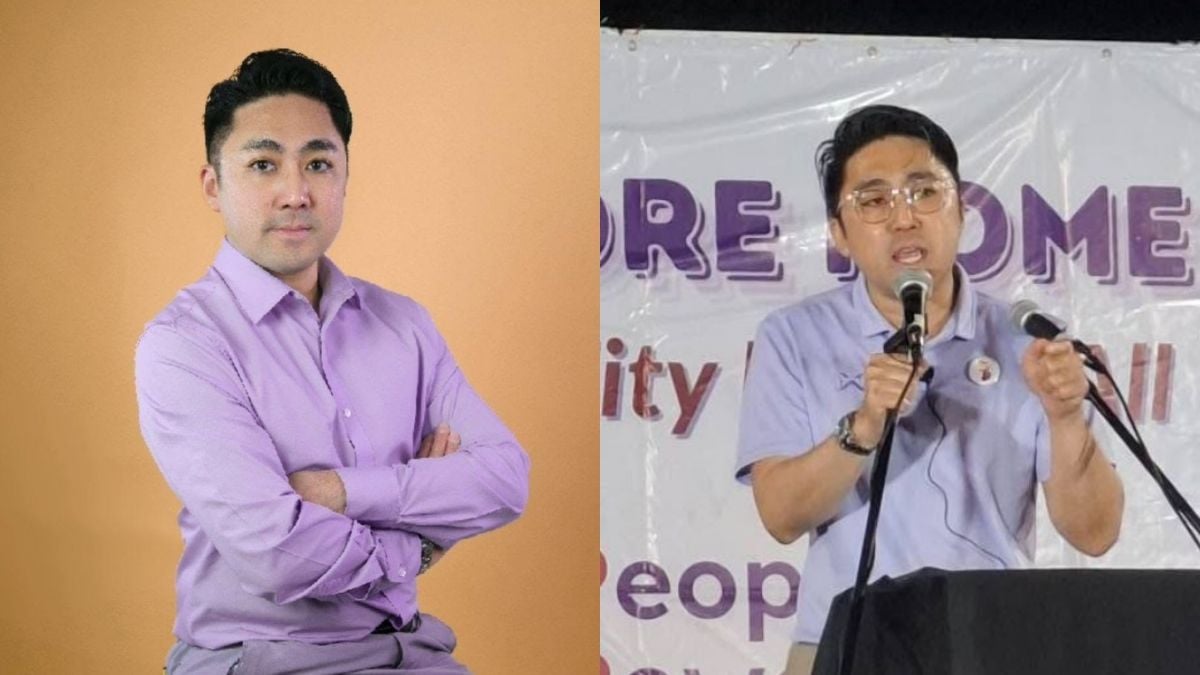
Minister for Digital Development and Information Josephine Teo announced the measures during a ministerial budget debate on 02 March 2026.
Minister Teo emphasised that combining AI expertise with domain-specific knowledge and the human touch creates a powerful professional advantage.
The NAIIP intends to help workers become 'bilingual' in both their primary field of expertise and AI.
Minister Teo noted that while not every citizen needs to be an AI engineer, they must be able to solve real-world problems using technology.
To facilitate this transition for non-technical staff, the Infocomm Media Development Authority (IMDA) is expanding the TechSkills Accelerator (TeSA).
This expansion marks the first time the programme has specifically targeted non-technical occupations such as accountants, lawyers, and receptionists.
The TeSA initiative originally launched in 2016 and has since assisted over 24,300 mid-career individuals in transitioning to technical roles. The new focus will eventually encompass broader fields, including human resources, to ensure widespread digital literacy across the economy.
Specific AI fluency programmes for the accountancy and legal sectors are scheduled for launch in the first half of 2026.
These will be developed in partnership with the Institute of Singapore Chartered Accountants and the Singapore Academy of Law.
The Singapore Corporate Counsel Association will also contribute to the curriculum.
The training will teach accountants to use AI for financial reporting and compliance. Lawyers will learn to apply the technology to research, document review, and contract management.
The primary objective is to allow professionals to redesign work processes for greater efficiency.
According to a joint statement from the Ministry of Digital Development and Information (MDDI) and IMDA, this allows staff to focus on higher-value advisory work.
Training will also cover essential ethical considerations, including responsible AI use and data governance.
These competencies are intended to support professional judgment in complex tasks like risk analysis and strategic decision-making, which still require human oversight.
Minister Teo highlighted the success of Geraldine Lau, a senior manager at KPMG, as an example of this 'bilingual' approach. Lau developed an AI agent in late 2024 to automate the extraction of regulatory announcements from the Singapore Exchange.
The automated process reduced the time required for audit risk assessments by half. Although Lau does not possess advanced coding skills, her domain expertise was vital in ensuring the AI tool targeted the correct data points for the consultancy firm.
By saving hours of manual labour, Lau has been able to focus on deeper risk assessments and professional calibration.
Minister Teo suggested that human wisdom and calibration remain irreplaceable even as technology handles repetitive documentation tasks.
The NAIIP also includes a new fluency programme specifically for technical workers. This aims to upgrade software engineers into full-stack engineers capable of managing complex systems and workflows through the use of integrated AI agents.
Further details regarding training partners and application processes for the technical track will be released in the first half of 2026.