Reducing class sizes not a simple fix, Desmond Lee says amid manpower and recruitment constraints
Jamus Lim renewed calls to reduce class sizes in Parliament, citing teacher workload and OECD comparisons. Education Minister Desmond Lee said smaller classes have benefits but warned that manpower limits and quality concerns make across-the-board reductions complex.

- Jamus Lim renewed calls to reduce class sizes closer to OECD averages, citing teacher workload and student attention.
- Education Minister Desmond Lee said reducing class sizes is not a simple fix amid manpower constraints.
- The ministry will focus allied educator resources on specialised roles rather than expand teaching and learning assistants.

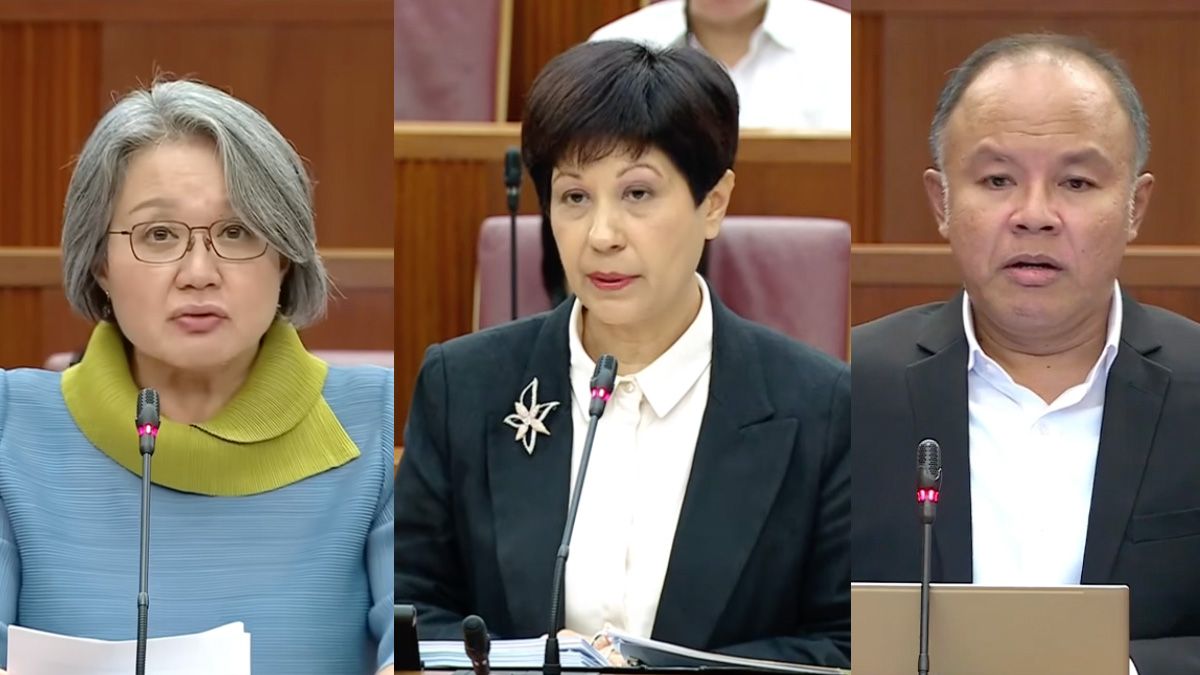
Debate over class sizes resurfaced in Parliament during the Ministry of Education’s Committee of Supply debate, as Workers’ Party MP Jamus Lim pressed for reforms to ease teacher workload and improve student attention.
On 2 March, Lim reiterated his party’s call to cap class sizes closer to the OECD average, arguing that Singapore’s classrooms remain significantly larger than those in other advanced economies.
Education Minister Desmond Lee later responded that while smaller classes can bring benefits, reducing class sizes across the board requires careful balancing of recruitment capacity, teacher quality and workload sustainability.
Jamus Lim argues for smaller classes and more support staff
Speaking during the debate, Associate Professor Jamus Lim noted that, as of 2024, average class sizes stand at 34 pupils in primary schools and 33 in secondary schools.
He contrasted these figures with OECD averages of 21 and 23 respectively, describing the disparity as affecting the level of attention students receive.
“To be clear, this is not an argument that smaller class sizes automatically translate into superior outcomes,” Lim said, acknowledging that evidence is mixed.
However, he added that there is stronger evidence showing improvements in classroom management, student learning and reduced teacher stress when class sizes are moderated.
Lim highlighted that the ministry already recognises the benefits of smaller classes in specific contexts.
Primary 1 and 2 classes are capped at 30 pupils, while foundation classes range between 10 and 20 students. Learners in specialised programmes may have class sizes closer to 20.
He argued that such benefits “shouldn’t just be limited to these special cases”.
Lim also cited findings from the Teaching and Learning International Survey, stating that teachers in Singapore work more than 47 hours per week, about six hours more than their OECD counterparts.
Paradoxically, he noted, OECD teachers spend almost 23 hours teaching weekly, compared to around 18 hours locally.
“Retention is more than half the battle compared to recruitment,” he said, suggesting higher pay or reduced workload as solutions to address burnout.
While acknowledging that reducing class sizes would take time, Lim proposed an interim measure of assigning a teaching assistant to every classroom.
Such assistants could guide lagging students, manage disruptions and take on administrative tasks, he said, freeing teachers to focus on instruction.
“I reiterate the Workers’ Party call to cap class sizes closer to the OECD average, especially at the primary level,” he said.
Minister: not a simple fix amid tight labour market
In response, Desmond Lee said he agreed that smaller classes can improve teaching and learning, particularly for students with greater needs.
“That is precisely why we have smaller class sizes for students with greater needs,” Lee said in his speech on 3 March.
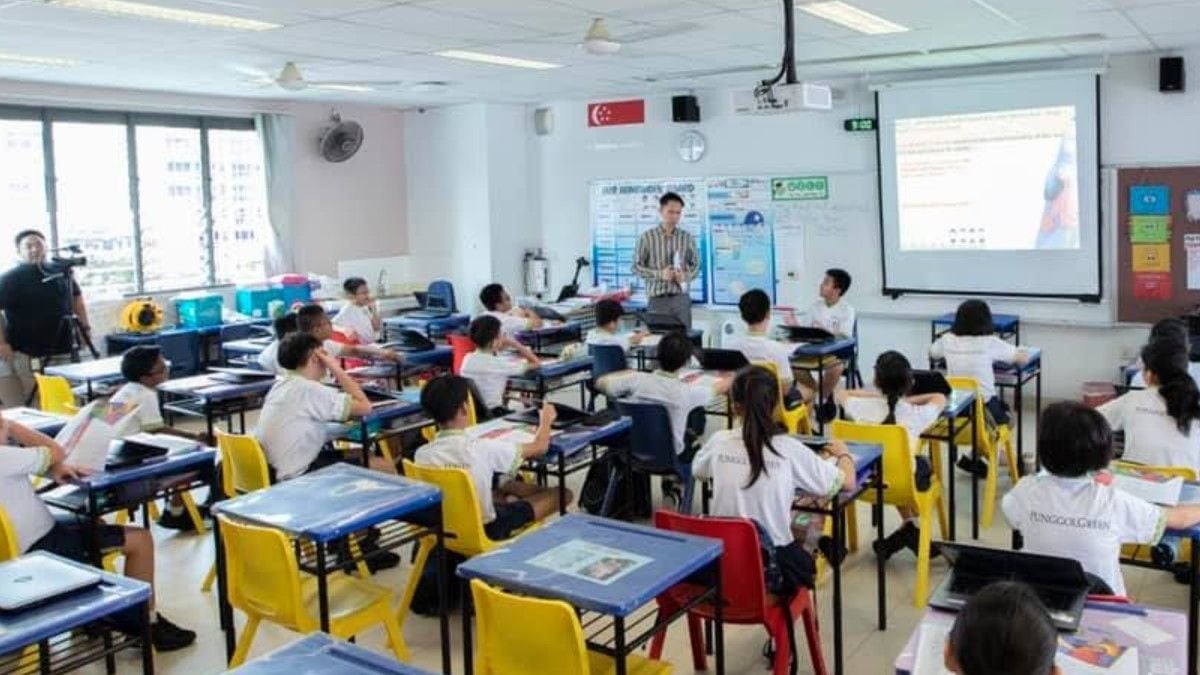
He detailed existing arrangements, including foundation subjects taught in classes of 10 to 20 pupils, learning support programmes with eight to 10 pupils, and subject-based banding classes ranging from 20 to 40 students depending on needs.
Lee said the ministry has already ramped up teacher recruitment from around 700 annually to a target of over 1,000 per year, representing a 40 per cent increase.
In 2025, more than 1,300 teachers were recruited, he added.
However, he cautioned that further large-scale increases would be challenging.
“We are contending with a tight labour market, especially for those we want to recruit as teachers,” he said.
Recruitment is not based solely on qualifications, but also on “the aptitude to teach and the heart to nurture future generations”.
“Our local workforce growth is slowing, and Singaporeans have many attractive career options in the public and private sector, so this is hardly a simple fix,” Lee said.
Allied educators and CCA duties debated
Lim had also expressed concern that expanding teacher recruitment was accompanied by scaling back allied educators in teaching and learning roles.
Lee clarified that the shift began about nine years ago and was not newly announced.
The ministry has doubled allied educators in priority areas such as counselling and special educational needs over the past decade, from around 800 to 1,600.
Administrative support staff per school have also increased from about six to nine over the same period.
“Allied Educators (Teaching and Learning) has been sunset,” Lee said later in reply to Lim’s follow-up question.
Resources are being redirected to specialised functions such as counselling, special education needs and student welfare, he added.
Lim further asked whether, even in the age of artificial intelligence, sustaining human instruction in classrooms remains paramount.
He also queried whether the ministry would consider expanding teaching and learning allied educators as an interim stopgap.
Lee replied that the answer to the first question was yes, referring to an earlier parliamentary response recorded in Hansard.
On expanding allied educators in teaching and learning, he reiterated that the scheme had been phased out and resources were prioritised elsewhere.
The minister also addressed suggestions that co-curricular activities and learning journeys could be outsourced to free up teachers’ time.
While more coaches and instructors have been brought in, Lee said teachers’ roles in co-curricular activities extend beyond administration.
“They help nurture our students to develop critical social emotional competencies,” he said.
Reducing such duties would require weighing the impact on holistic development and teachers’ overall working hours.
Lee assured members that the ministry is studying how best to calibrate class sizes and workload sustainably.