Singapore to increase MediSave withdrawal limits for chronic and preventive care
The Ministry of Health has announced a significant increase in MediSave withdrawal limits for outpatient chronic disease management and preventive care to improve affordability for patients.
- Annual MediSave withdrawal limits for chronic and preventive care will rise to S$700 for standard cases and S$1,000 for complex conditions.
- The Ministry of Health will rename the current MediSave500/700 scheme to the MediSave Chronic and Preventive Care scheme from 1 January 2027.
- Hyperthyroidism and hypothyroidism will be added to the Chronic Disease Management Programme, benefiting over 53,000 additional patients.

SINGAPORE: The Ministry of Health (MOH) announced on 5 March 2026 that patients with chronic conditions will be able to access more funds from their MediSave accounts starting from 1 January 2027.
The revised framework aims to enhance outpatient affordability for treatments related to conditions such as hypertension and stroke. It also covers vaccinations and various preventive health tests.
Under the new guidelines, the current MediSave500/700 scheme will be renamed as the MediSave Chronic and Preventive Care scheme. This rebranding reflects a broader focus on long-term health management.
Patients will soon be permitted to withdraw up to S$700 (US$550) annually for their medical needs. This represents an increase from the current limit of S$500.
For individuals managing more complex chronic conditions, the annual withdrawal limit will be raised to S$1,000. This is a significant increase from the existing S$700 cap.
According to data provided by MOH, the adjustments follow a regular review of the healthcare system. The ministry noted that approximately 915,000 patients utilised the existing scheme throughout last year.
Internal assessments revealed that roughly 20 per cent of those patients faced post-subsidy bills that exceeded their current withdrawal limits. This suggested a need for higher caps to reduce out-of-pocket expenses.
Chronic disease patients represented 95 per cent of all scheme users in the previous year. Within this group, 80 per cent were classified as having complex conditions.
This meant the majority of users were previously restricted by the S$700 limit. The new S$1,000 cap is intended to provide these high-needs patients with greater financial breathing room.
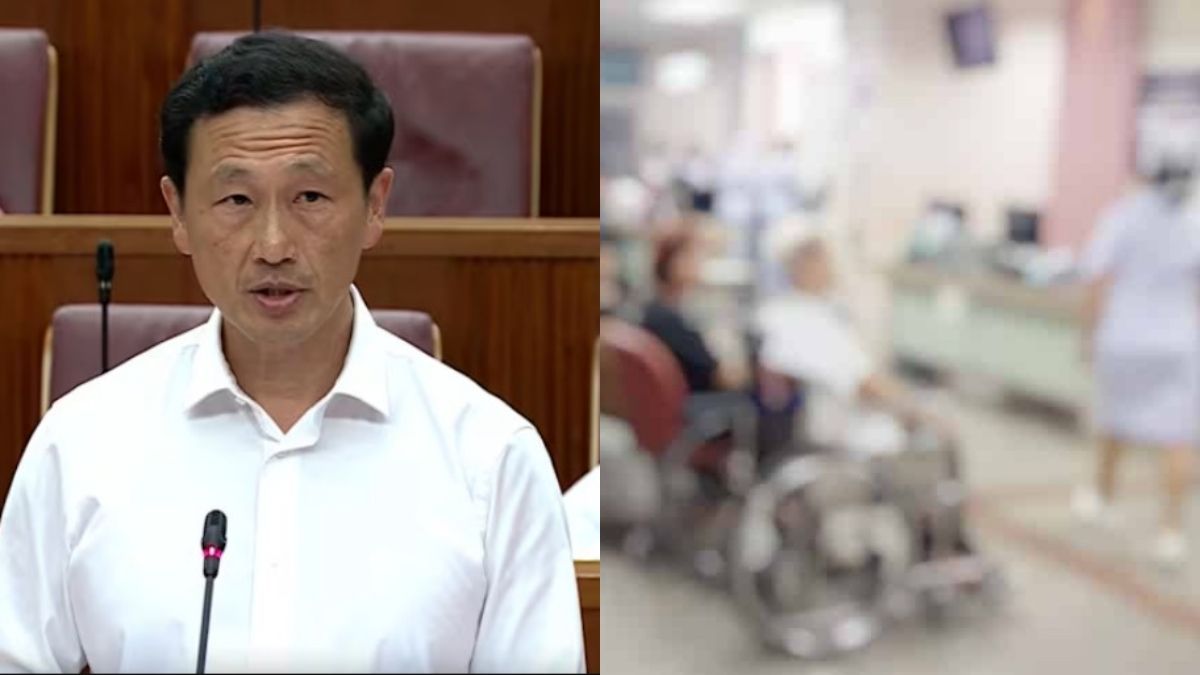
Health Minister Ong Ye Kung addressed the changes in Parliament on Thursday.
He was detailing the spending plans for the ministry for the upcoming fiscal year.
Minister Ong explained that schemes like Flexi-MediSave provide necessary flexibility for chronic disease management and diagnostic scans. They also cover essential services such as dental visits.
He emphasised that these schemes must function without diluting the primary purpose of MediSave. The fund was originally designed to cover large, unpredictable hospital bills during old age.
Minister Ong acknowledged that the demographic landscape of Singapore has shifted since the inception of MediSave in 1984. Residents are now living significantly longer lives than previous generations.
He stated that while preserving funds for hospitalisation remains vital, the demand for preventive care has grown. Managing chronic diseases effectively can prevent more serious health crises later.
The minister noted that the scheme involves inherent trade-offs. Using more balance for recurring expenses naturally leaves less for future hospital stays.
Minister Ong warned that if the tension between outpatient needs and hospitalisation reserves becomes too severe, the government may consider raising contribution rates.
He described this tension as a deliberate part of the system's design. The government must balance co-payment structures with the need to keep contribution rates reasonable for all citizens.
In addition to the limit increases, MOH will expand the Chronic Disease Management Programme (CDMP).
This programme supports care for major chronic illnesses through clinical protocols.
From 1 January 2027, the CDMP will include hyperthyroidism and hypothyroidism.
This expansion is expected to benefit more than 53,000 patients currently living with thyroid disorders.
The ministry confirmed it is also studying other conditions for potential inclusion in the future. Eczema is currently being evaluated as a candidate for the programme.
These policy updates are part of a national strategy to support an ageing population. Currently, over 20 per cent of Singapore residents are aged 65 and above.