Singapore Food Agency approves heat-treated pig blood imports from Thailand, ending 27-year prohibition
The Singapore Food Agency has authorised the import of heat-treated pig blood from a Thai slaughterhouse, ending a 27-year ban initiated during the 1999 Nipah virus outbreak.

- The Singapore Food Agency approved pig blood imports from the Bangkhla Pig Slaughterhouse in Thailand following rigorous food safety assessments.
- Animal blood products were originally prohibited in 1999 to curb the spread of the Nipah virus, which caused fatalities among abattoir workers.
- CP Foods Singapore will act as the primary importer, with heat-treated products expected to be available for retail within the next 60 days.

The Singapore Food Agency (SFA) announced in a circular on 01 April 2026 that it has officially approved the import of heat-treated pork blood products from Thailand. This decision marks the end of a prohibition lasting over 27 years.
The approval specifically applies to the Bangkhla Pig Slaughterhouse located in eastern Thailand.
SFA confirmed that the facility met all required food safety assessments. This includes strict adherence to protocols regarding the collection, processing, and storage of animal blood.
Every consignment arriving from the facility must be accompanied by an official health certificate.
This document, issued by the Department of Livestock Development (DLD) of Thailand, certifies that the products comply with Singaporean animal health and safety standards.
SFA reminded traders that pork products can only be sourced from approved locations.
The agency noted that its safety evaluation determined that pig blood is safe for consumption provided it is collected and processed under stringent hygiene requirements.
The ban on animal blood products, including pig and duck blood, was implemented in 1999.
This followed the outbreak of the Nipah virus, which originated in Malaysia between 1998 and 1999, infecting over 200 pig farmers with acute encephalitis.
During the 1999 outbreak, Singapore recorded 11 cases of the virus, resulting in one fatality of an abattoir worker.
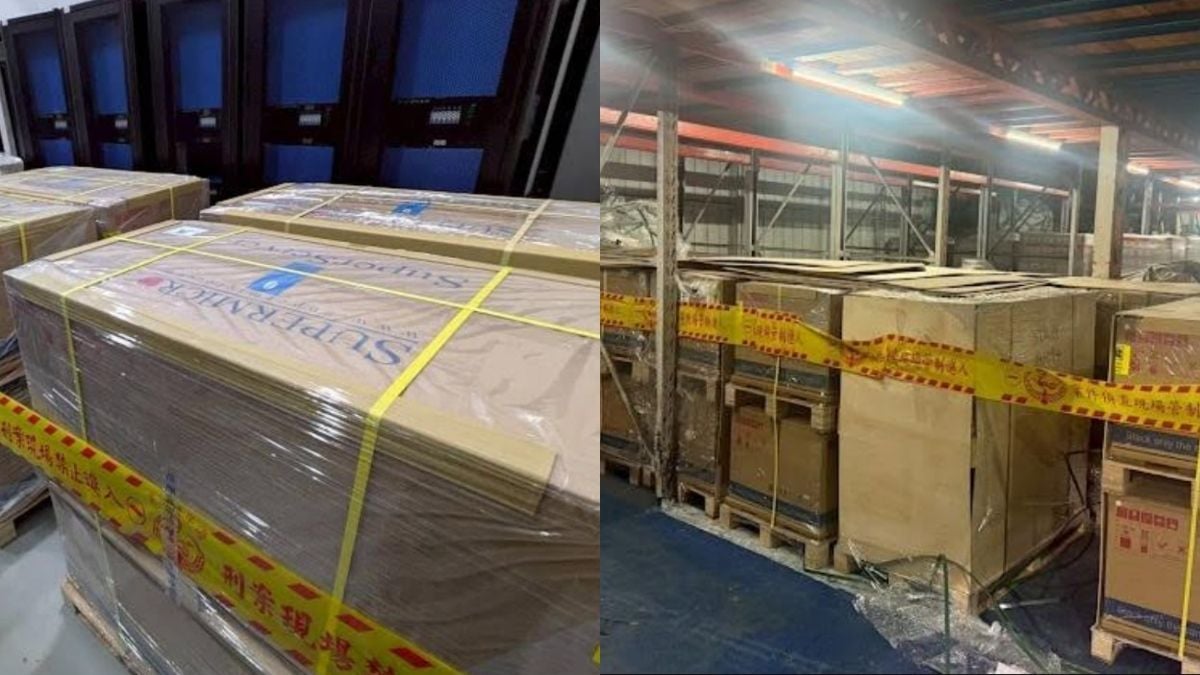
Since then, the sale of pig blood curd has been illegal, leading to high-profile enforcement actions against illicit importers in recent years.
In 2022, a woman was fined S$8,000 for the illegal possession and sale of pig blood curd. SFA stated that it regularly reviews its policies to ensure they remain relevant while maintaining the highest standards of food safety for the public.
Lianhe Zaobao reported that CP Foods Singapore (CPFS) will serve as the importer for these products.
Managing Director Yap Siew Fen stated that the company began discussions with SFA regarding the import of pig blood approximately two years ago.
The Bangkhla Pig Slaughterhouse already exports pork products to markets including Vietnam and Hong Kong.
The blood products destined for Singapore are heat-treated and packaged in a manner similar to boxed tofu, according to CPFS.
Yap Siew Fen estimated that it would take between one and two months for the products to reach Singaporean shelves. This timeline accounts for the processing of import documents, the establishment of sales channels, and the finalisation of packaging designs.
SFA emphasised that its stance aligns with various international regulatory bodies. These organisations have established similar standards to ensure that blood products are manufactured safely for human consumption without posing a risk of zoonotic disease transmission.