No evidence of cyberattacks in Singtel outages as authorities probe March disruptions: Josephine Teo
Singapore authorities are investigating three Singtel outages in March 2026 affecting over 600,000 users. Minister Josephine Teo said no evidence of cyberattacks has been found, while regulators assess causes, resilience gaps, and potential enforcement action.
- No evidence links Singtel outages between 16 and 18 March 2026 to cyberattacks
- Over 600,000 users affected, with causes including mechanical fault and software bug
- Regulators reviewing resilience standards and may take enforcement action

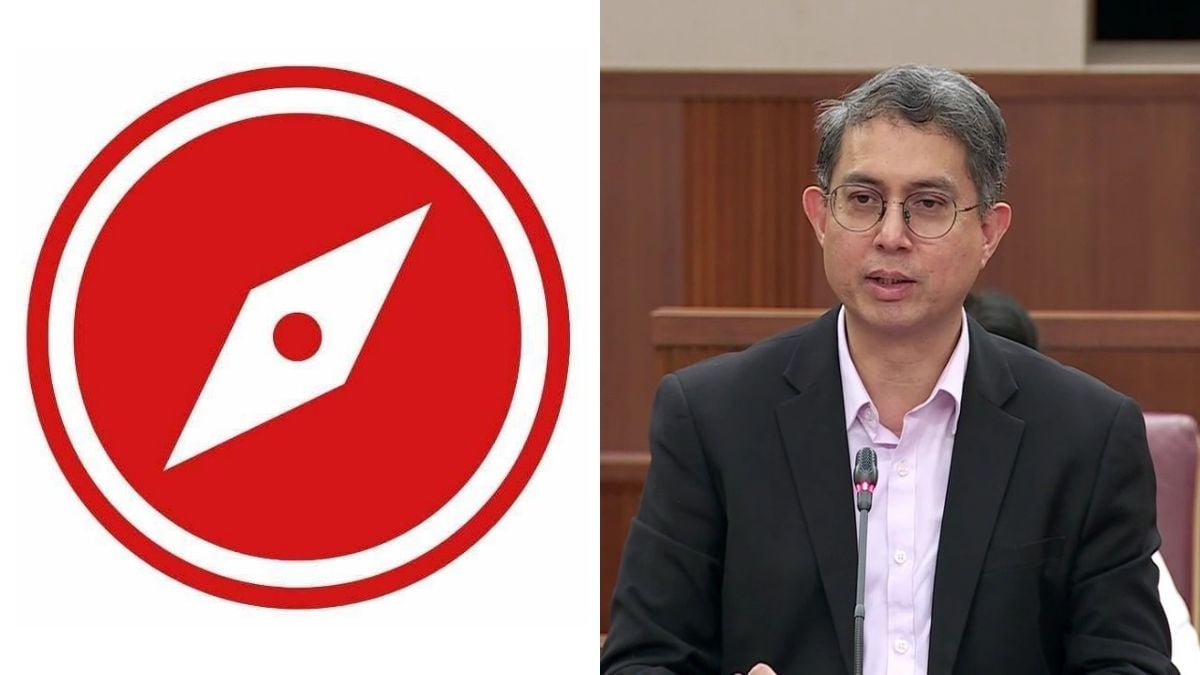
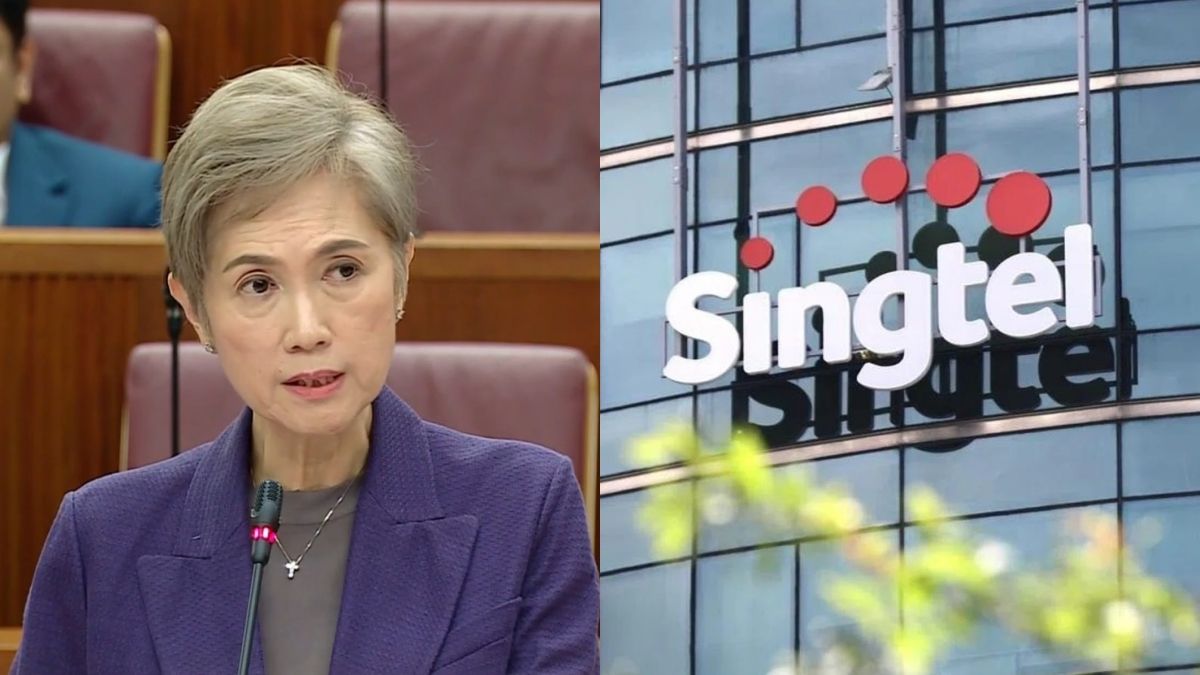
Singapore authorities have found no evidence that recent Singtel service disruptions were caused by cyberattacks, while investigations into the incidents remain ongoing, according to Minister for Digital Development and Information Josephine Teo.
Speaking in Parliament, Teo addressed multiple questions from Members of Parliament regarding three separate outages that occurred between 16 March 2026 and 18 March 2026.
“Between 16th and 18th March 2026, Singtel experienced difficulties with its mobile service network,” she said, outlining preliminary findings from investigations led by the Infocomm Media Development Authority.
Three separate incidents under investigation
The most significant disruption took place on 16 March 2026, affecting more than 600,000 Singtel mobile users.
The outage lasted approximately nine hours, with services gradually restored during that period. Investigations traced the incident to a mechanical fault at a network facility.
A second outage occurred on 17 March 2026, impacting around 2,000 users.
This disruption was attributed to a software bug arising from a planned IT system upgrade.
On 18 March 2026, a third incident caused intermittent connectivity issues during peak traffic hours.
The problem was resolved within about an hour and was linked to a spike in network traffic.
No signs of cyberattacks, but probe continues
Teo emphasised that investigations are still ongoing and cautioned against drawing premature conclusions about the incidents.
“I will not want to prejudge the outcome,” she said.
While the disruptions were initially assessed as unrelated, she added that “we don’t rule out entirely that the incidents are related in some way”.
However, she stressed that current findings do not point to malicious interference.
“There is no evidence to suggest that any of the incidents… were cyber related,” she said.
Authorities are continuing parallel cybersecurity investigations alongside telecom operators to ensure no threats have been overlooked.
Impact on essential services under scrutiny
Beyond identifying the causes, regulators are examining whether critical services were affected during the outages.
This includes emergency communications, which are considered essential under Singapore’s telecommunications framework.
“There are no such reports thus far,” Teo said, referring to disruptions to emergency services.
Nevertheless, she noted that the issue is being treated with seriousness as investigations continue.
Regulatory standards and possible enforcement
Telecommunications providers in Singapore operate under strict regulatory requirements, including the Telecommunications Act and the Telecommunications Service Resilience Code.
These rules mandate that service disruptions must typically be resolved within one hour, failing which operators may face enforcement actions, including financial penalties.
Providers are also required to maintain more than 99 per cent nationwide outdoor mobile coverage and conduct regular resilience audits.
“While disruptions cannot always be prevented, IMDA requires key service providers like Singtel to put in place robust measures to contain their impact and ensure speedy recovery,” Teo said.
She highlighted the importance of redundancy systems and failover mechanisms in maintaining service continuity.
Authorities indicated that enforcement action may be taken if investigations uncover any lapses in compliance with these standards.
Questions raised by Members of Parliament
West Coast-Jurong West GRC MP Ang Wei Neng queried Singtel’s decision to provide rebates to affected customers following the outages.
Teo clarified that the compensation was not mandated by regulators.
“This was done on Singtel’s own volition,” she said.
She added that mandatory compensation schemes for outages are uncommon globally, with market competition often driving operators to offer goodwill gestures.
Concerns over resilience and stress testing
Radin Mas GRC MP Melvin Yong raised concerns about whether telecom networks are adequately stress-tested under peak or adverse conditions.
In response, Teo confirmed that such testing is already part of regulatory requirements.
“The short answer… is yes,” she said.
However, she acknowledged that investigations may uncover weaknesses.
“As we complete the investigations, we may find that there are parts of a system where the stress testing is not as good as it needs to be,” she added.
Any identified gaps could lead to enhancements in regulatory benchmarks and operational practices.
Increasing complexity of telecom networks
Teo also highlighted the growing complexity of modern telecommunications systems, driven by rapid technological advancement.
“Telecom networks have become much more complex… from 3G to 4G to 5G,” she said.
She noted that networks must now support a wide range of applications, including emerging technologies such as artificial intelligence tools.
This evolution has increased both the technical challenges for operators and the expectations of consumers and businesses for reliable connectivity.
Proposals for improved resilience and communication
Several MPs suggested measures to strengthen telecom resilience and improve public communication during outages.
One proposal involved enabling automatic switching between telecom networks when disruptions occur.
Teo said such solutions are under study but cautioned that they may not address all scenarios.
“It depends on which part of the network has gone down,” she explained.
She added that implementation costs and consumer willingness to pay would also need to be considered.
Another concern raised was the lack of timely information during outages.
A proposal was made to establish a live outage register, similar to systems used in other countries.
Teo acknowledged that current information is often crowdsourced through platforms such as DownDetector.
“Service providers can certainly improve the timeliness of their updates,” she said.
IMDA will assess communication practices as part of its broader investigation.
Debate over compensation and penalties
Concerns were also raised about whether existing penalties and voluntary rebates adequately compensate affected users.
Aljunied GRC MP from the Workers' Party Gerald Giam highlighted that goodwill rebates of between S$5 and S$10 may not reflect the actual losses experienced by individuals and businesses.
He noted that regulatory fines are directed to the consolidated fund and do not directly benefit affected consumers.
Teo responded that some corporate customers already have contractual compensation arrangements, though these vary.
She reiterated that mandatory compensation schemes are rare internationally, with limited examples in countries such as the United Kingdom and Germany.
Authorities will review suggestions raised by MPs as part of ongoing policy considerations.
Performance trends and room for improvement
Despite the recent disruptions, Teo presented data indicating overall improvements in network reliability over time.
Average annual incidents declined from eight between 2016 and 2020 to six between 2021 and 2025.
Similarly, average outage durations decreased from around eight hours to approximately six and a half hours.
“Is there room for improvement? The answer is yes,” she said.
IMDA is expected to publish its findings once investigations are complete and will take regulatory action if necessary.