Singapore will not negotiate over Strait of Hormuz passage ‘as matter of principle’: Vivian Balakrishnan
Singapore cannot negotiate passage or pay tolls for ships in the Strait of Hormuz, Foreign Minister Vivian Balakrishnan says, citing international law and freedom of navigation under UNCLOS.

- Singapore will not negotiate tolls or passage rights through the Strait of Hormuz for principle reasons.
- Freedom of navigation is a legal right under UNCLOS, applying to all international straits.
- Singapore monitors vessels closely and explores safe transit options without breaching international law.

Singapore cannot engage in negotiations with Iran over passage through the Strait of Hormuz as a matter of principle, Foreign Minister Vivian Balakrishnan told Parliament on 7 April 2026.
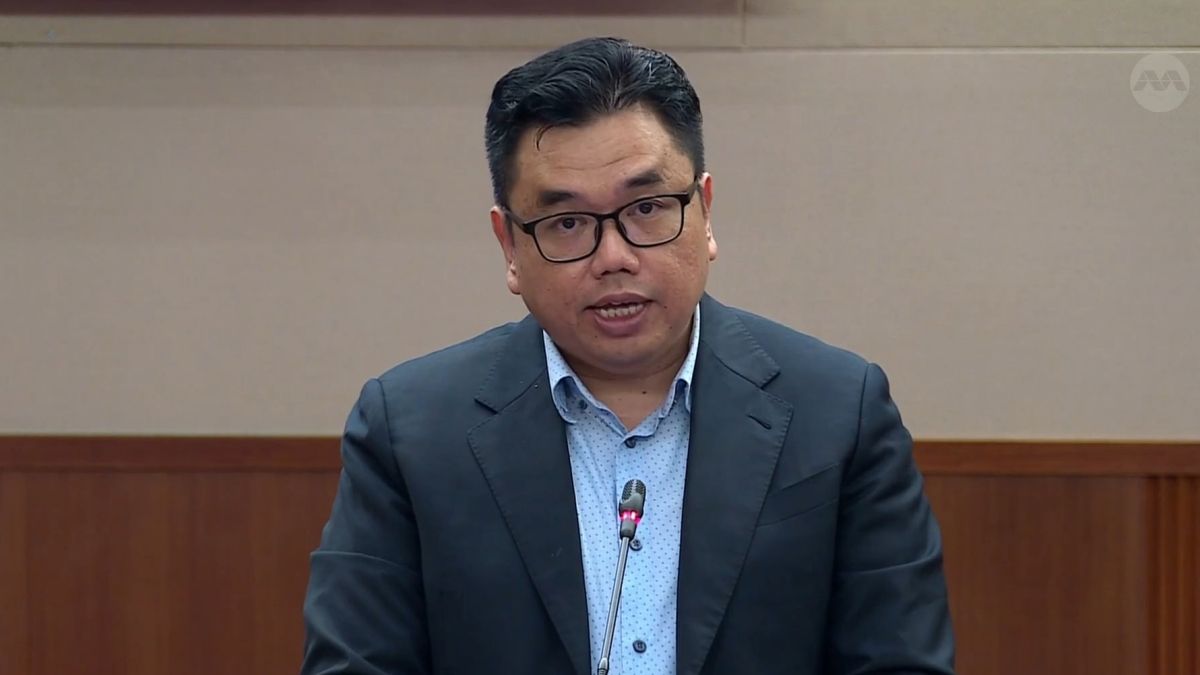
He responded to a question from Workers’ Party MP Fadli Fawzi, who asked whether the Government was engaging Iranian authorities to secure transit for Singapore-flagged vessels and whether Singapore would consider paying a toll to pass through the strait.
Dr Balakrishnan emphasised that freedom of navigation is a right under international law, not a privilege to be granted by bordering states.
Freedom of navigation enshrined in law
“Singapore's position on straits used for international navigation is longstanding and consistent,” Dr Balakrishnan said.
“The Straits of Hormuz, just like the Straits of Malacca and the Straits of Singapore, are examples of straits used for international navigation. It is so now, no ifs, no buts, no questions as far as we're concerned.”
He cited the United Nations Convention on the Law of the Sea (UNCLOS) as providing a clear legal framework.
“There is a right of transit passage. It’s not a privilege to be granted by the bordering state. It is not a toll to be paid. It is a right of all nations’ ships to traverse.”
Dr Balakrishnan also referenced customary international law to underline the universality of this right.
“This is not a get-out-of-jail-free card for states that have not ratified UNCLOS. The principle still applies,” he said.
Monitoring and safety measures
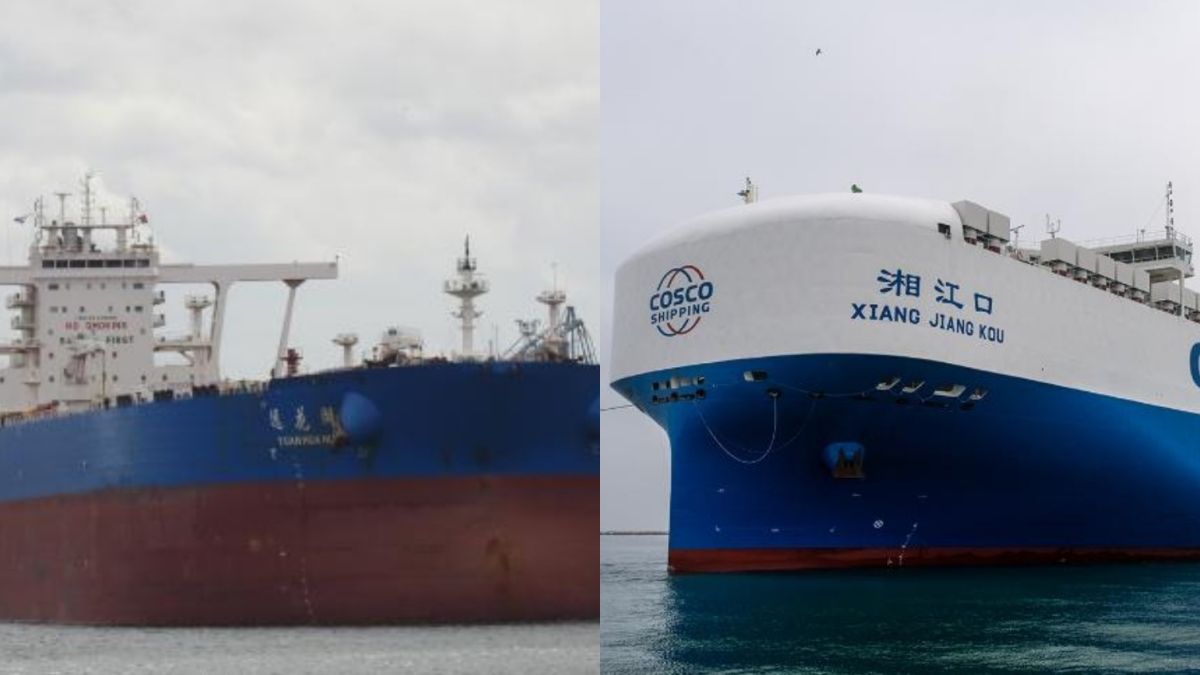
While Singapore will not negotiate tolls, the Maritime and Port Authority of Singapore (MPA) continues to monitor Singapore-flagged and registered vessels in the Persian Gulf closely.
“Our agencies are engaging with stakeholders to explore potential opportunities to facilitate safe transit of the ships,” Dr Balakrishnan said.
He highlighted that humanitarian considerations are also central to Singapore’s approach, including coordination with the International Maritime Organization (IMO) and member states on establishing potential safe maritime corridors following the 36th Extraordinary Session of the IMO Council.
Regional counterparts are also consulted on other possible arrangements to ensure vessel safety.
Geopolitical context and principle
Dr Balakrishnan stressed that Singapore’s strict stance is rooted in both law and geography.
“The Straits of Malacca and the Straits of Singapore are critical choke points.
More oil and container trade flows through these straits than even the Straits of Hormuz,” he said, noting the narrowest points of the Straits of Hormuz and Singapore are 21 nautical miles and less than two nautical miles respectively.
“To your specific question, yes I have engaged with the Iranian foreign minister before the war and yes, I will engage him in the near future. But as a matter of principle, and not because we’re taking sides, I cannot engage in negotiations for safe passage of ships or negotiate on toll rates, because to do so would be implicitly eroding this legal principle,” he said.
Dr Balakrishnan also outlined broader strategic considerations.
“The world has become more violent and volatile. Even in this digital age, choke points and physical delivery still matter. Singapore cannot be an oasis of safety if conflict surrounds us. There is an insurance premium to be paid,” he added.
Fadli Fawzi earlier had asked: “Will Singapore be open to paying a toll to pass through the Strait of Hormuz?”
Dr Balakrishnan in response reiterated Singapore’s principle-based foreign policy.
“We are upholding international law, not taking sides,” he said. “International law is the constitution of the oceans. Freedom of navigation is a right and not a privilege for ships and planes. This is of profound importance to Singapore.”
Singapore continues to work at international and regional levels to ensure safe passage.
Dr Balakrishnan highlighted engagement with shipowners, operators, and regulatory agencies.
“We need to alert our people but not be alarmist. We have to walk that fine tightrope,” he said.