Indonesia and Singapore prepare ‘Rising 60’ initiative ahead of 2027 diplomatic milestone
Indonesia and Singapore are preparing a “Rising 60” initiative ahead of the 60th anniversary of diplomatic relations in 2027, with both countries seeking to deepen cooperation in energy, food security and sustainable industrial development while reaffirming ASEAN unity amid global uncertainty.

- Indonesia and Singapore launched preparations for the “Rising 60” initiative ahead of their 2027 diplomatic milestone.
- Both countries plan to expand cooperation in clean energy, food security, and sustainable industry.
- The ministers reaffirmed support for ASEAN unity amid global uncertainty.

Indonesia and Singapore are preparing the “Rising 60” initiative to mark 60 years of diplomatic relations in 2027, as the two Southeast Asian neighbours seek to refresh their strategic partnership and set a new direction for cooperation over the coming decade.
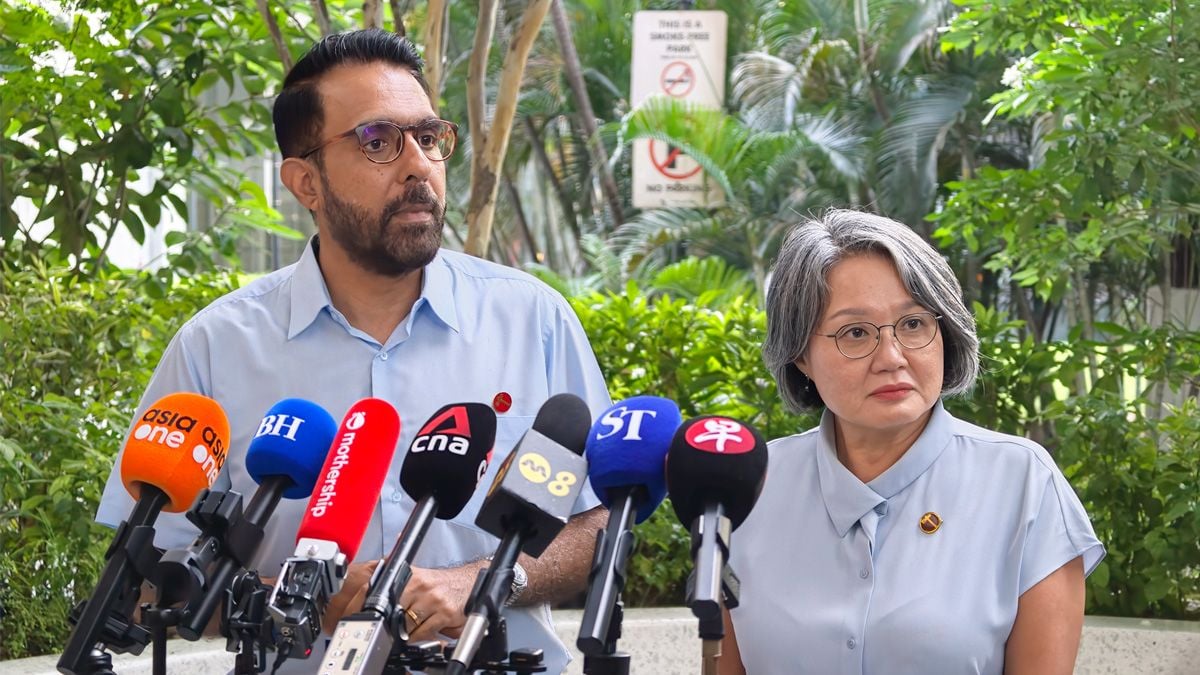
Speaking during a joint press conference with Singapore Foreign Minister Vivian Balakrishnan at the Pancasila Building of Indonesia’s Foreign Ministry in Jakarta on Tuesday, 12 May, Indonesian Foreign Minister Sugiono said bilateral ties over the past six decades had been anchored on “strategic trust, mutual benefit, and shared goals”.
“Rising 60 is more than just a diplomatic commemoration. It is an opportunity to refresh our partnership for the next few decades and to establish a new strategic direction for both countries,” Sugiono said.
The meeting formed part of preparations for the Indonesia–Singapore Leaders’ Retreat 2026 and the lead-up to the anniversary celebrations in 2027, according to Indonesia’s Foreign Ministry.
Focus on energy and industrial cooperation
Sugiono said both countries reviewed progress on several cooperative initiatives that would be further discussed during the upcoming Leaders’ Retreat, including cross-border electricity trade, sustainable energy development and energy investment.
He said the initiative was expected to become “one of the region’s largest sustainable electricity projects”.
The two countries also agreed to expand cooperation in agribusiness and technology to strengthen food security and regional supply chains.
In the industrial sector, Indonesia and Singapore will continue developing the Batam-Bintan-Karimun and Kendal industrial parks in Central Java, while exploring the joint expansion of sustainable industrial zones and Special Economic Zones.
“This is not just an economic project, but also an opportunity for both countries to provide more job opportunities, create chances, and improve the welfare of the people,” Sugiono said.
In a post on X following the meeting, Sugiono said “RISING 60 in 2027 will not only commemorate a milestone in our relations, but also serve as a platform to re-energise and shape our partnership for the decade ahead”.
Singapore highlights confidence in Indonesia
Balakrishnan said bilateral relations between the two countries remained “in excellent health” and noted that Singapore had been Indonesia’s largest foreign investor for more than a decade.
According to Indonesia’s Foreign Ministry, Singapore recorded investments worth US$17.4 billion in Indonesia in 2025, while bilateral trade reached US$32.86 billion.
“This reflects Singapore’s trust and belief in Indonesia’s long-term economic strength,” Balakrishnan said.
He added that Indonesia possessed significant energy potential, including solar, geothermal and hydroelectric power resources.
“In fact, I see Indonesia as a powerhouse in the energy sector,” he said, adding that Indonesia’s resources could complement Singapore’s position as a regional centre for technology and infrastructure financing.
Indonesia’s Foreign Ministry also said 1.52 million Singaporean tourists visited Indonesia in 2025, reflecting what it described as the strong connectivity between the two countries.
ASEAN unity amid global uncertainty
Beyond bilateral cooperation, the two ministers reaffirmed their commitment to maintaining ASEAN unity and centrality amid increasing geopolitical uncertainty.
The ministers cited concerns over global instability, including pressure on strategic energy and trade routes as well as the impact of Middle East conflicts on energy supplies and global supply chains.
Indonesia’s Foreign Ministry said ASEAN “must continue to be an anchor of stability” while ensuring the region remains open, stable and connected.
The meeting, the ministry added, reaffirmed Indonesia’s and Singapore’s commitment to deepening “an adaptive, future-oriented strategic partnership” that contributes to regional stability and prosperity.