US launches second round of airstrikes on Iran as Tehran hits Bahrain and Kuwait
The US military struck Iranian military targets for a second consecutive day after a drone attack on a Qatari-linked oil tanker, as Iran retaliated by launching missiles and drones at US bases in Bahrain and Kuwait, threatening the fragile interim deal between Washington and Tehran.
- US strikes Iranian military targets for a second day after drone attack on Qatari-linked oil tanker.
- Iran retaliates with ballistic missiles and drones targeting US bases in Bahrain and Kuwait.
- Trump warns US may be forced to "militarily complete the job", imperilling the interim ceasefire deal.

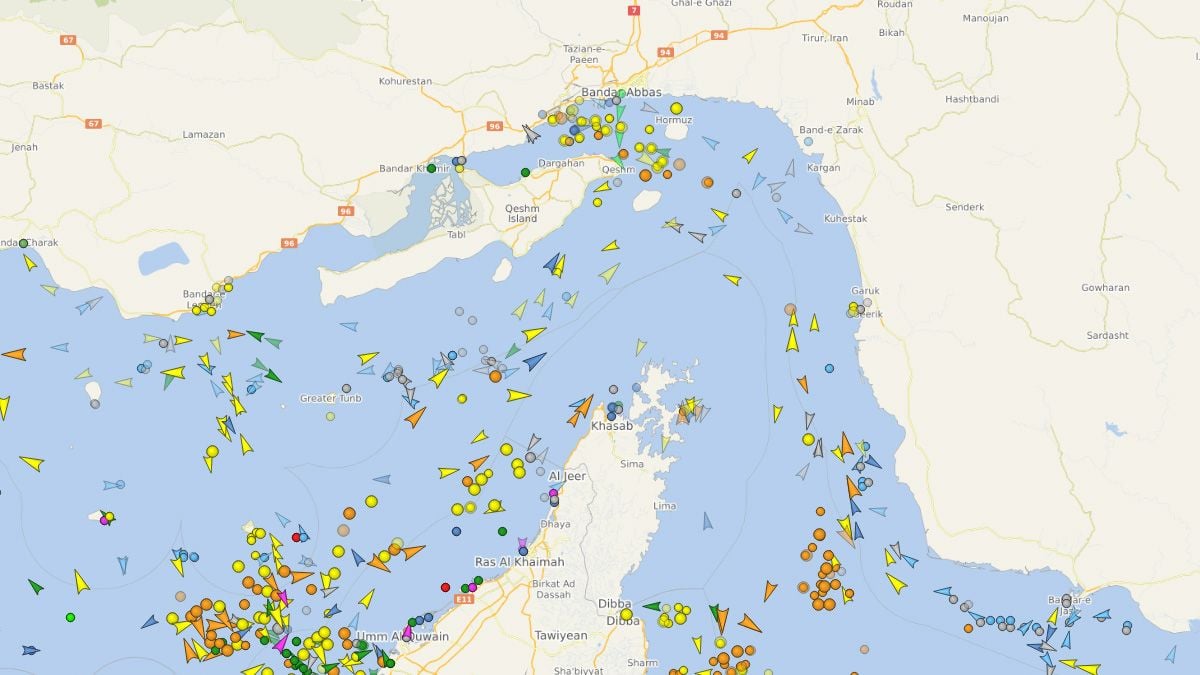
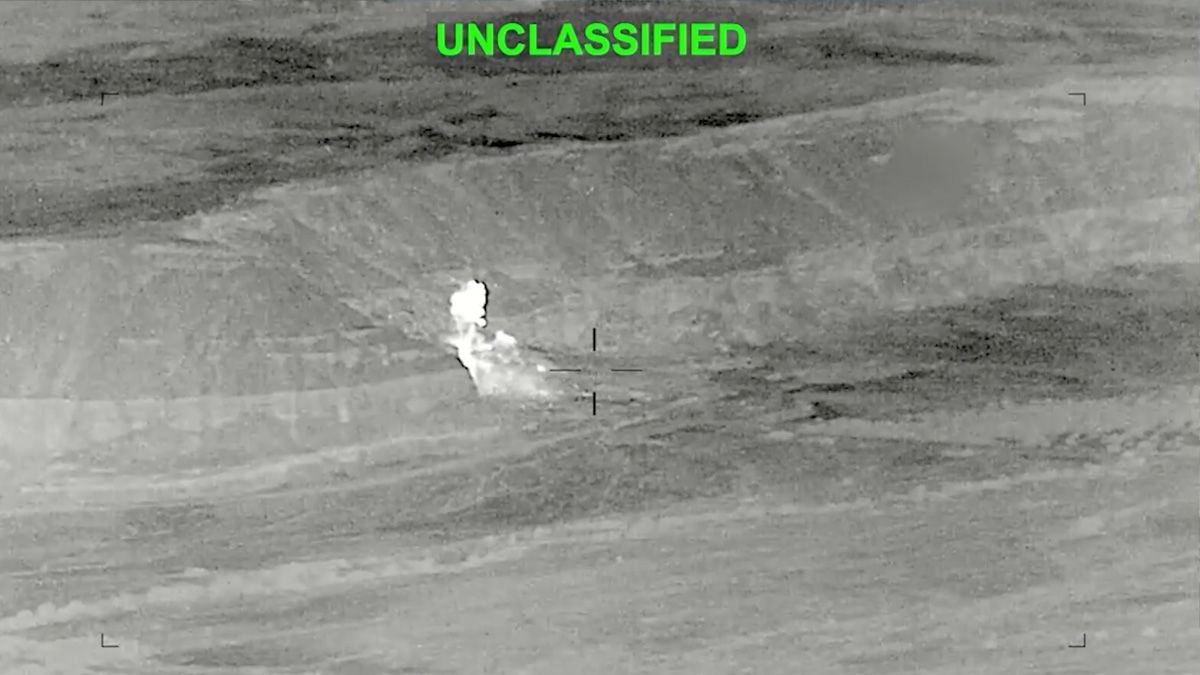
The United States military launched a second consecutive round of airstrikes on Iran early Sunday, targeting surveillance infrastructure, communication systems, air defence sites, drone storage facilities, and minelayer capabilities near the Strait of Hormuz.
Iran retaliated by striking US military bases in Bahrain and Kuwait with ballistic missiles and drones, threatening to collapse the interim ceasefire deal signed less than two weeks ago.
The escalation, described by analysts as the worst military confrontation between Washington and Tehran since the signing of the memorandum of understanding (MoU), has its roots not only in competing military actions but in a fundamental contradiction between what Trump publicly promised the world about the deal and what Iran says it actually agreed to.
Trump's toll promise and its consequences
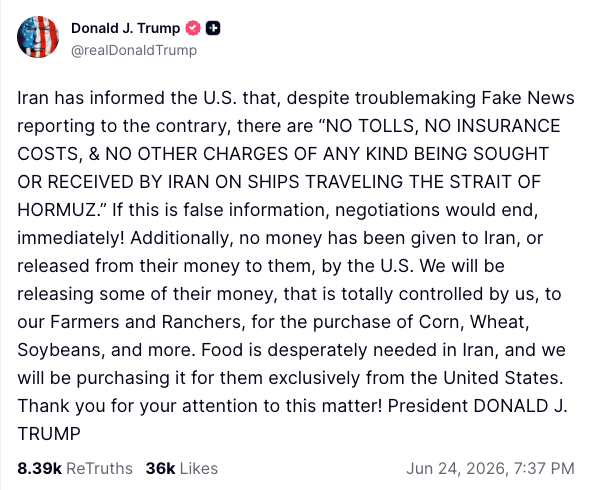
On 24 June, two days after the MoU was signed in Islamabad, Trump posted on Truth Social that Iran had assured him there would be "no tolls, insurance costs, or charges of any kind" for ships transiting the strait. He presented this as a core achievement of the interim deal, framing the waterway as freely open to international shipping.
But that assurance appeared to contradict a joint statement issued by Iran and Oman on 22 June — the same day the MoU was signed — in which the two countries said they would begin work on a navigation services agreement for the strait, including "costs associated with them in accordance with international standards."
Ships subsequently began using an alternative Omani coastal route, apparently operating on the assumption that the strait was free and open as Trump had described. It was one such vessel — the Panamanian-flagged tanker Kiku, carrying Qatari crude oil — that Iran attacked early Saturday morning, triggering the latest round of US strikes.
Iran's position is that the Kiku was violating the MoU by transiting without Iranian coordination. The US position is that Iran violated the MoU by attacking it. Both sides cannot be correct — and the contradiction traces directly back to whether Trump's public characterisation of the deal accurately reflected what was agreed in Islamabad.
Hassan Ahmadian, an associate professor at the University of Tehran, told Al Jazeera that Washington appeared to be "trying to find its way out of this memorandum of understanding, while obliging Iran to its end of the terms." Abas Aslani of the Centre for Middle East Strategic Studies said the US was trying to pressure Iran "by force" to return the strait to pre-war conditions — something Tehran considers unacceptable under the terms it signed.
What Article 5 of the MoU says
Article 5 of the MoU states that Iran will make arrangements "using its best efforts for the safe passage of commercial vessels with no charge for 60 days only" and commits Tehran to dialogue with Oman "to define the future administration and maritime services in the Strait of Hormuz, in discussion with other Persian Gulf littoral states."
Iran's IRGC interprets this as granting Tehran authority over coordinated transit through the strait during the 60-day period, and has warned that ships transiting without Iranian authorisation "will be dealt with more forcefully than in the past." The US and Gulf Arab states reject that reading, insisting the strait remains an international waterway.
The Joint Maritime Information Center, overseen by the US Navy, announced Saturday that it would expand the Oman coastal route to allow both inbound and outbound commercial traffic — a direct challenge to Iran's insistence on coordinating all strait passage.
Tit-for-tat strikes escalate
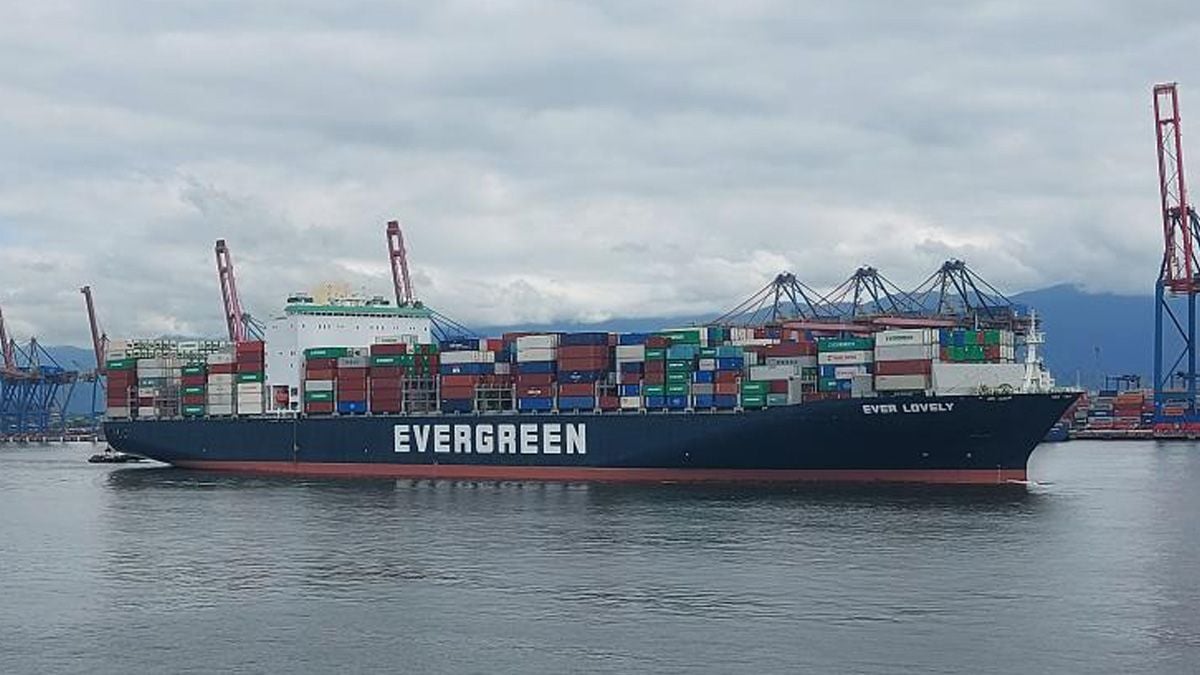
The current military cycle began on 25 June when the Taiwanese-operated Ever Lovely was struck off Oman by a suspected Iranian drone. The US bombed Iranian missile and drone storage sites and coastal radar positions on 26 June.
Iran retaliated on 27 June with attacks on US forces in the region, while another tanker was struck in the strait. The US then launched a second round of strikes before Iran escalated further on 28 June, targeting Bahrain and Kuwait.
US Central Command said its latest strikes hit Iranian "surveillance infrastructure, communication systems, air defence sites, drone storage facilities, and minelayer capabilities." Iran's state media reported explosions in the city of Sirik, on Qeshm Island, and in Bandar-e Lengeh in Hormozgan province.
Kuwait's military confirmed its air defences had intercepted incoming Iranian drones and missiles. Bahrain, home to the US Navy's Fifth Fleet, activated air raid sirens for a second consecutive day. A US official told Reuters no casualties or major damage to US facilities had been confirmed, though the situation remained fluid.
Trump threatened further military action in a Truth Social post, warning of a point where the US may be "no longer able to be reasonable" and would be "forced to militarily complete the job." He added: "If that happens, the Islamic Republic of Iran will no longer exist!"
Iran condemns attacks, warns of 'crushing response'
Iran's Ministry of Foreign Affairs condemned the US strikes as "brutal attacks" that violated the ceasefire, adding that they showed Washington "does not place the slightest value and credibility on its commitments." The IRGC warned that any further "enemy aggression" would be met with a "crushing response" and cautioned that continued US attacks would result in "a complete halt to the processes."
Iranian Foreign Minister Abbas Araghchi departed for Baghdad on Sunday to meet senior Iraqi officials to discuss bilateral relations and regional developments.
Gulf states condemn Iranian strikes
Bahrain's Foreign Ministry issued its "strongest condemnation" of Iran's ballistic missile and drone attacks, calling them a violation of the Gulf nation's sovereignty and an attempt to undermine "opportunities for de-escalation and stability in the region." It called on the UN Security Council to hold an emergency meeting.
Oman, Qatar, Kuwait and the United Arab Emirates all condemned the drone strike on Bahrain earlier in the week. Bahrain had just hosted US Secretary of State Marco Rubio for a Gulf Cooperation Council foreign ministers' meeting, which ended with a joint call for Iran to cease attacks and for the strait to be fully open.
Congressional pushback
Democratic Congressman Ro Khanna said the US strikes on Iran "are a blatant violation of the War Powers Resolution" passed by Congress this week. The resolution, passed by the Senate 50–48, directs the president to remove US forces from hostilities with Iran unless explicitly authorised by Congress. "Trump must stop this war now — or we will take him to court to compel him to do so," Khanna said.
US Vice President JD Vance, who has been leading negotiations with Tehran, said on Friday that if there were disputes over the MoU, Iran should "pick up the phone", adding that "violence will be met with violence."
As of Sunday, there was no confirmed direct communication between US and Iranian officials.
The broader deal at risk
Under the MoU, both sides have 60 days to negotiate a comprehensive agreement covering Iran's nuclear programme, its stockpile of highly enriched uranium, and the situation in Lebanon — where ending hostilities between Israel and Hezbollah is a key condition.
Israel bombed southern Lebanon on Saturday, a day after signing a separate framework agreement with the Lebanese government, killing at least one person and drawing condemnation from Lebanese President Joseph Aoun.
The International Maritime Organization said it had halted a ship evacuation effort from the strait and would not resume until guarantees were in place that other vessels would not be attacked. About 115 ships have managed to transit out of the strait in recent days.
Whether the 60-day window survives depends, analysts say, on whether Washington and Tehran can agree on what they actually signed — a question that Trump's own public statements have made significantly harder to answer.