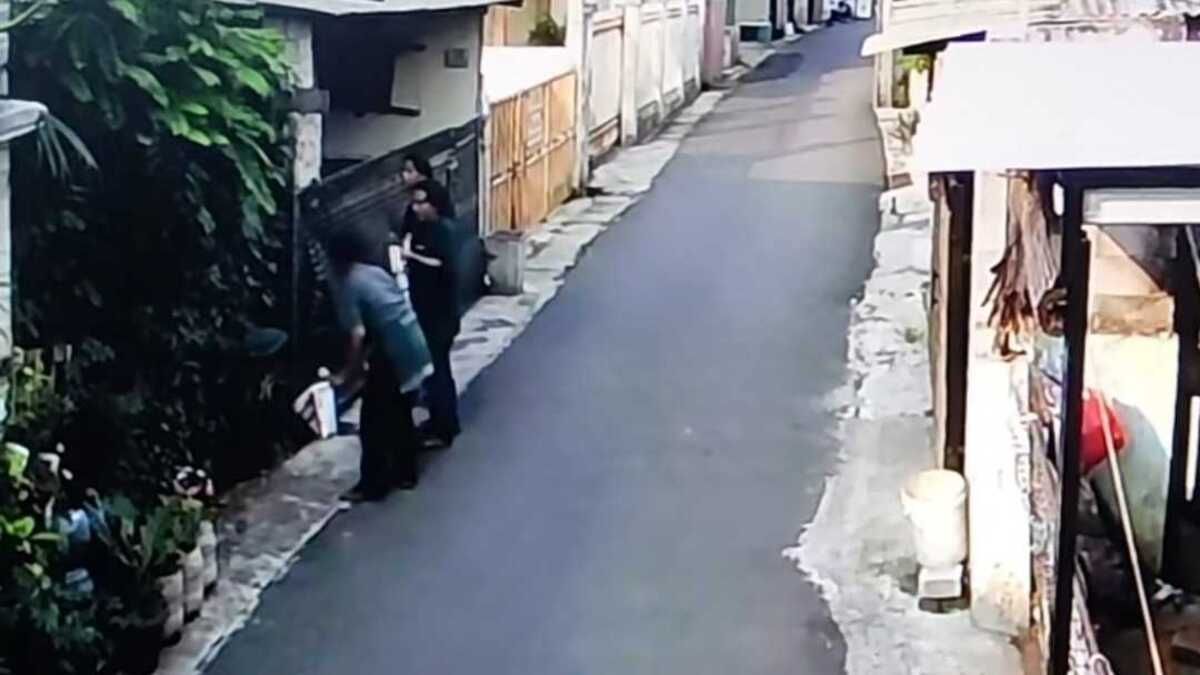
Riders point to a long-running "$3.21 stack order" controversy
When heavy rain hits Singapore, deliveries slow to a crawl. Customers blame riders. But many riders point to something else entirely: a flat $3.21 payout that doesn't move no matter how far they ride or how bad the storm gets.

by Bastion
Every time heavy rain hits Singapore, the same complaints flood social media and customer chats: Why is my order taking so long? Why is the rider not moving? Why are there so many stacked orders during bad weather?
But behind the scenes, many Foodpanda riders claim there is a deeper issue that customers rarely see — a long-running payout controversy that has quietly damaged morale across the fleet for years.
Among riders, it is commonly referred to as the "$3.21 issue."
The Rain Surge Promise vs Rider Reality
During rainy periods, Foodpanda frequently advertises rain surge incentives and multiplier bonuses designed to encourage riders to continue delivering in dangerous weather.
The message appears straightforward: higher demand, tougher conditions, higher payouts. Many riders say they initially accepted difficult rainy-day deliveries believing the multipliers would fairly compensate them for the flood risks, slippery roads, reduced visibility, lightning exposure, and significantly slower riding conditions they face.
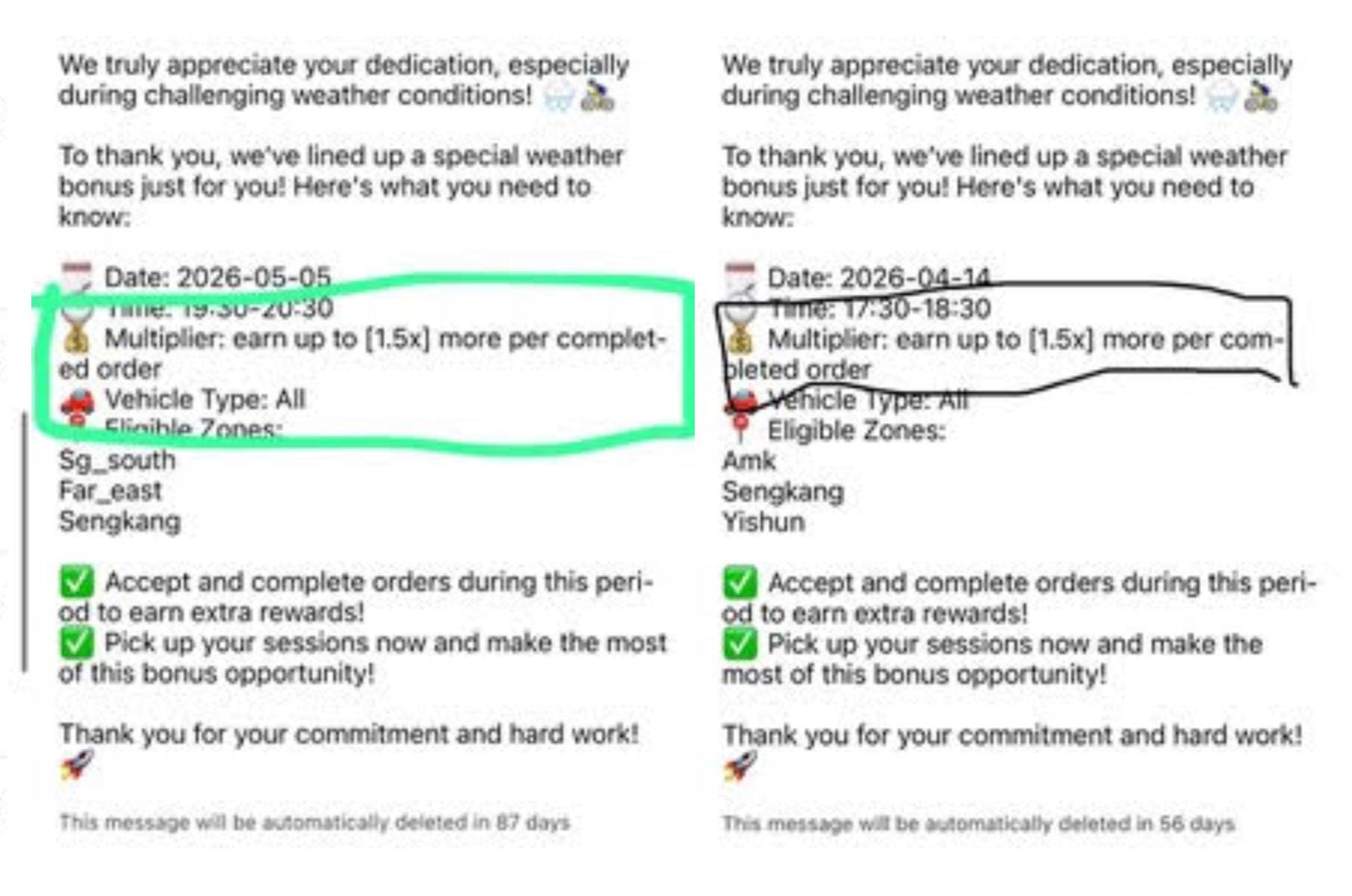
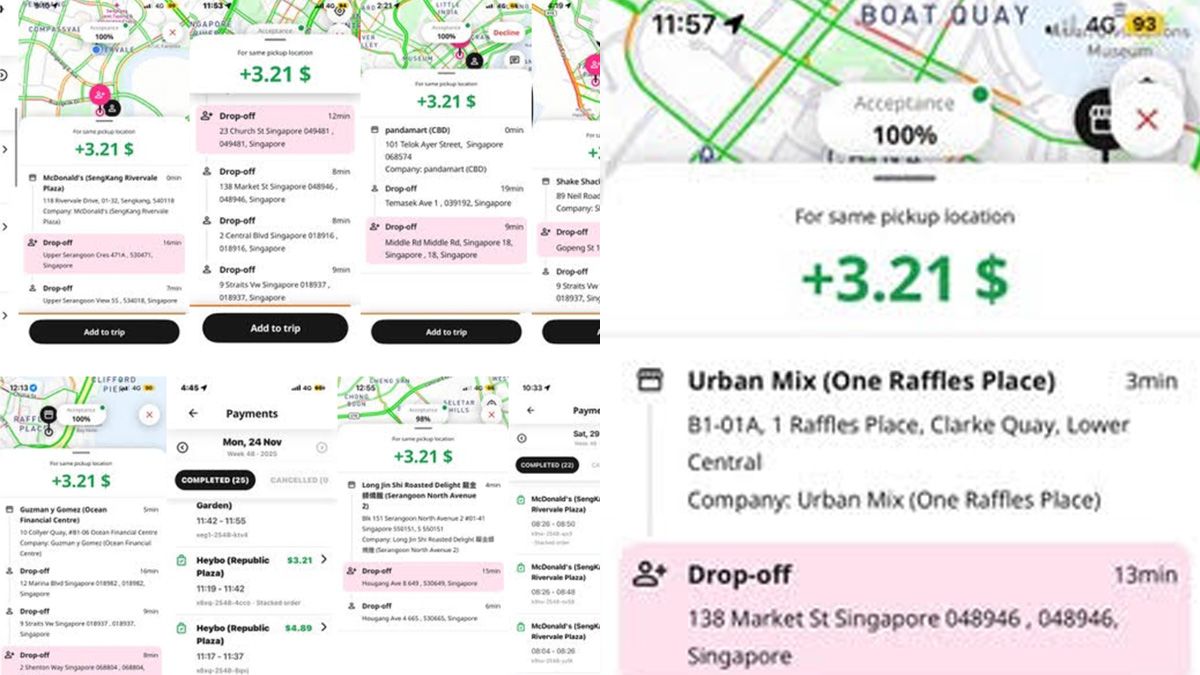
But according to numerous riders across unofficial Telegram and Facebook communities, the reality on the ground often feels very different. Many allege that despite rain surge multipliers being prominently displayed, stacked orders frequently appear to still result in a flat payout of $3.21 — regardless of delivery distance, routing complexity, or additional workload involved.
In practice, this means a short nearby stacked order and a significantly longer one spanning multiple locations can appear to pay nearly the same amount.
To riders risking accidents in storms, that number has become more than a figure on a screen. It has become a symbol of frustration, distrust, and burnout.
"Why Rush?"
Some riders are now openly asking: if the payout barely changes despite rain surge, stacked orders, and longer travel distances, why risk their safety by rushing? This uncomfortable question may go some way toward explaining why rainy-day deliveries sometimes become painfully slow.
Riders describe a range of responses to the situation — some reject low-paying stacked orders entirely, some wait for better jobs, while others admit there is simply little motivation to rush when the compensation does not appear to reflect the workload, distance, and safety risks involved.
When riders reject stacked orders repeatedly, the consequences ripple outward across the platform: orders bounce between riders, reassignment delays mount, food sits waiting at restaurants, and customers experience major delays.
Ironically, customers often blame riders directly, unaware that many riders believe the underlying payout structure is itself contributing to the problem.
The Stack Order Frustration
Stacked orders — where multiple customer deliveries are grouped together — sit at the heart of the grievance. Riders say these jobs dramatically increase waiting and riding time, require navigating multiple pickup and drop-off points, and become especially gruelling during storms, often covering significantly longer total distances.
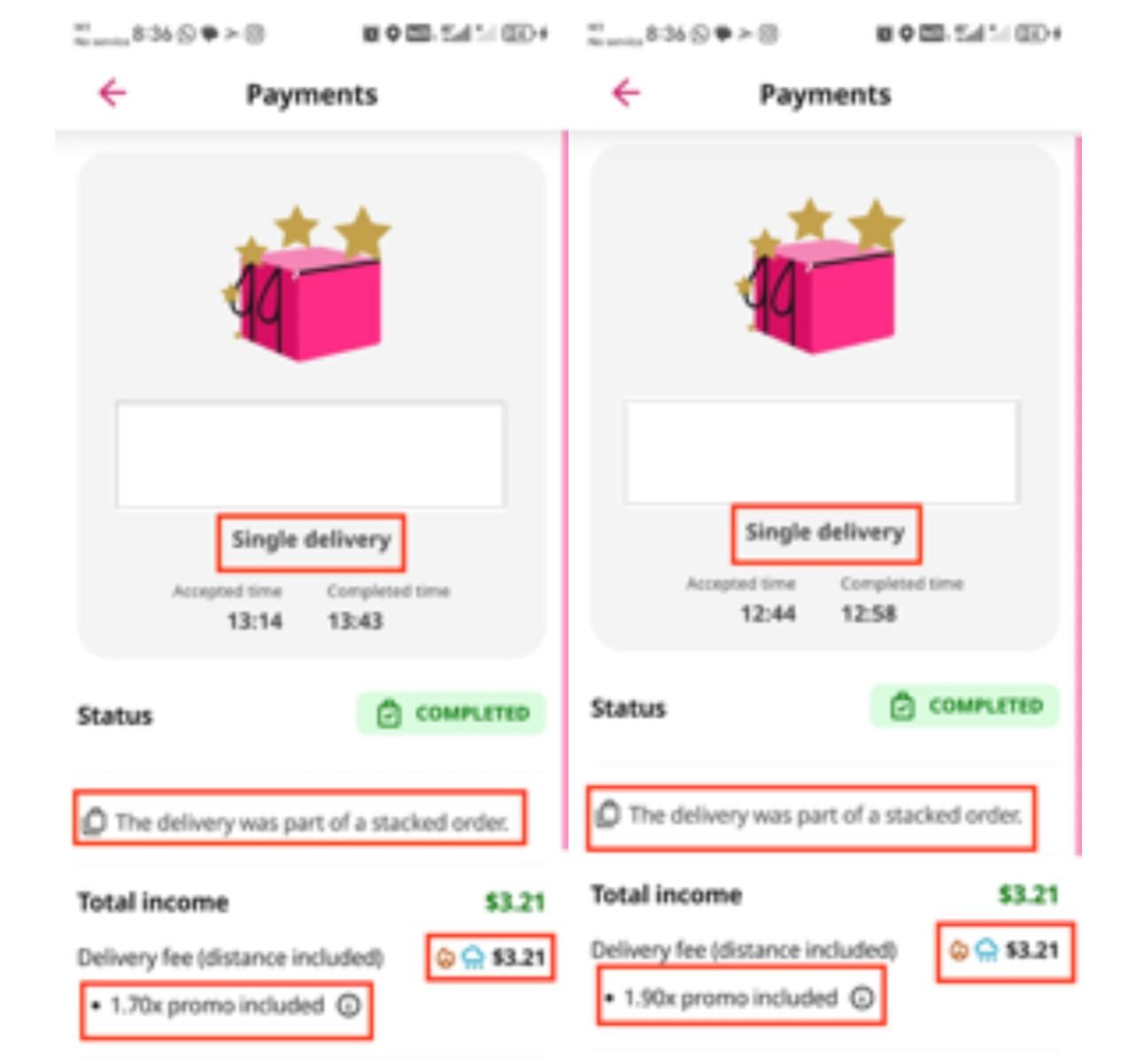
Yet many say the additional compensation remains anchored to the same $3.21 figure despite differing routes and workloads.
Compounding the frustration are confusing app classifications that riders say show completed jobs labelled as "Single delivery" while simultaneously indicating they were part of a stacked order.
For riders already questioning payout transparency, these inconsistencies have only deepened suspicion.
Years of Complaints, Few Answers
According to riders, none of this is new. Many claim the issue has been raised repeatedly over several years through support tickets, rider escalations, community discussions, and conversations involving the National Delivery Champions Association — yet clear explanations remain elusive.
Riders say they still cannot get straight answers on how rain surge multipliers are actually calculated, how stacked-order compensation works, why payouts often appear disconnected from actual travel distance, or why they frequently diverge from advertised incentives.
The result is growing distrust toward a system many say they cannot independently verify or understand.
A Question the Media Should Be Asking
As Singapore continues expanding protections for platform workers, journalists and media organisations should seriously examine whether unresolved payout transparency issues are quietly affecting rider morale, delivery efficiency, customer experience, and platform accountability.
Reporters should consider speaking directly with riders from the unofficial Foodpanda Telegram and Facebook communities where discussions about the "$3.21 issue" have reportedly persisted for years, and directing questions to the Ministry of Manpower, the National Delivery Champions Association, and Foodpanda itself.
The questions riders want answered are pointed ones:
Why do some riders perceive stacked-order payouts as repeatedly returning similar S$3.21 figures despite differing travel distances?
Are rain surge multipliers being transparently calculated? Has the issue ever been formally investigated?
And could unresolved payout dissatisfaction be indirectly driving the delayed deliveries and rider disengagement that customers are increasingly experiencing?
The Bigger Picture
For many riders, the "$3.21 issue" has grown into something larger than a single payout amount. It represents a widening disconnect between platform messaging and rider experience, deepening concerns over algorithmic transparency, and the feeling that riders are expected to absorb increasing risks and travel demands without any clear visibility into how their earnings are actually determined.
Until those questions are properly addressed, riders warn that customers may keep facing the visible consequences — slow deliveries, rejected orders, and an increasingly demoralised fleet.
Foodpanda's response on 22 May 2026
At foodpanda, our delivery partners are at the heart of our business and their welfare has always been our top priority. As a platform, we strive to balance the flexibility that delivery partners value with fair compensation, while continuing to invest in initiatives that support their welfare.
Stacked orders refer to cases where a delivery partner is assigned more than one order within the same trip for operational efficiencies. This may happen when there are multiple orders from the same vendor, or when deliveries are along a similar route.
For stacked orders, the order fee is not calculated in the same way as a standalone, single order. This is because part of the journey may already be covered under the first order.
Prior to accepting a delivery task, the expected earnings for each order is shown on the pandarider app, providing delivery partners the flexibility to choose to accept the task based on the displayed fee.
S$3.21 Payout is the Minimum Fee, Not an Earnings Cap
The S$3.21 amount applies to certain subsequent delivery legs within a stacked order. It is not an earnings cap. Instead, it is a guaranteed minimum fee for the additional delivery legs.
Where the calculated fee for the additional leg, including applicable incentives or multipliers, falls below S$3.21, foodpanda tops it up to this minimum. Where the calculated fee is above S$3.21, the higher amount is paid.
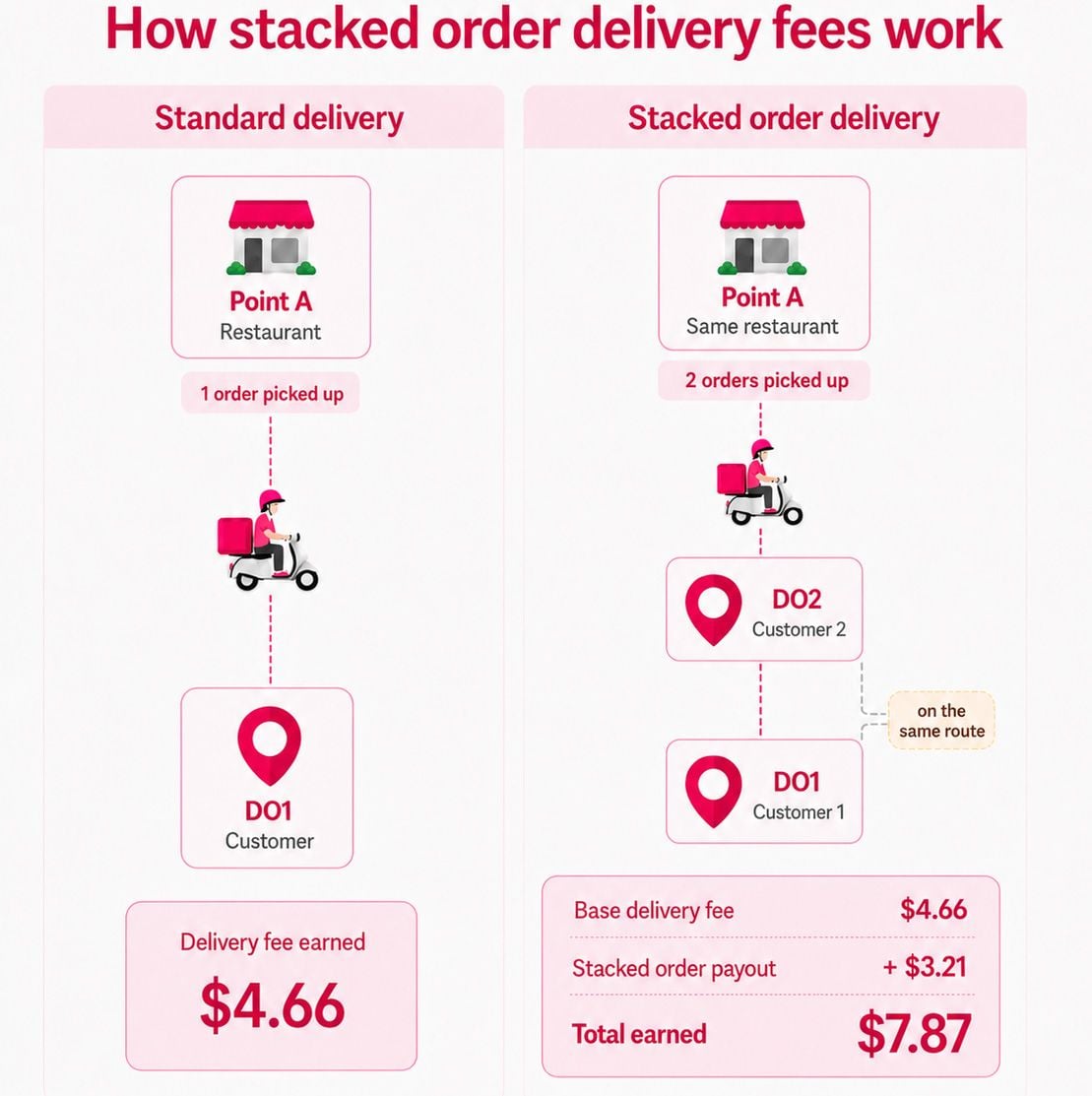
Infographic describing how stacked order delivery fees are applied in comparison to a non-stacke (standard) order.
Our Continued Commitment to Transparency
We acknowledge the concerns raised by delivery partners regarding stacked-order fees, and recognise the importance of providing clear information on how such fees are calculated. We will continue to review how this information is presented in the pandarider app as part of our ongoing efforts to strengthen the delivery partner experience.
We regularly assess our earnings structure to ensure it remains competitive, fair and commercially sustainable. Delivery partner feedback remains an important part of this process, and we will continue engaging them directly, and through regular dialogues with the National Delivery Champions Association (NDCA), on welfare, safety and earnings.