Chinese beauty influencer returns after 3-year break amid agency dispute, gains millions of followers
Chinese beauty influencer Jiang Chenglan has returned to social media after a three-year absence linked to a dispute with her former agency, rapidly gaining millions of followers and reigniting discussion over influencer account ownership in China.
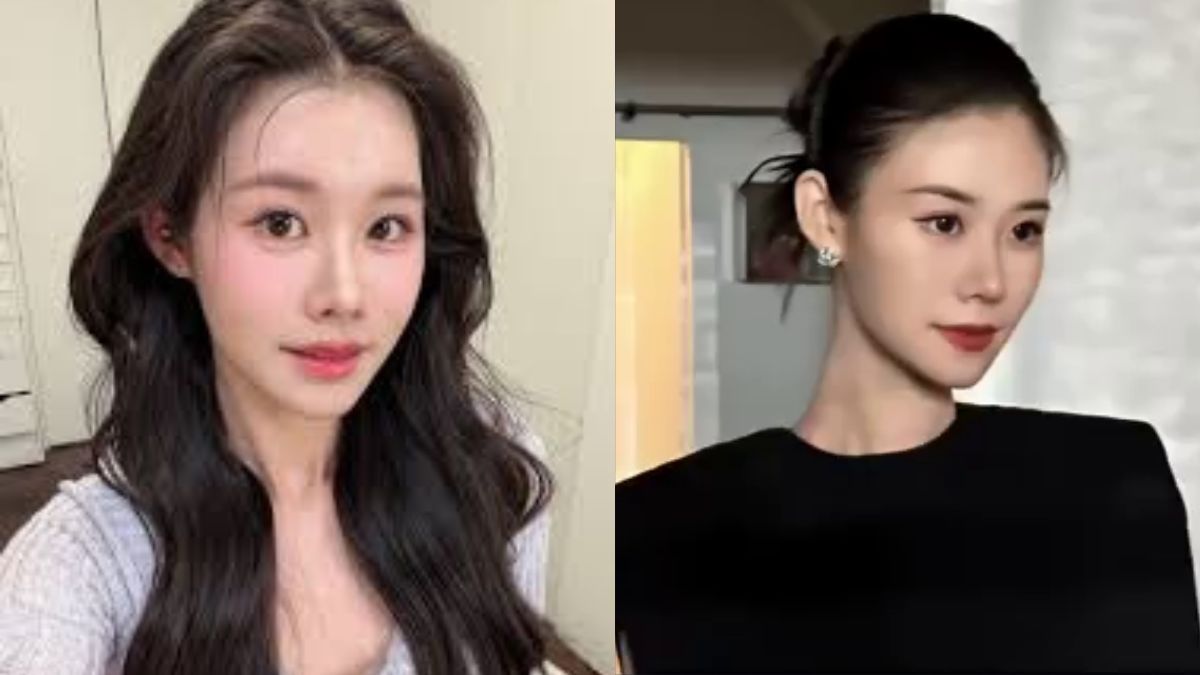
- Jiang Chenglan returned to social media on 13 May after a three-year absence linked to an agency dispute.
- The influencer reportedly gained more than 10 million followers within 24 hours of launching her new account.
- Her comeback has renewed attention on influencer account ownership and agency control in China.

Chinese beauty influencer Jiang Chenglan has returned to social media after a three-year absence, rapidly regaining millions of followers and drawing renewed attention to disputes over influencer identity and account ownership in China’s creator economy.
Jiang, previously known online under the handle 'chengshian', reopened her online presence on 13 May using her real name.
According to South China Morning Post and Chinese media outlet Sina, she attracted more than 10 million followers within 24 hours.
Her return quickly became one of the most discussed topics on Chinese social media, with cosmetic brands, influencers and longtime followers publicly welcoming her comeback.
In her first video since 2023, Jiang said her previous online alias and related accounts were no longer associated with her due to a dispute involving her former agency, Shanghai Jin Jia Company.
“My previous online alias, 'chengshian', belongs to this agent and has been registered as a trademark by them,” Jiang said in the video.
“The social media account under this name and the linked online shops are therefore not related to me any longer,” she added.
Jiang also urged followers not to place orders from shops connected to the previous account based on trust built during her earlier years online.
Rapid return draws public attention
Jiang’s comeback videos quickly gained traction across Chinese social media platforms.
A make-up tutorial uploaded on 14 May reportedly received more than 4.4 million likes within days, according to South China Morning Post.
The video featured Jiang demonstrating step-by-step daily make-up techniques while speaking in the calm instructional style that had previously helped her build a large following among women born in the 1990s and 2000s.
Before leaving social media in May 2023, Jiang had amassed a combined following of around 30 million across several major Chinese platforms.
She became known for practical beauty tutorials and affordable product recommendations, earning a reputation among followers for promoting products perceived as reliable and cost-effective.
Jiang was not associated with major controversies involving poor-quality products during her earlier years as an influencer.
Following her return, several domestic and international cosmetic brands publicly commented on her account, expressing interest in future collaborations.
Fans also shared nostalgic reactions online, with some users saying Jiang’s return reminded them of their early experiences learning make-up through social media tutorials.
Influencer disputes under scrutiny
Jiang’s return has also reignited discussion about the relationship between influencers and multi-channel network agencies, commonly known as MCNs, in China.
MCNs typically manage branding, marketing, advertising deals and platform growth for online creators. In some cases, agencies also control account operations, trademarks and e-commerce activities linked to influencers.
Jiang said her former online identity had been registered as a trademark by her agency, preventing her from continuing to operate under the same name after the dispute.
South China Morning Post did not provide details regarding any ongoing or concluded legal proceedings between Jiang and the agency.
Online discussions surrounding her comeback have focused heavily on questions of digital identity ownership and the extent of agency control over creators’ commercial brands.
Some social media users compared Jiang’s case to that of Chinese content creator Li Ziqi, who also stepped away from online platforms following a dispute involving her agency.
Li, widely recognised for pastoral-themed lifestyle videos, stopped uploading content in 2021 before briefly returning in late 2024.
Industry observers in China have increasingly highlighted tensions between creators and agencies as the country’s influencer economy continues expanding.
Jiang said she intends to continue producing beauty tutorials while also sharing personal reflections about life and growth in future videos.