UN rights chief says expanded US sanctions on Cuba are worsening shortages and child mortality
UN human rights chief Volker Türk has called for the immediate lifting of US sanctions on Cuba, warning that expanded restrictions are causing severe humanitarian consequences, including shortages of medicines, food and fuel, and contributing to preventable child deaths.
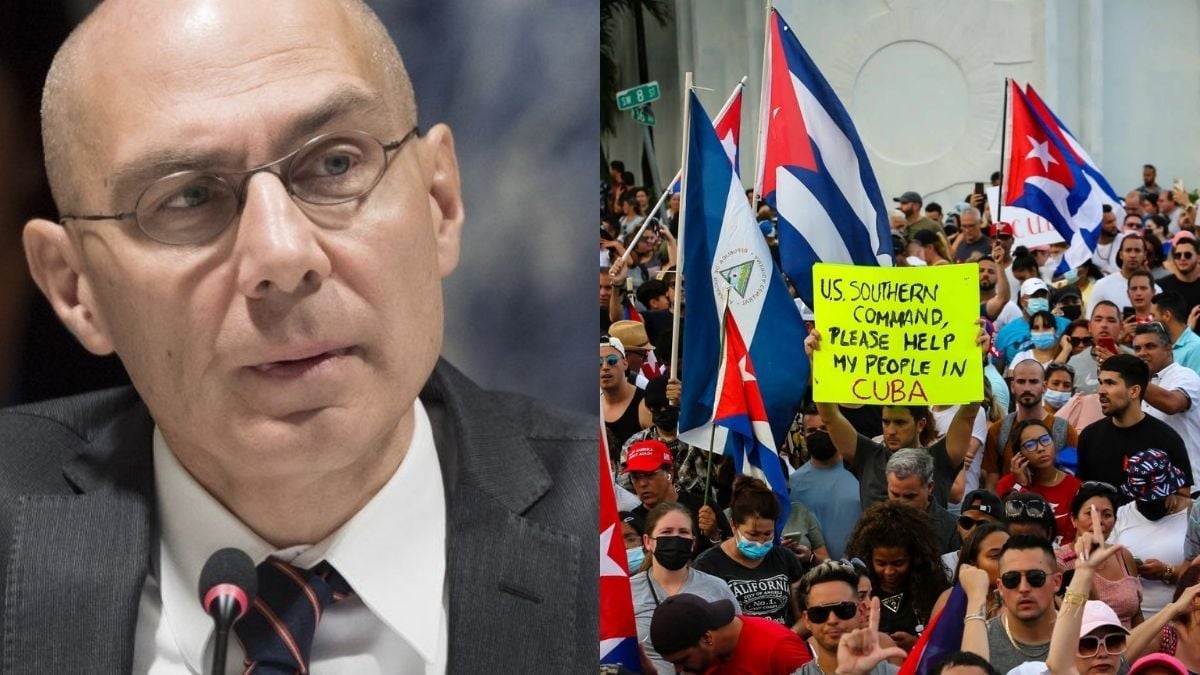
- Volker Türk said expanded US sanctions are causing severe humanitarian harm across Cuba.
- Fuel shortages, medicine scarcity and blackouts have strained healthcare and food production.
- Türk urged both sanctions relief and greater respect for civil liberties in Cuba.

United Nations High Commissioner for Human Rights Volker Türk has urged the United States to immediately lift its sanctions on Cuba, warning that the expansion of the measures is causing widespread harm to the population, disrupting access to essential supplies and services, and contributing to preventable deaths among children.
In a statement issued on Monday, Türk said fuel restrictions imposed since early 2026 and the recent tightening of extraterritorial sanctions were having severe consequences for ordinary Cubans, particularly vulnerable groups.
“The fuel restrictions imposed since early 2026 and recent tightening of extraterritorial sanctions, taken together, are directly harming Cubans, especially the most vulnerable. Children are dying because doctors lack access to essential medical supplies and medicines. This is unacceptable. These sanctions must be lifted immediately,” he said.
Humanitarian impact of sanctions
According to the UN human rights chief, the cumulative impact of the sanctions has affected all sectors of life in Cuba, particularly access to water, food and healthcare.
The situation worsened after the United States declared a national emergency in January, disrupting fuel shipments to the Caribbean nation and sharply reducing fuel reserves by mid-May. The depletion has resulted in daily blackouts that frequently exceed 20 hours.
Additional sanctions introduced in May, including measures with extraterritorial effects on traders, insurers, tourism and shipping companies, financial institutions and entities involved in Cuba’s energy, defence, mining, finance and security sectors, have further intensified the crisis.
Türk said critical medical services, including oncology, dialysis and maternal healthcare, were under severe strain.
Recent public health data cited by the UN showed that infant mortality had doubled to 9.9 deaths per 1,000 live births, while survival rates for children with cancer had fallen from 85 per cent to 65 per cent since the fuel restrictions were imposed.
Essential medicines are reportedly available at only around 30 per cent of normal supply levels, while fuel shortages have disrupted the distribution of medical supplies and affected agricultural production.
The shortages have contributed to a reported 60 per cent decline in food production and rising costs of basic food items.
Concerns over human rights and humanitarian operations
Türk said the broad impact of the sanctions raised serious human rights concerns.
“Such severe sanctions packages that target entire sectors of an economy and produce broad, indiscriminate, and harsh effects on populations are incompatible with basic principles of international human rights law,” he said.
The UN rights chief also warned that humanitarian operations were increasingly being affected. According to the UN, many private-sector actors have imposed restrictions beyond legal requirements because of concerns about sanctions, leading to procurement delays, shipping disruptions and uncertainty in humanitarian supply chains.
The suspension of services by major shipping companies due to risk aversion has affected more than 2,900 metric tonnes of humanitarian food cargo, the UN said.
“Cuba faces increasing isolation. Companies are leaving. Fewer airlines fly to the country. It is almost disconnected from international payment systems,” Türk said.
“Rising summer temperatures risk increasing the spread of vector-borne and waterborne diseases. The hurricane season further increases exposure. This creates a perfect storm for social and economic deterioration and suffering for the Cuban people.”
Türk also called on businesses and institutions to avoid what he described as overcompliance and blanket disengagement with Cuba, citing the UN Guiding Principles on Business and Human Rights.
Call for restraint in Cuba
Amid growing social and economic pressures, Türk urged Cuban authorities to exercise restraint and respect the rights to freedom of expression, association and peaceful assembly.
He also called on the Cuban government to release all individuals arbitrarily detained and to engage in dialogue and confidence-building efforts aimed at easing social tensions.
Reiterating his position in a post on X on Tuesday, Türk wrote: “The expansion of US sanctions against Cuba is hurting ordinary people and endangering lives. It is unacceptable that children are dying for lack of essential medical supplies. These sanctions must be lifted immediately.”
Trump administration expands pressure on Cuba
According to reports cited by Al Jazeera, the administration of US President Donald Trump has intensified pressure on Cuba in recent months.
Earlier this year, Washington sought to restrict foreign oil supplies to Cuba by cutting off oil shipments and funding from Venezuela.
Trump declared that Cuba constituted an "unusual and extraordinary threat" to US national security and threatened tariffs on countries supplying oil to the island.
In May, the United States announced sanctions against Cuba’s Ministry of the Interior, National Police and Intelligence Directorate.
The US government also imposed sanctions this month targeting Cuban President Miguel Díaz-Canel and members of his family, describing the measures as punishment for those “responsible for oppression” in Cuba.