Israel strikes Iran as missile exchange marks first direct clash since April ceasefire
Israel has launched airstrikes on Iran after Iranian missiles targeted northern Israel, marking the first direct military exchange between the two countries since the 8 April ceasefire and raising fears of a return to full-scale regional war.
- Israel struck Iran after Iranian missiles hit northern Israel, the first direct exchange since the 8 April ceasefire.
- Trump urged Netanyahu not to retaliate but Israel struck anyway, in apparent defiance of Washington.
- Yemen's Houthis fired at Israel and declared a complete ban on Israeli Red Sea shipping.

Israel has launched airstrikes on Iran after Iranian forces fired missiles at northern Israel on Monday, 8 June 2026, marking the first direct military exchange between the two countries since a ceasefire was reached on 8 April and raising fears of a return to full-scale regional war.
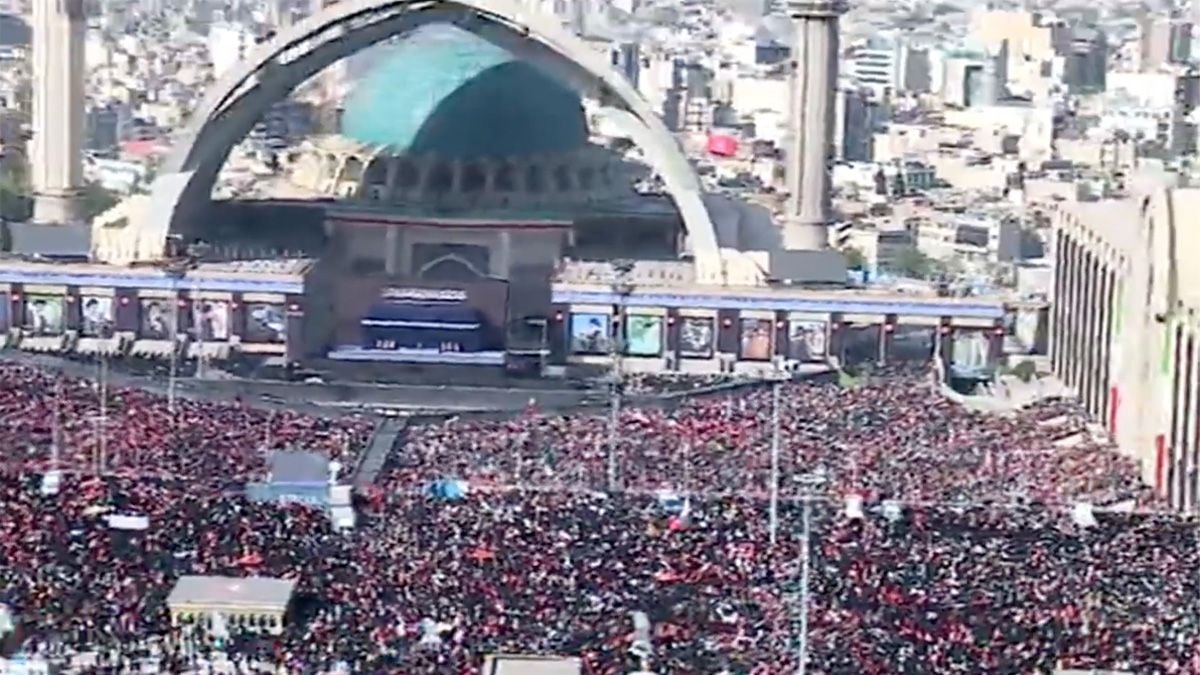
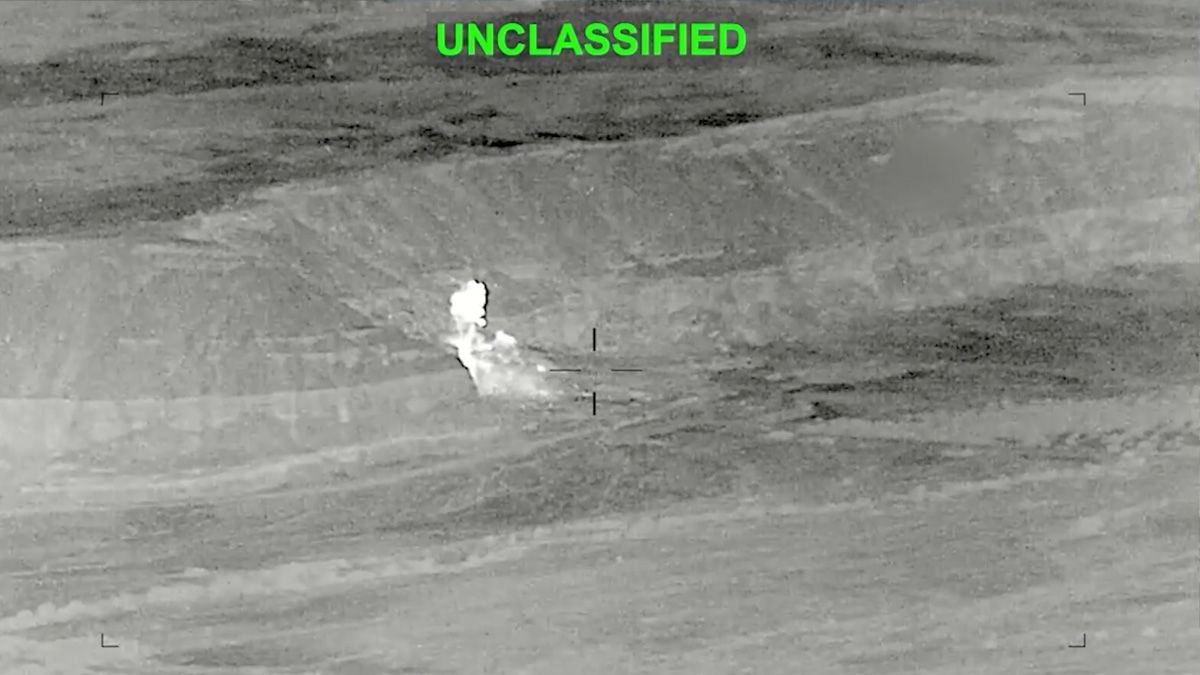
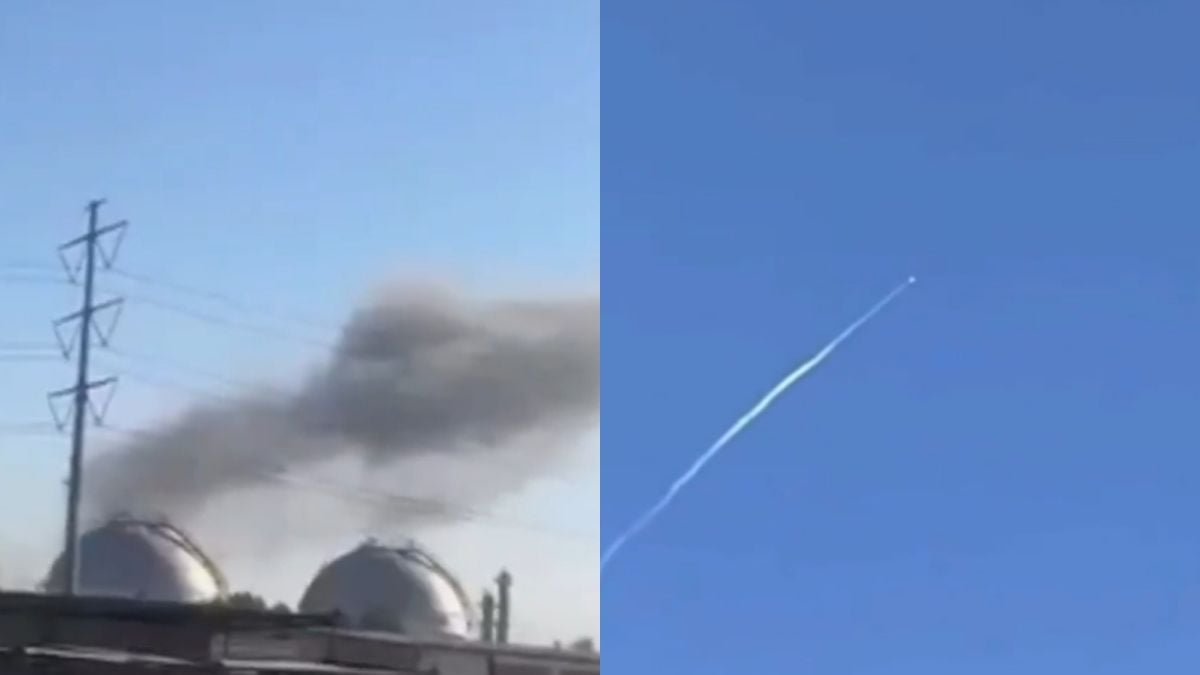
The Israeli strikes hit an Iranian petrochemical complex and dismantled Iranian air defence systems deployed across several areas of the country. Iranian state television reported the sound of explosions in Isfahan, Karaj, Tabriz and Tehran. Iranian officials offered no details on what had been struck or the extent of the damage.
Iran's Islamic Revolutionary Guard Corps (IRGC) said Israel used air-launched ballistic missiles in its attack on Monday morning. The IRGC said it had targeted two Israeli military bases in a missile campaign it described as Operation Nasr, meaning Victory.
A series of explosions were heard in Jerusalem, where residents took shelter. An Iranian missile fragment caused damage to several homes in a West Bank settlement, though no injuries were reported.
Trump urged restraint — Israel struck anyway
The strikes came in apparent defiance of US President Donald Trump, who had urged Netanyahu not to retaliate immediately following the Iranian missile attack.
A senior US official told the Associated Press, speaking on condition of anonymity, that Trump believed he had convinced Netanyahu to hold off. "The US president got Bibi to hold off for the time being," the official said.
Israel struck regardless. Speaking to the Financial Times before the Israeli retaliation, Trump said he dictated terms to Netanyahu on how the war should be prosecuted. "He won't have any choice," Trump told the newspaper. "I call all the shots, not Netanyahu."
The White House did not respond to requests for comment on whether the Israeli strikes on Iran were carried out in coordination with the United States.
Earlier on Sunday, Israel had struck Hezbollah headquarters in Beirut's Dahieh district, the first strike on the Lebanese capital since the US announced a truce plan for Lebanon the previous week. Trump had previously rebuked Netanyahu in a profanity-filled phone call, pressing Israel to halt its attacks in Lebanon to allow room for a broader deal to end the war with Iran.
Iran rejects suggestion of US ignorance
Iranian officials pushed back strongly against any suggestion that Israel had acted without Washington's knowledge. Foreign ministry spokesperson Esmaeil Baqaei said: "No one believes that the Zionist regime would carry out any action without prior coordination and cooperation with the United States."
Baqaei added that it was "perfectly natural" that the diplomatic process aimed at ending the war would be affected by the strikes.
Ehsan Movahedian, an international relations specialist at Tehran University, went further, pointing to footage he claimed showed cruise missiles launched from the eastern Mediterranean toward Iran. "Trump has lied again," he wrote. "American warships are deployed in the eastern Mediterranean. Israel lacks the capability to launch long-range ship-fired cruise missiles."
The claims could not be independently verified. The White House did not respond to related queries.
Nuclear talks under strain
The exchange threatens to derail stalled Iran-US nuclear negotiations that Trump had claimed could produce a deal within days. Trust between Tehran and Washington was already fragile, and Iranian hardliners in parliament have been pressing negotiators to abandon the talks altogether.
Some Iranian officials have argued that specific aspects of the proposed deal remain too ambiguous and require tightening. If Tehran concludes that Washington covertly endorsed the Israeli attack, analysts warn there will be significant consequences for the peace process.
Houthis re-enter the conflict
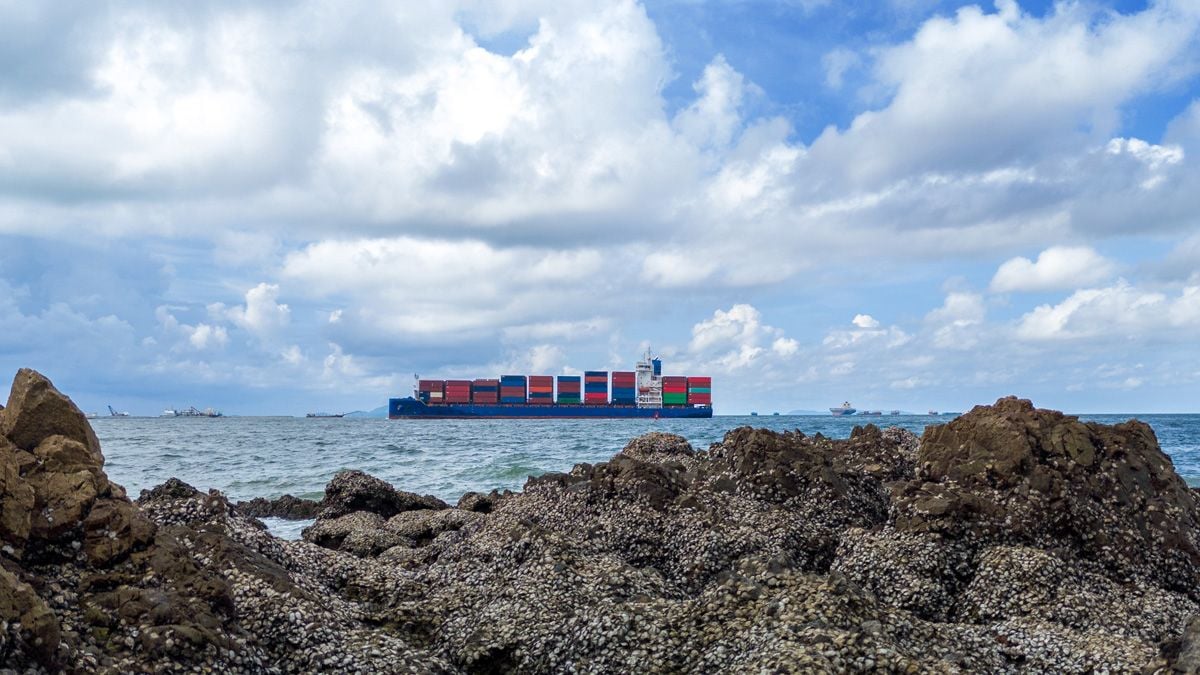
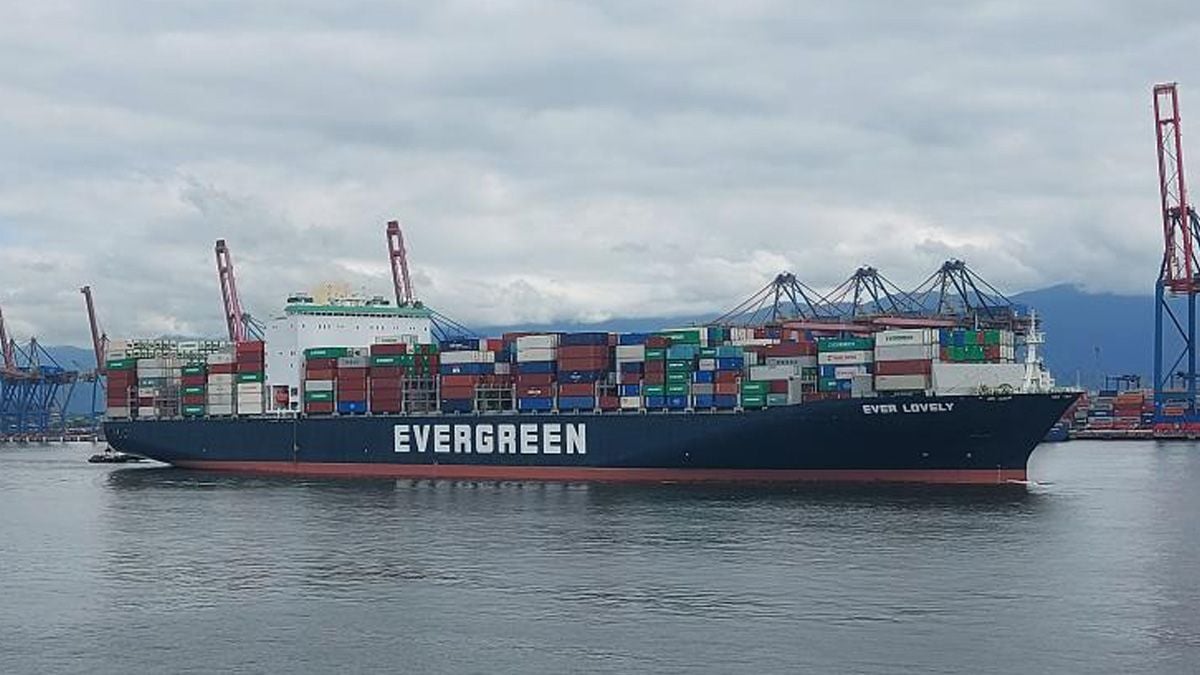
Yemen's Iran-aligned Houthi rebels announced a missile attack on Israel on Monday, the first since early April, and declared a complete ban on Israeli shipping in the Red Sea. "We declare a complete and total ban on Israeli maritime navigation in the Red Sea," the Houthis' armed forces said in a statement.
The announcement raised the prospect of a return to significant disruption on one of the world's main trade routes, through which a substantial share of global commerce passes.
Markets react
Financial markets responded sharply to the escalation. Brent crude rose US$3.50 to US$96.59 a barrel on Monday. Stocks in Asia, a region heavily dependent on oil imports, fell sharply in early trading.
Dahieh strike preceded the exchange
Sunday's strike on Beirut's Dahieh district had itself followed the first rocket fire from Lebanon into northern Israel in four days. Air raid sirens sounded in Metula and Misgav Am early on Sunday morning, with further alerts in Ramot Naftali and Yiftah approximately 40 minutes later. The IDF confirmed that two rocket launches from Lebanon were intercepted.
Netanyahu and Katz said in a joint statement that the Dahieh strike was carried out "in response to Hezbollah fire toward Israeli territory." Initial details indicated that two aircraft dropped 10 munitions on one of the Hezbollah headquarters, located inside a building.
The Lebanese state news agency NNA reported that the strike killed at least two people and injured 11 others. Iran's parliament had warned earlier on Sunday of a "decisive and painful" response, with National Security and Foreign Policy Commission spokesperson Ebrahim Rezaei writing: "Look to the skies of the occupied territories tonight."
Israeli military casualties
Since Trump announced a renewed ceasefire in Lebanon on 16 April 2026, the names of 17 soldiers and one civilian — a contractor working for the Defence Ministry — have been cleared for publication after they were killed in southern Lebanon.
The IDF on Saturday night confirmed the deaths of Captain Shahar Gamla, 23, from Natur in the southern Golan Heights, and Sergeant Ohad Yaari, 21, from Rehovot. Gamla, deputy commander of a platoon in the Egoz Unit, was seriously wounded by an explosive drone in Lebanon on Thursday night and later died of his wounds. Yaari, a soldier in the Givati Brigade's Shaked Battalion, was killed in an accidental discharge now under Military Police investigation.
Israel has continued carrying out airstrikes in Lebanon since a Hezbollah cross-border attack in early March 2026, with Lebanese authorities reporting more than 3,600 people killed and over 11,000 injured since 2 March.