Korean youths turn to 'dopamine sites' for comfort, distraction and connection
From fake food delivery apps to virtual smoke breaks, "dopamine sites" are gaining popularity among young South Koreans seeking quick comfort and distraction. The trend has also sparked discussion online about whether the sites genuinely help users or simply simulate satisfaction.
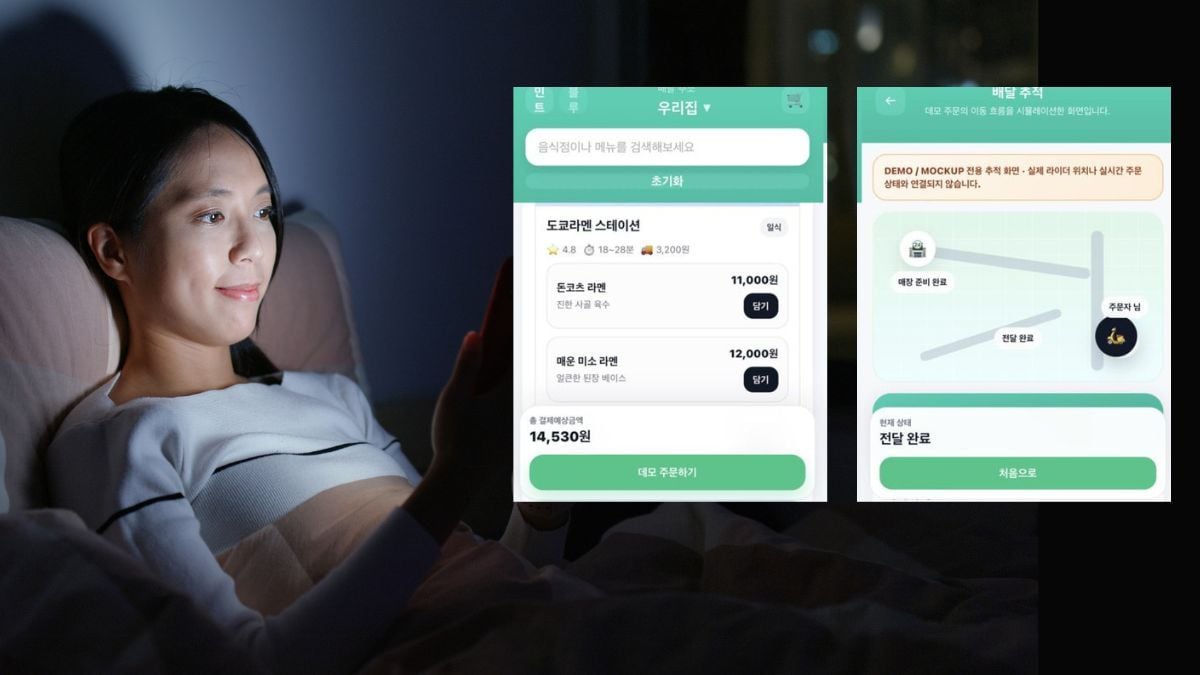
- Young South Koreans are increasingly using "dopamine sites" that simulate activities such as food ordering, online shopping and smoke breaks without requiring real-world purchases or participation.
- Users say the sites provide a sense of comfort, stress relief and connection by recreating familiar experiences without the cost, pressure or consequences.
- The trend has sparked debate online, with some praising it as a harmless way to manage spending and anxiety, while others question whether it provides any real satisfaction.

A new category of websites known as "dopamine sites" has been gaining popularity among young people in South Korea.
The sites are designed to recreate familiar online experiences without requiring users to actually spend money, place orders or take part in the activity being simulated.
One example resembles a food delivery application, allowing users to browse menus, add items to a cart and go through the ordering process without ever completing a purchase.
Another site recreates the atmosphere of a cigarette break.
Users can join a virtual room, see how many others are online and leave short anonymous messages, creating the feeling of sharing a break with strangers despite not smoking.
Why are people using them?
Users say the appeal lies in experiencing the satisfaction associated with certain activities without the cost, consequences or pressure that often come with them.
Some visit fake food delivery sites when craving late-night meals, while others use virtual smoke-break platforms during stressful periods of work or study.
Experts say the trend reflects a broader desire to experience comfort, anticipation and social connection through digital means.
According to Professor Kim Heon-sik of Jungwon University, the phenomenon is similar to watching online "mukbang" broadcasts, where viewers experience satisfaction indirectly by watching others consume food.
He said such platforms allow users to recreate feelings associated with food, shopping or smoking without engaging in the actual activity.
The trend may also reflect growing fatigue, uncertainty and burnout among younger generations, with users finding comfort in loosely connected online communities that require little emotional commitment.
Reddit users divided on the concept
The trend recently sparked discussion on Reddit after a user shared examples of dopamine sites that simulate activities such as food delivery, shopping carts and parcel tracking.
The original poster suggested the appeal may lie less in purchasing items and more in the anticipation and sense of control created during the browsing process.
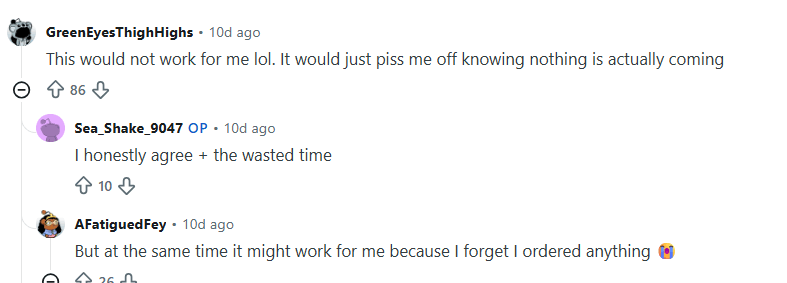
Many commenters were unconvinced by the concept.
Some said the experience would likely frustrate them rather than satisfy them.
Another commenter agreed and said the sites simply waste time.
However, one commenter joked that the idea might still work because they often forget what they order anyway.
Some compare it to window shopping
Several users said they already engage in similar behaviour by filling online shopping carts without completing purchases.
Some viewed the trend as a digital version of window shopping or make-believe shopping.

Others said they already use online shopping platforms this way to manage anxiety or delay spending decisions.

One commenter said the concept differs little from their normal browsing habits and argued that the real satisfaction comes only after receiving a purchase.

Alternative ideas and positive reactions
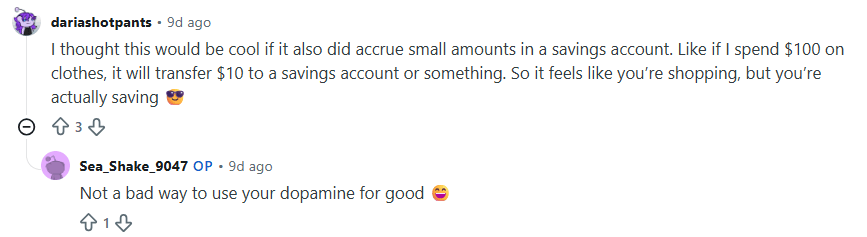
Some users proposed expanding the concept to encourage saving money.
One commenter suggested linking browsing activity to a savings account.
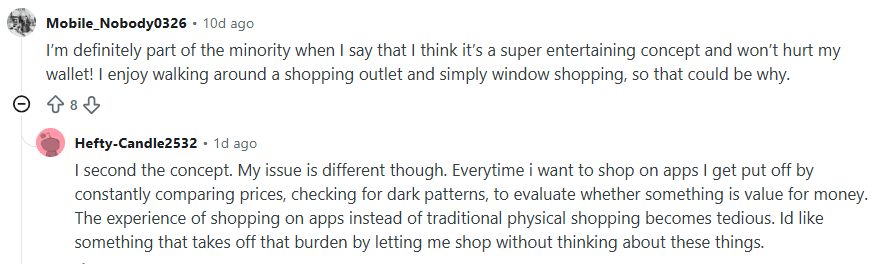
Others saw value in the concept because it removes many of the frustrations associated with modern online shopping.
Some said they enjoyed the idea because it allows browsing without spending money.
Others said the sites eliminate the need to compare prices, evaluate value or navigate marketing tactics commonly found on shopping platforms.
Concerns remain
Not everyone was convinced that dopamine sites would discourage spending.
Some commenters argued that repeatedly browsing products could have the opposite effect and strengthen the desire to make real purchases.

Others, particularly those who struggle with compulsive shopping habits, viewed the concept as a potentially useful tool if implemented responsibly.