Survivor of South Korea’s 2014 ferry disaster dies, highlighting long-term trauma
A survivor of South Korea’s 2014 Sewol ferry disaster has reportedly died, according to accounts from individuals linked to victims’ families. The news has renewed attention on the long-term psychological impact faced by survivors more than a decade after one of the country’s deadliest maritime tragedies.
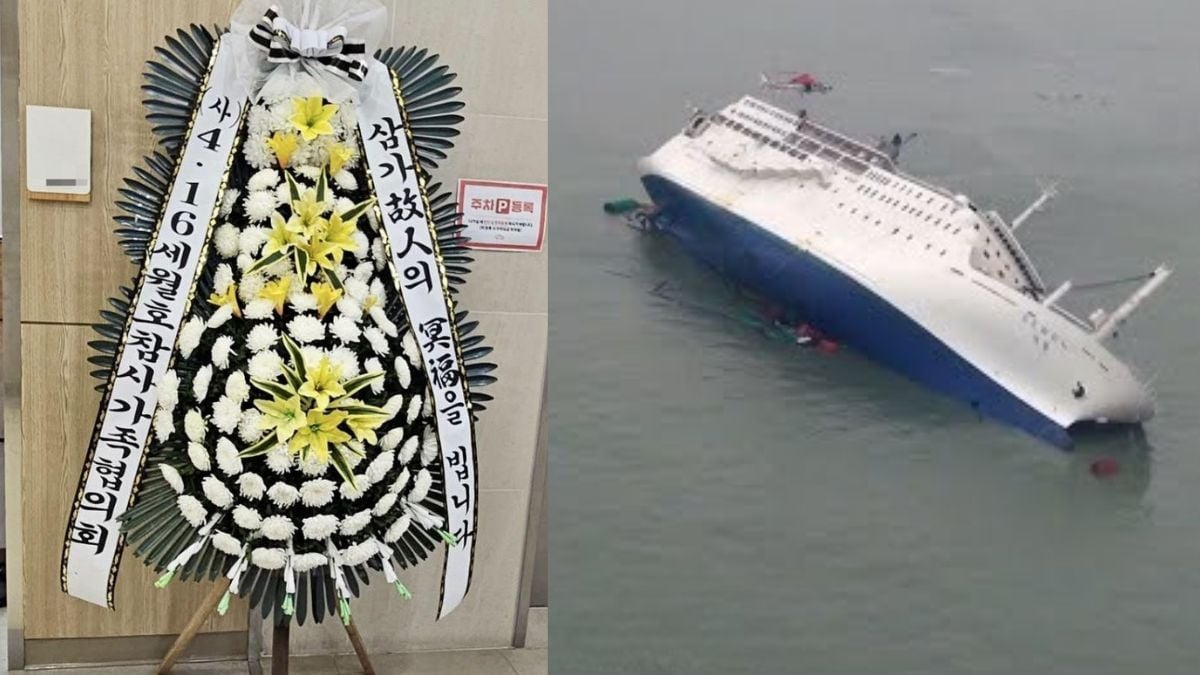
- A survivor of the 2014 Sewol ferry disaster has reportedly died, according to a bereaved families representative.
- The development has reignited discussion on long-term trauma and survivor’s guilt among those who lived through the sinking.
- Advocacy figures are calling for continued recognition and support for survivors and families affected by the tragedy.

SOUTH KOREA: A survivor of South Korea’s 2014 Sewol ferry disaster has reportedly died, according to Yoo Gyeong-geun, a former executive representative of the 4/16 Sewol Families for Truth and a Safer Society.
Yoo shared the information on social media, stating that the former student had “gone to join [their friends]” at a memorial site in Ansan.
He did not disclose further details, including the cause of death.
According to a report by the Korea JoongAng Daily, the deceased was a former Danwon High School student who survived the ferry sinking while many classmates died in the 2014 disaster.
Yoo also referenced the recent anniversary of the death of civilian diver Kim Kwan-hong, who participated in recovery efforts following the tragedy.
Survivor trauma and emotional impact
In his statement, Yoo highlighted the long-term psychological burden carried by survivors, urging the public to stop telling them that they should “live for their friends who had died.”
He described such remarks as harmful, saying they amount to secondary emotional harm rather than comfort.
Yoo said survivors were forced to witness the deaths of their classmates and have since lived with deep survivor’s guilt, social stigma, and long-term emotional distress.
He added that many have struggled to return to normal life, with their education, careers, and mental health significantly affected.
Broader concerns over Sewol disaster aftermath
The Sewol ferry disaster, which occurred on 16 April 2014, remains one of South Korea’s deadliest maritime tragedies.
Of the 476 people onboard, 304 died or remain missing, most of them high school students from Danwon High School in Ansan.
The sinking triggered widespread public outrage over safety failures, emergency response procedures, and subsequent accountability investigations.
According to reporting by the Gyeonghyang Shinmun, survivors of the disaster have long reported ongoing trauma, with some previously attempting suicide and continuing to struggle with psychological distress years after the incident.
Advocates cited in multiple reports said survivors and bereaved families continue to experience both emotional and physical health impacts more than a decade later, calling for sustained monitoring and support rather than time-limited assistance.
Calls for continued support and awareness
Yoo expressed concern for those still suffering in silence, saying he hopes survivors can live without guilt or psychological pain.
Experts quoted in local reports also stressed that trauma from large-scale disasters does not have a fixed recovery timeline, and that long-term or recurring mental health effects are common.
They urged continued public awareness and institutional support, noting that social recognition plays a role in helping survivors cope with long-term grief and psychological stress.