A chance to rethink development at Gillman Barracks and Maju Forest
This letter argues that HDB’s proposed developments at Gillman Barracks and Maju Forest risk irreversible damage to mature ecosystems and heritage landscapes. While acknowledging housing needs, the writer urges a broader public discussion on prioritizing brownfield sites over irreplaceable green spaces, calling for a genuine evaluation of alternatives before permanent decisions are made.

by Zoe
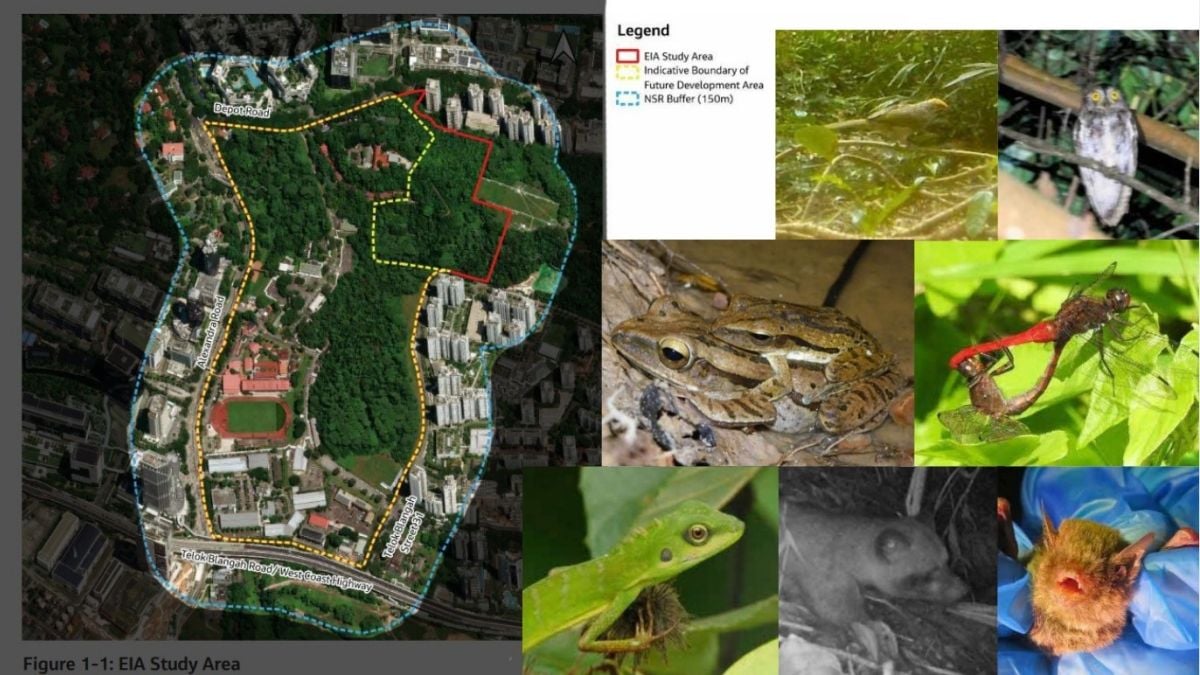
The public consultation on Housing Development Board (HDB)’s proposed developments at Gillman Barracks and Maju Forest (Sunset Way) closes on 6 August. After reading the Environmental Impact Assessments, and the Heritage Impact Assessment for Gillman Barracks, I believe these proposals deserve broader public discussion before irreversible decisions are made.
Singapore undoubtedly needs more homes, and I support the Government’s efforts to meet future housing demand. However, housing should also be planned with careful regard for sites that possess exceptional ecological or heritage value.
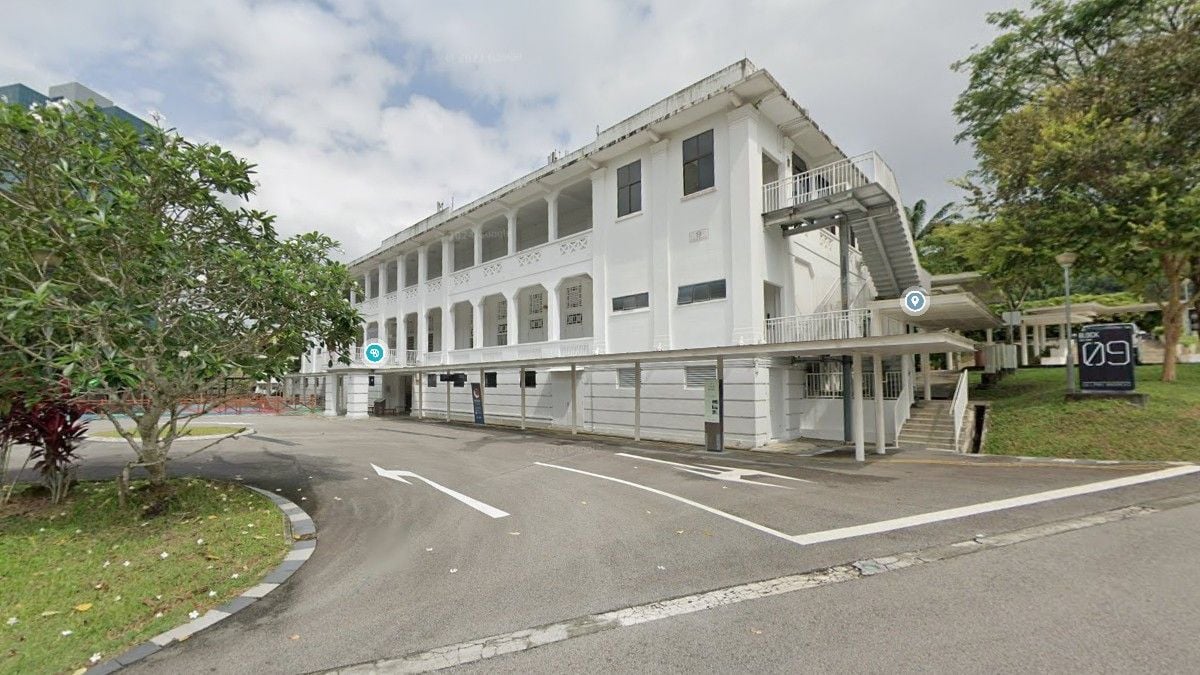
Gillman Barracks and Maju Forest are not vacant parcels of land awaiting development. HDB’s own studies document hundreds of plant and animal species, including many of conservation significance. Gillman Barracks also represents one of Singapore’s most intact military heritage landscapes, where the surrounding vegetation and terrain form part of its historical significance.
What struck me most was that the studies acknowledge residual environmental impacts even after mitigation. Measures such as ecological corridors, habitat enhancement and compensatory planting are valuable, but they cannot fully replace mature ecosystems that have developed over decades. Once these landscapes are fragmented, they cannot be meaningfully restored within our lifetime.
These projects also raise a broader planning question. As Singapore becomes increasingly built up, the remaining sites available for housing will increasingly overlap with ecologically mature landscapes. This makes careful site selection more important than ever. Where high-value natural and heritage assets already exist, should development first prioritise brownfield or previously developed land before clearing irreplaceable green spaces?
Public consultation is most meaningful when alternatives are genuinely considered. I hope HDB will seriously evaluate whether these exceptional landscapes can be conserved while meeting Singapore’s long-term housing needs through less environmentally sensitive sites.
As Singapore strives to become a City in Nature, the decisions we make today will define the balance between development and conservation for generations to come.
The public consultation on Housing Development Board (HDB)’s proposed developments at Gillman Barracks and Maju Forest (Sunset Way) closes on 6 August. After reading the Environmental Impact Assessments, and the Heritage Impact Assessment for Gillman Barracks, I believe these proposals deserve broader public discussion before irreversible decisions are made.
Singapore undoubtedly needs more homes, and I support the Government’s efforts to meet future housing demand. However, housing should also be planned with careful regard for sites that possess exceptional ecological or heritage value.
Gillman Barracks and Maju Forest are not vacant parcels of land awaiting development. HDB’s own studies document hundreds of plant and animal species, including many of conservation significance. Gillman Barracks also represents one of Singapore’s most intact military heritage landscapes, where the surrounding vegetation and terrain form part of its historical significance.
What struck me most was that the studies acknowledge residual environmental impacts even after mitigation. Measures such as ecological corridors, habitat enhancement and compensatory planting are valuable, but they cannot fully replace mature ecosystems that have developed over decades. Once these landscapes are fragmented, they cannot be meaningfully restored within our lifetime.
These projects also raise a broader planning question. As Singapore becomes increasingly built up, the remaining sites available for housing will increasingly overlap with ecologically mature landscapes. This makes careful site selection more important than ever. Where high-value natural and heritage assets already exist, should development first prioritise brownfield or previously developed land before clearing irreplaceable green spaces?
Public consultation is most meaningful when alternatives are genuinely considered. I hope HDB will seriously evaluate whether these exceptional landscapes can be conserved while meeting Singapore’s long-term housing needs through less environmentally sensitive sites.
As Singapore strives to become a City in Nature, the decisions we make today will define the balance between development and conservation for generations to come.