MOE steps up school emergency preparedness as youth radicalisation cases raise security concerns
Schools and institutes of higher learning are strengthening emergency preparedness through drills, staff training and counter-radicalisation programmes after three youths were detained under the Internal Security Act for allegedly plotting attacks in Singapore.
- MOE is enhancing emergency preparedness and counter-radicalisation measures across schools and institutes of higher learning.
- Authorities warned that youth self-radicalisation is increasing, with online extremist content driving several recent cases.
- The Government has blocked access to terrorism-related online content while urging parents, teachers and the public to remain vigilant.

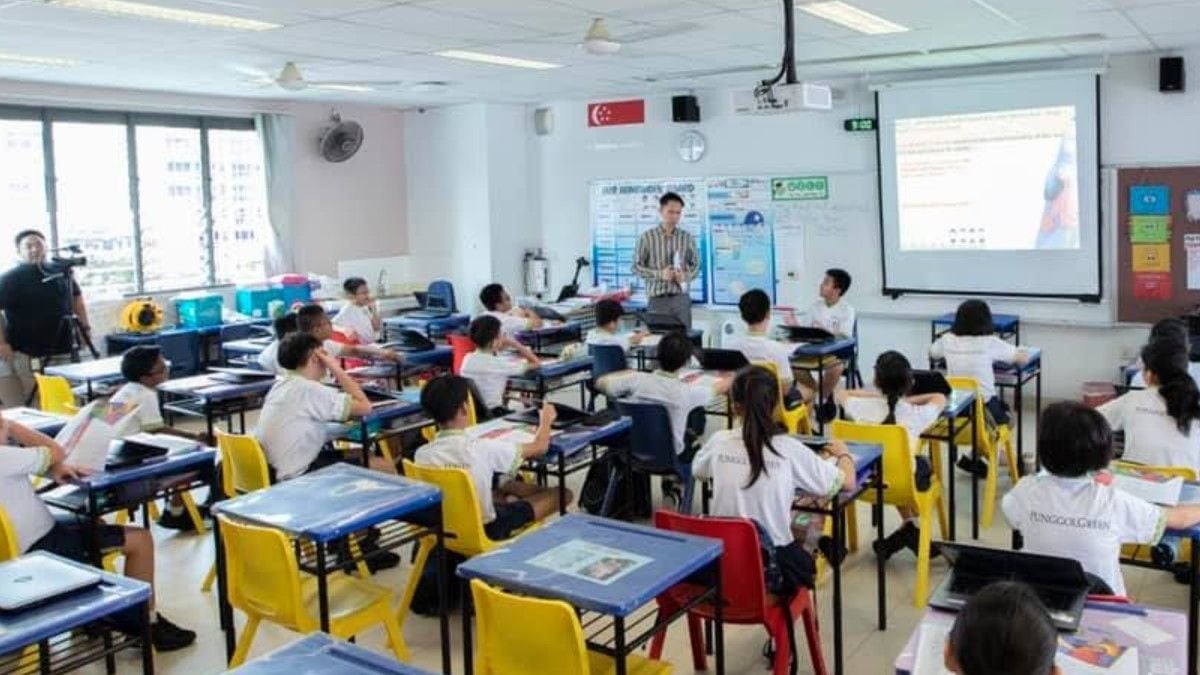
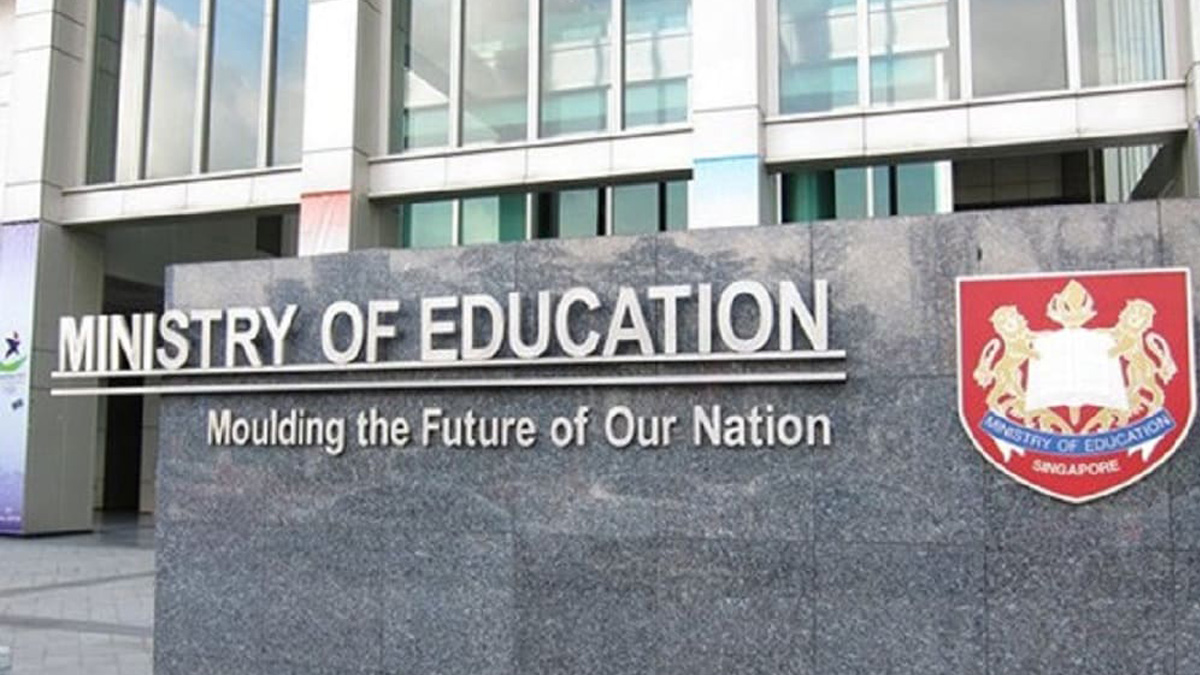
Schools and institutes of higher learning (IHLs) across Singapore have been conducting emergency drills and preparedness exercises to equip students and staff to respond effectively to potential threats originating both outside and within school premises, the Ministry of Education (MOE) said on 27 July 2026.
The ministry said the exercises are designed to strengthen schools' readiness by teaching students how to respond during emergencies, recognise warning signs, report incidents promptly and escalate concerns through the appropriate channels.
MOE said it will continue enhancing its emergency response measures to address evolving security threats.
The statement followed the announcement that three male youths, aged 14, 15 and 19, had been detained under the Internal Security Act (ISA) for allegedly planning attacks in Singapore.
According to the Internal Security Department (ISD), the three youths had become self-radicalised online through exposure to violent extremist ideologies and had made preparations to carry out attacks.
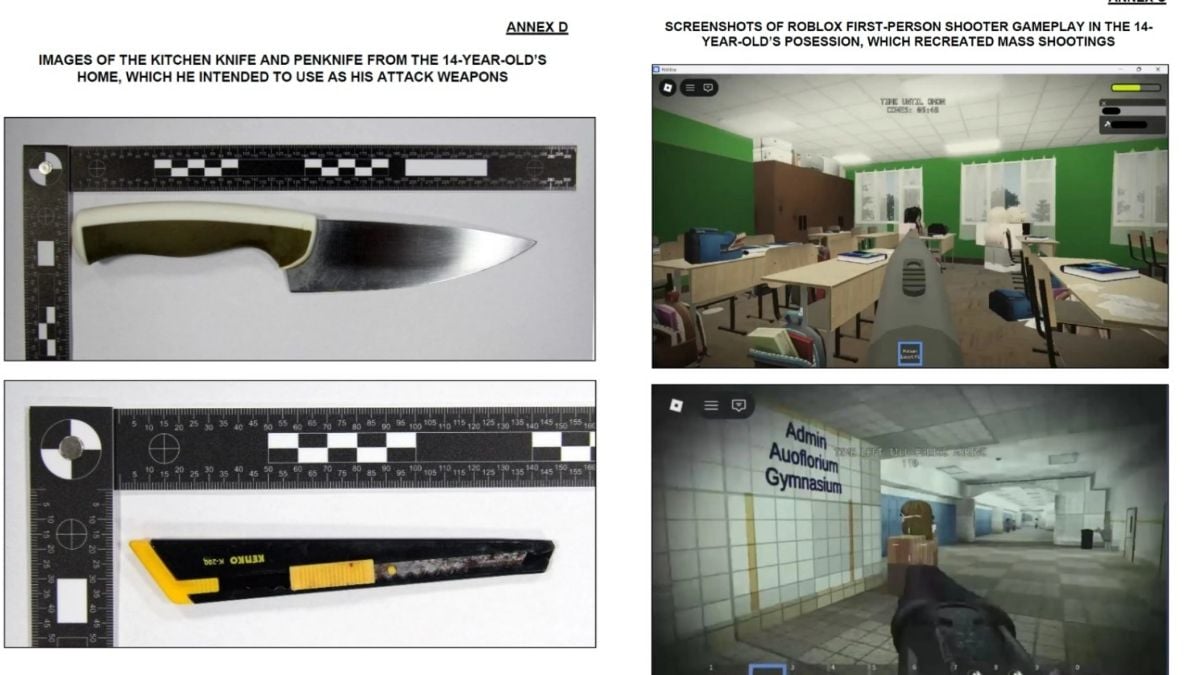
The youngest detainee, aged 14, allegedly planned to kill his Secondary Two schoolmates and non-Muslim teachers during the June school holidays.
The 19-year-old allegedly intended to attack Singapore Armed Forces personnel outside Sembawang Air Base, as well as LGBTQ schoolmates.
Youth radicalisation remains a pressing concern
In a separate statement issued on 27 July 2026, ISD described youth radicalisation as a growing concern.
The department said that more than half of the 23 youths dealt with under the ISA over the past decade had planned to carry out attacks within Singapore.
ISD also highlighted that those becoming radicalised are getting younger.
The 14-year-old detained in the latest case is the youngest person to be issued a Detention Order under the ISA.
Previously, three other 14-year-olds had been issued Restriction Orders, preventing them from travelling overseas or accessing social media without prior approval.
ISD had earlier warned that self-radicalisation among young people is occurring at an increasingly rapid pace.
The average period required for individuals to become self-radicalised fell to eight months for cases between 2020 and 2025, compared with an average of 14 months in earlier years.
MOE expands education against extremist ideologies
MOE said schools have incorporated lessons aimed at helping students understand the dangers posed by extremist ideologies and discriminatory beliefs.
Students explore the harmful effects of extreme ideas, prejudice and stereotypes through Social Studies, Secondary History and Character and Citizenship Education (CCE).
The ministry said Cyber Wellness lessons also form a key component of students' education.
"Cyber Wellness lessons in CCE teach students to be safe, respectful and responsible users of cyberspace, and to be a positive influence online. Students develop skills to recognise risks online, and identify and discern negative influences and inappropriate websites."
MOE added: "Students are also taught to look out for one another and encouraged to seek help from trusted adults like parents, teachers or school counsellors."
The ministry said these programmes are intended to build students' resilience against harmful online influences while encouraging early intervention when concerns arise.
Teachers and counsellors trained to identify warning signs
Beyond classroom education, MOE said school staff receive training to identify students who may be vulnerable to self-radicalisation online.
The ministry said school counsellors work closely with teachers and other personnel to detect warning signs at an early stage.
"For instance, school counsellors work closely with teachers and other school personnel to look out for students who may be at risk, so that timely intervention can be provided when concerns are identified," MOE said.
The ministry added: "School leaders and teachers are also guided on prompt handling of such cases, including providing timely guidance and counselling so that issues can be addressed before they escalate to more serious levels."
MOE also works with ISD to conduct counter-terrorism and counter-radicalisation workshops across different education levels.
"These efforts sensitise participants to the terrorism threat, tell-tale signs of radicalisation, and the importance of early reporting," the ministry said.
The ministry added that secondary school students using school-issued devices are protected by filtering software that blocks harmful online material.
School wireless networks also restrict access to inappropriate websites, including those containing extremist content.
Authorities block terrorism-related online content
Separately, the police issued one disabling direction to an online service provider and two access-blocking directions to internet service providers under the Online Criminal Harms Act on 27 July.
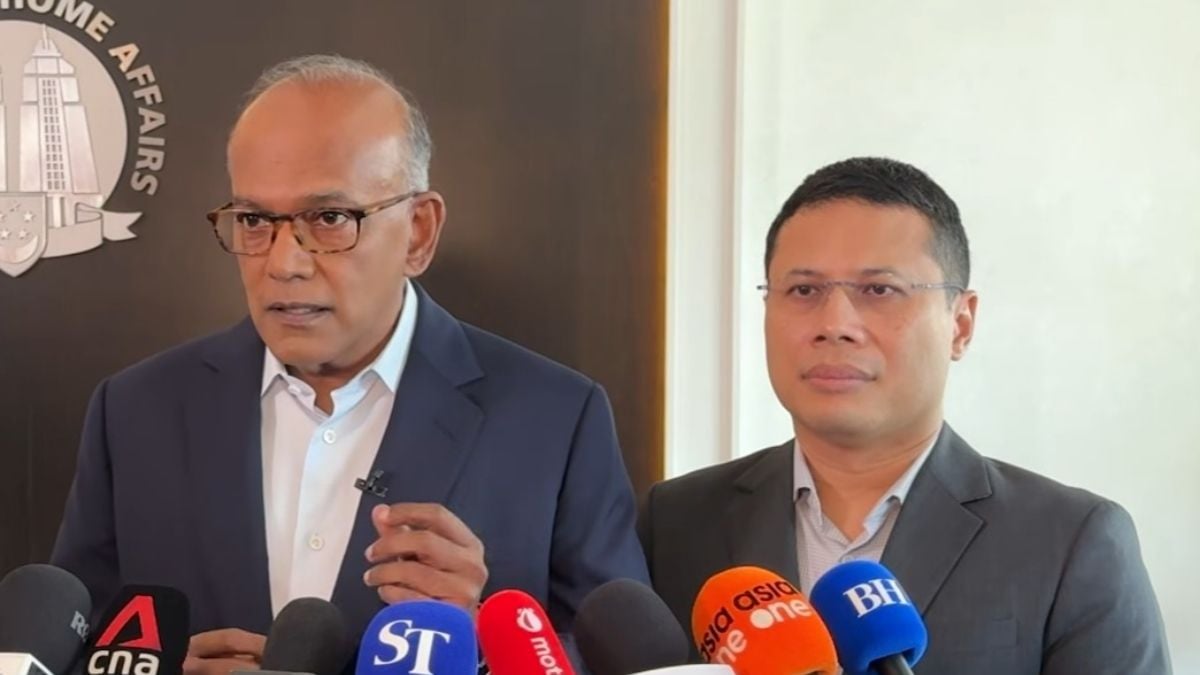
The Ministry of Home Affairs (MHA) did not identify the affected platforms but said the measures targeted terrorism-related content accessible to users in Singapore.
According to MHA, the disabling direction requires the online platform to take "all reasonable steps" to prevent Singapore-based users from viewing specific online videos.
The access-blocking directions require internet service providers to restrict access to designated websites.
MHA said the affected videos and websites contained material supporting ISIS, mass shooters and acts of violence.
The ministry added that the content glorified extremists and encouraged individuals to join extremist causes.
"Investigations have established a direct nexus between the content and past self-radicalisation cases in Singapore, where youths became radicalised after consuming content from these sites or obtained information from these sites to plot their attacks," MHA said.
Public urged to remain vigilant
MHA said online platforms must not be used to spread terrorist ideology in Singapore.
The ministry described the increase in self-radicalisation cases, particularly among young people, as "a matter of deep concern".
It added that it is working closely with the Ministry of Digital Development and Information and MOE to reduce Singaporeans' exposure to harmful extremist material online.
MHA also urged parents, teachers and members of the public to remain vigilant for signs that young people may be accessing extremist content.
Separately, ISD said the authorities cannot detect every instance of radicalisation on their own.
The department noted that family members and friends are often best placed to notice behavioural changes or warning signs.
Anyone who knows or suspects that an individual has been radicalised is encouraged to contact the ISD hotline on 1800-2626-473 or email [email protected].
ISD also urged members of the public to report online material that glorifies terrorism or incites violence.