Public consultation launched to assess impact of Singapore’s mental health strategy
SG Mental Health Matters has launched a public consultation to examine how Singapore’s National Mental Health and Well-Being Strategy is experienced in everyday life, focusing on public understanding, access, and implementation gaps.
- SG Mental Health Matters, a civic volunteer-led group, is launching a national consultation to examine how Singapore’s mental health strategy is playing out in everyday life.
- The consultation focuses on public awareness, workplace well-being, and civic accountability.
- Two phases of public engagement will run throughout 2026, starting with a national survey by 12 February.

SG Mental Health Matters (SGMHM), a volunteer-run, non-partisan civic initiative, has launched a new public consultation to evaluate how Singapore’s National Mental Health and Well-Being Strategy is experienced in real life.
Formed by mental health practitioners, researchers, and advocates with lived experience, SGMHM aims to advance mental health policy literacy, public participation, and evidence-informed dialogue.
The consultation begins on 21 January 2026 with a public launch event, and will centre on how the Strategy—introduced in 2023—is understood, accessed, and experienced across different aspects of Singaporean life.
This initiative differs from prior government-led consultations, which focused on shaping policy design. SGMHM’s effort examines post-implementation experience, seeking to bridge the gap between policy intent and lived reality.
The process is co-led by public health researcher Dr Rayner Tan and mental health advocate Anthea Ong, supported by a team of volunteer researchers.
The consultation will explore three key areas of the Strategy: public mental health promotion, workplace mental health and well-being, and civic engagement with accountability.
“Mental health policies affect people every day – at work, at home, and in how safe they feel seeking support,” said Ong, a former Nominated Member of Parliament who advocated mental health reforms from 2018 to 2020.
“As our lives and social realities evolve, policy implementation must evolve with them.”
Learning through participation
The consultation takes a participatory approach, designed to enable citizens to contribute to policy implementation in real time, rather than commenting after the fact.
“This consultation is about implementation,” said Dr Tan. “It is not an academic exercise, but about learning from real experiences on how a national strategy is experienced, and how it can be strengthened in practice.”
SGMHM has led several prior national initiatives, including the 2021 #AreWeOkay public consultation and Project Hayat, Singapore’s first community-driven National Suicide Prevention White Paper, released in 2024.
The group continues to push for community-informed policymaking grounded in lived realities.
Consultation timeline
The consultation will take place in two phases during 2026.
Phase 1 (Q1–Q2 2026):
A national public survey will be launched before 12 February 2026, in partnership with research firm OPPi. The survey will gauge public awareness of the Strategy, experiences with its initiatives, and perceived shifts in societal attitudes.
This will be followed by focus group discussions involving healthcare workers, allied health professionals, and individuals with lived experience, to provide deeper qualitative insights.
Phase 2 (Second half of 2026):
Findings from the first phase will be shared publicly. These insights will inform an open call for recommendations aimed at improving the Strategy’s rollout. A synthesis report with final recommendations will be released in the latter half of 2026.
Interim updates will be published at each stage. Participants will be informed on how their input will be used and when findings will be released.
Launch and next steps
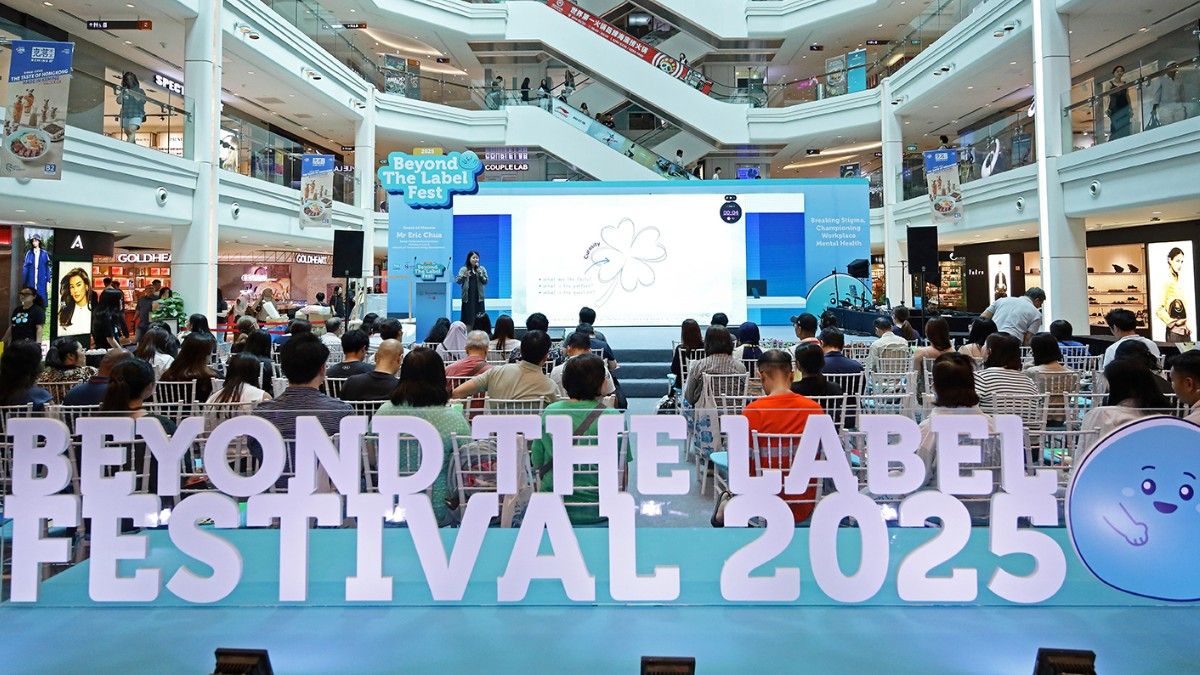
The consultation launches with a public event on 21 January 2026, co-hosted with Rice Media. It will convene members of the public, researchers, journalists, policymakers, community groups and Members of Parliament.
Participants will be invited to share their experiences with the Strategy and help refine the survey instrument.
Ong noted, “We hope this enables Singaporeans to contribute to implementation as it happens, in ways that are constructive, participatory, and grounded in lived experience. Mental health is too important – and too personal – for policy to feel distant or one-directional.”
More information and ongoing updates will be made available at www.sgmentalhealthmatters.com.