Migrant workers should not be made invisible to be accepted, says HOME
HOME welcomes MOM’s recognition of migrant workers’ rights to public space, but warns that language around “monitoring” and “disamenities” risks framing workers as problems rather than partners in shared spaces.
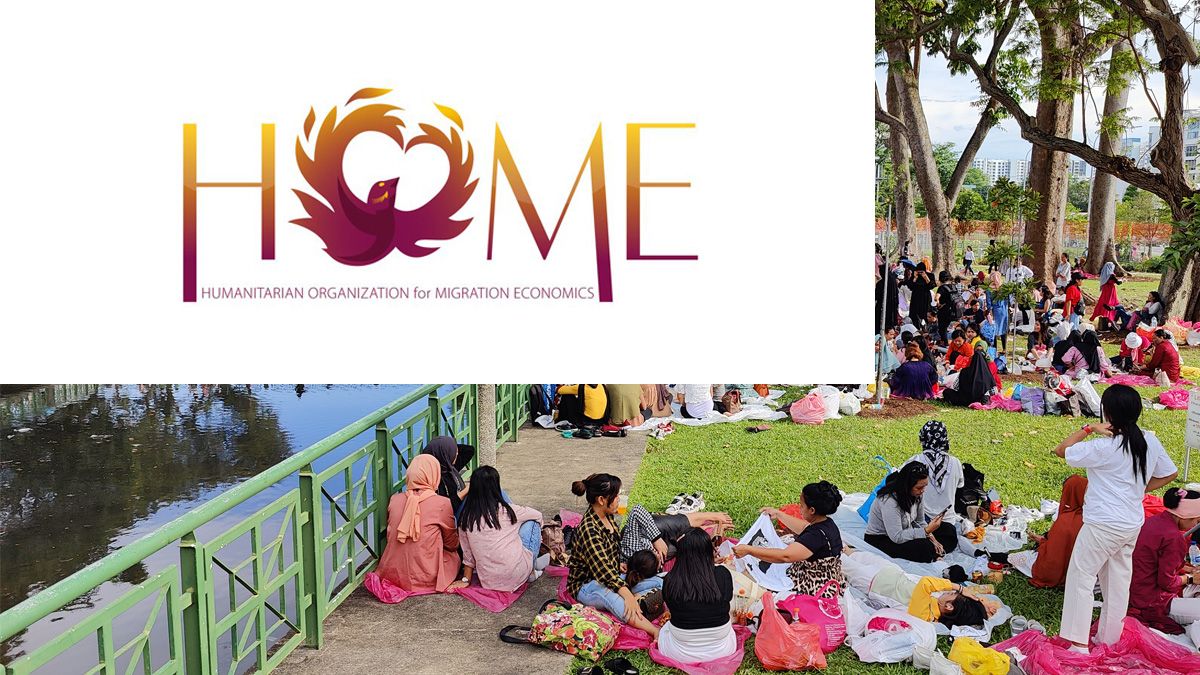
- HOME supports MOM’s recognition of migrant workers’ rights to shared public spaces.
- Concerns raised about surveillance framing and treating workers as problems.
- Calls for dignified engagement and mutual understanding among residents and workers.

In response to a parliamentary clarification issued by the Minister for Manpower on 4 February 2026, the Humanitarian Organisation for Migration Economics (HOME) issued a statement on 5 February welcoming the Ministry’s acknowledgement that migrant workers have the right to rest days and to use public spaces.
The statement was provided in response to media queries from The Online Citizen (TOC), following MOM’s written reply to a parliamentary question on how the Ministry addresses concerns related to migrant domestic workers’ (MDWs) use of shared public areas.
However, the organisation cautioned that the framing used in the Ministry’s reply—such as references to “monitoring congregation hotspots” and “managing disamenities”—risks portraying migrant workers as problems to be contained, rather than individuals with equal rights to public space.
According to HOME Deputy Director Prashant Somosundram, “Migrant workers should not have to be made less visible to be seen as acceptable.”
He added that issues such as littering should not immediately be attributed to individual behaviour. Instead, authorities should first assess whether infrastructure—such as sufficient rubbish bins and cleaning services—is adequate to meet predictable surges in public space use, particularly on Sundays.
HOME also drew attention to the context behind migrant workers’ public presence. For many, particularly migrant domestic workers (MDWs), public spaces are not just preferred leisure locations—they are the only viable spaces for rest and social interaction.
“MDWs live where they work, and often have no private space of their own. They are also frequently discouraged from inviting friends to their employers’ homes,” said Somosundram. “On their one guaranteed day off, public areas become the only accessible venues for rest, connection, and community.”
While HOME welcomed MOM’s pilot programmes offering alternative community spaces in areas such as Clementi and Paya Lebar, the organisation expressed concern that these should not be used as a means of removing migrant workers from visible public areas.
“They should not have to be made less visible to be seen as acceptable,” said Somosundram. “Rest should not need to be ‘programmed’ to be considered meaningful.”
In its parliamentary response on 4 February 2026, MOM, through Minister for Manpower Dr Tan See Leng, had stated that the Ministry monitors areas where MDWs gather on their rest days and works with community stakeholders to address recurring concerns such as noise and littering.
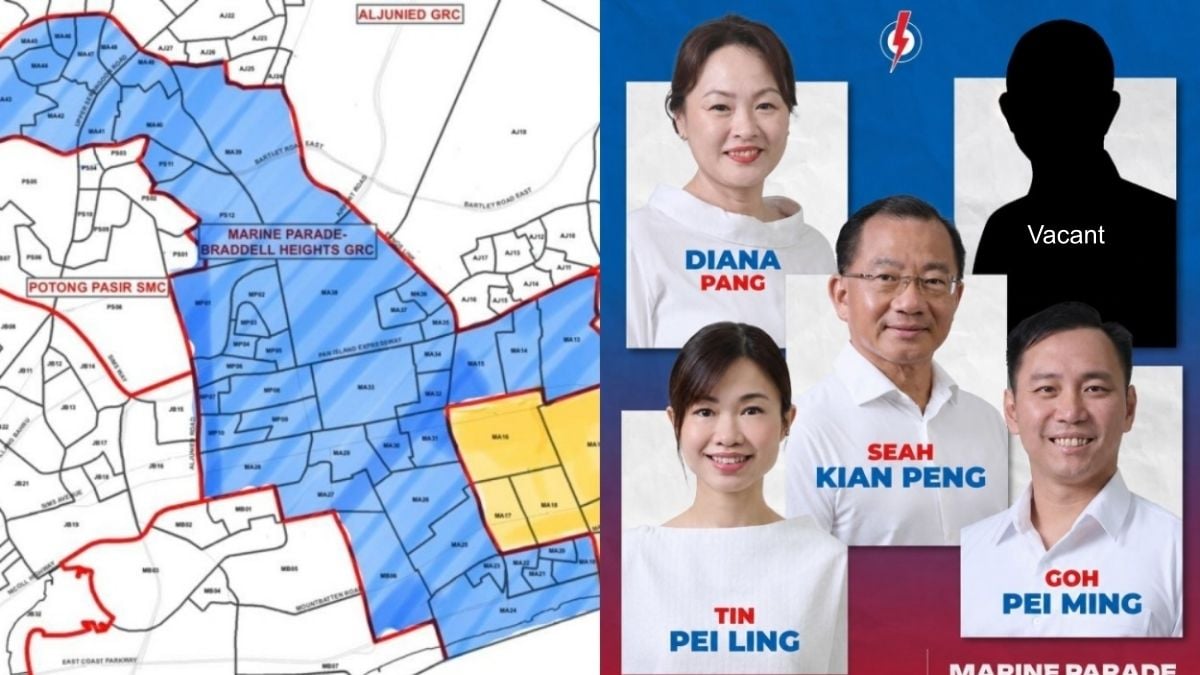
The reply came in response to a parliamentary question from MP Diana Pang (Marine Parade–Braddell Heights GRC), who inquired whether MOM tracked congregation hotspots, and whether designated alternative spaces were being considered.
Dr Tan affirmed that MOM collaborates with town councils and residents’ committees to balance community expectations with workers’ rights. He also said MOM would continue to develop dedicated rest spaces while encouraging considerate behaviour from workers in shared public areas.
As of June 2025, there were approximately 1.59 million foreign workers in Singapore, out of a total population of 6.11 million. Of these, about 300,000 were migrant domestic workers. Popular rest day gathering spots include Lucky Plaza, City Plaza, and East Coast Park.
Responding to this broader context, HOME emphasised that the burden of adjustment in shared public spaces should not fall disproportionately on migrant workers. Instead, local residents also need to be engaged and educated.
“Coexistence in shared spaces requires mutual adjustment, not the disproportionate regulation of one group,” Somosundram stated.
The organisation concluded by reiterating the importance of dignity and equality in the treatment of migrant workers: “Migrant workers are an integral part of Singapore’s social fabric. How we treat them on their rest days reflects not only our labour policies, but our values as a society.”