HOME seeks public support as women’s shelter faces S$530,000 annual operating cost
Singapore advocacy group HOME said it needs more than S$530,000 annually to sustain its Women’s Crisis Shelter, which supports over 500 migrant women each year through housing, legal aid, counselling and financial assistance.

- HOME said its Women’s Crisis Shelter costs over S$530,000 annually to operate.
- The shelter provides housing, counselling, legal aid and meals to more than 500 women yearly.
- HOME appealed for donations, sponsorships and volunteers to sustain shelter operations.

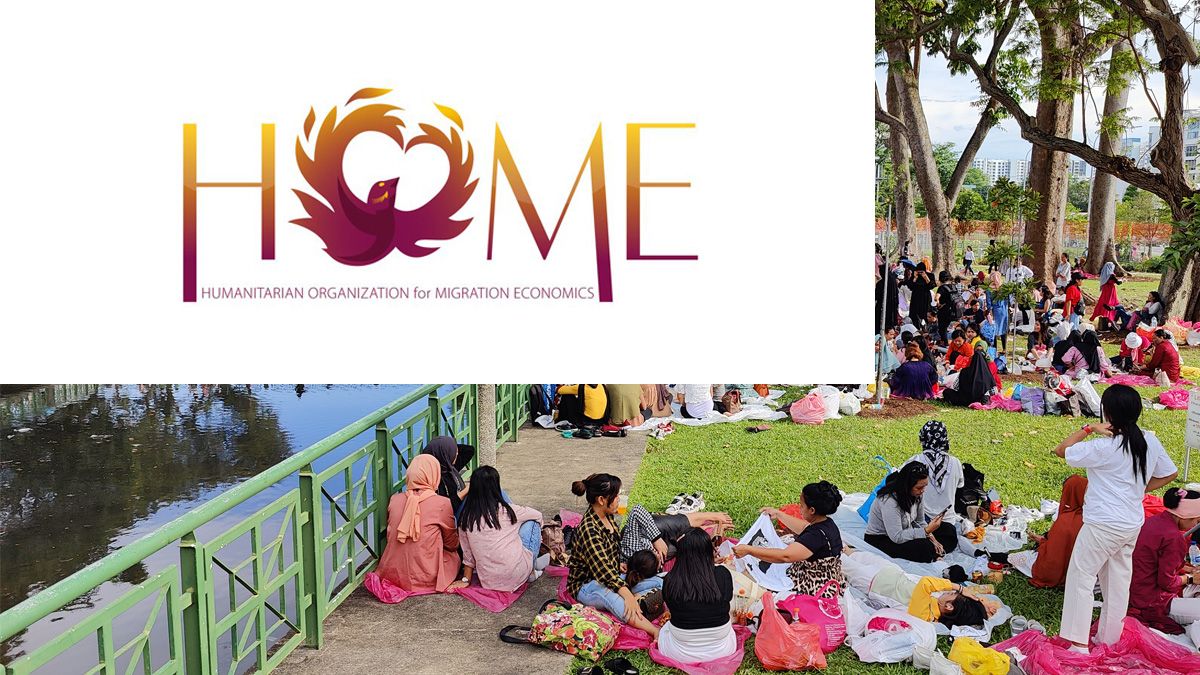
Singapore advocacy group The Humanitarian Organisation for Migration Economics (HOME) said it requires more than S$530,000 annually to keep its Women’s Crisis Shelter operating, as the organisation appealed for sustained public support.
In a social media post published on 20 May 2026, HOME said the shelter provides safe housing, meals, casework, financial assistance, legal support and counselling to more than 500 women each year.
The organisation said many women arriving at the shelter face multiple forms of abuse and exploitation simultaneously.
“Many women face not just one, but several of these issues simultaneously — compounding their vulnerability and making it harder to seek redress or protection,” HOME said.
According to the NGO, residents commonly report verbal or physical abuse, threats and intimidation, food-related issues, overwork and denial of rest days.
HOME described the shelter as more than temporary accommodation for women escaping abusive situations.
“A shelter is not just a place,” the organisation said. “It is everything that makes it possible for our residents to stay, and to start again.”
Support network behind shelter operations
HOME said the shelter operates through what it described as an “ecosystem of care” involving institutional donors, volunteers and community partners.
The organisation identified Chen Su Lan Trust, Asia Pacific Breweries Foundation and the Robert H. N. Ho Family Foundation Global as key institutional contributors helping sustain shelter operations financially.
However, HOME said existing support remained insufficient to fully cover operational needs.
The organisation also highlighted contributions from food rescue groups and partner organisations, which provide fresh vegetables, rice and eggs for shelter residents.
“Because dignity includes proper nutrition,” HOME said.
Volunteers also play a central role in supporting residents through activities including art therapy, yoga sessions and wellness walks.
“Time is also a form of care,” the organisation said. “Moments to breathe, to process, to heal.”
Residents rebuilding confidence
HOME said caseworkers and volunteer counsellors assist women through legal, emotional and personal challenges while helping them rebuild confidence and independence.
The organisation added that residents themselves contribute actively to shelter life through peer leadership roles.
According to HOME, women staying at the shelter help organise activities, cook meals, share information and support fellow residents.
“This is what healing can look like. Confidence rebuilt. Voices returned. A sense of self, restored,” the organisation said.
HOME said the shelter functions not only as a support service but also as a community where residents contribute to one another’s recovery.
HOME said members of the public can support the shelter through recurring monetary donations, sponsorships for food and toiletries, or by volunteering in workshops, activities and befriending programmes.
The organisation encouraged supporters to contribute through its donation platform and volunteer registration channels as part of efforts to sustain shelter operations long-term.