He Ting Ru proposes central registry for ministerial powers as Government highlights existing oversight
He Ting Ru urged stronger transparency over the use of Executive powers, including under POFMA and FICA, proposing a public registry and regular reporting. Chan Chun Sing said ministerial powers are exercised within legal limits and recorded carefully, with Cabinet collectively accountable to Parliament.
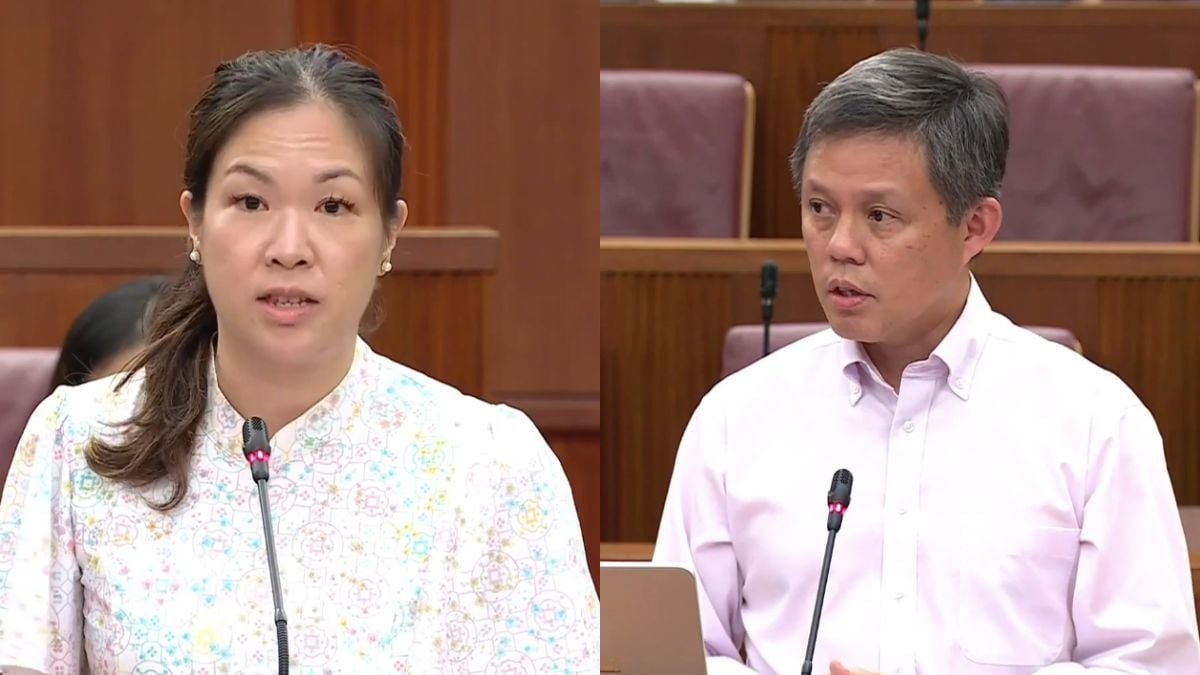
- He Ting Ru proposed a central public registry to monitor the exercise of significant statutory powers held by ministers.
- The call for transparency cited legislation such as the Protection from Online Falsehoods and Manipulation Act (POFMA) and the Foreign Interference (Countermeasures) Act (FICA).
- Minister-in-Charge of the Public Service Chan Chun Sing stated that the Government would consider publishing more data to build a collective corpus of knowledge.

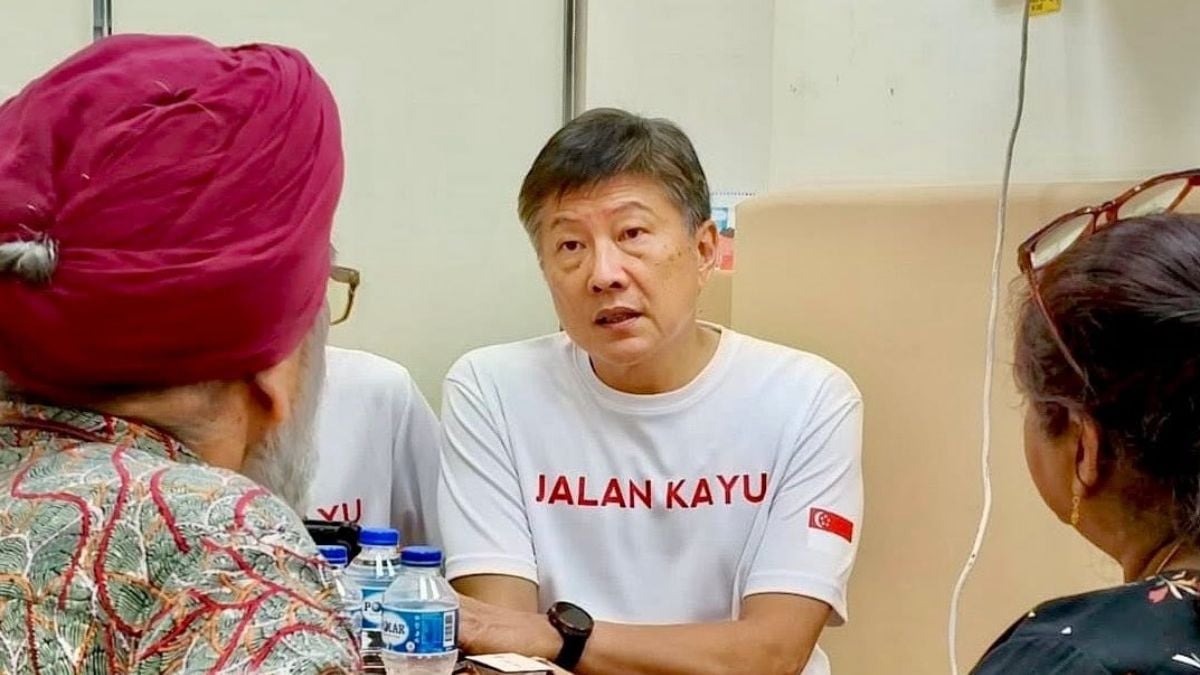
Ms He Ting Ru, Workers' Party Member of Parliament for Sengkang GRC, has called for the establishment of a central public registry to track the exercise of executive discretion.
Speaking during the Committee of Supply debate on 26 February 2026, she questioned how ministerial powers are guided and monitored in Singapore.
Ms He highlighted that significant statutory powers are currently entrusted to the executive. She noted that laws such as the Protection from Online Falsehoods and Manipulation Act (POFMA) and the Foreign Interference (Countermeasures) Act (FICA) empower ministers to issue directions.
The Member of Parliament also referenced Online Safety legislation, where the Online Safety Commission (OSC) can direct content takedowns. "I’m not saying that there is no place for judicial discretion, nor am I calling for judicial micromanagement," Ms He said.
"Instead, I hope for a better understanding and data about first if there is any central tracking of the use of executive powers and second what are the principles, if any, that guide the use of such oversight," she added.
Ms He observed that judicial review in Singapore is limited to grounds such as legality, procedural propriety, and rationality. She cited the 2019 United Kingdom Supreme Court ruling on Prime Minister Boris Johnson’s prorogation of Parliament as a comparative example of judicial oversight.
To address transparency, she proposed a central public registry to record ministerial powers. This would allow Parliament and the media to understand who holds specific powers. She also suggested that public bodies publish periodic reports on how discretionary powers are exercised.
"For instance, during a debate on the Online Safety Bill, we proposed that the Online Safety Commission submit annual reports detailing the number and categories of reports received, directions issued, and findings of online harms trends," Ms Hes tated.
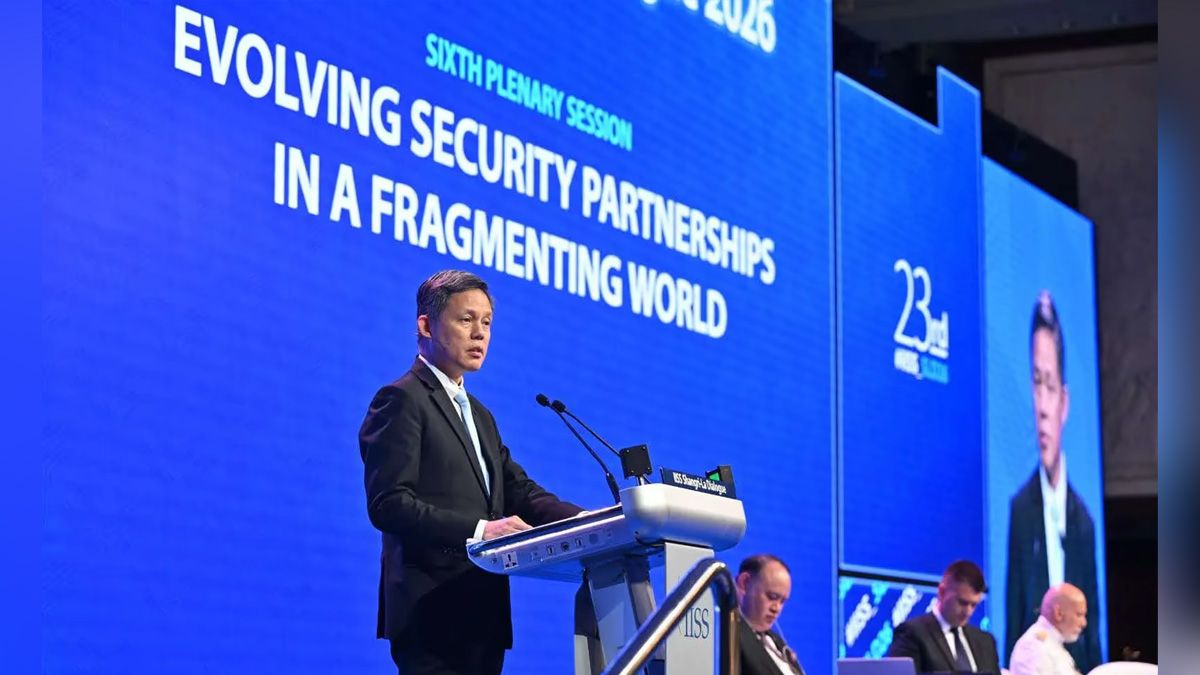
Coordinating Minister for Public Services Chan Chun Sing responded to these points during the debate. Minister Chan who is also the Minister-in-Charge of the Public Service, explained the current framework governing ministerial responsibilities and statutory functions, stating that the Prime Minister assigns responsibilities to ministers, including statutory functions that must be exercised according to law.
"The law confers discretion on Ministers and officials so they can exercise judgement based on the facts of each case, rather than mechanically applying rigid rules," Minister Chan said. He noted that these limits are debated when legislation is passed.
The Minister emphasised that each minister is responsible for their assigned functions, with significant matters discussed by the Cabinet.
Cabinet, in turn, is collectively responsible to Parliament," Minister Chan added, outlining the existing chain of accountability.
Regarding the proposal to publish more data, Minister Chan indicated that the Government would consider the suggestion. He assured the House that every decision made is carefully recorded, along with the specific grounds for that decision.
"We will certainly look into that but let me assure the House that for every decision made actually is carefully recorded... and over time we will build up the corpus of knowledge just like case law," Minister Chan concluded.