Mindef to refine medical classification system for national servicemen
Mindef will refine its Medical Classification System to better match national servicemen to roles, moving beyond binary combat-fit categories as the SAF expands and modernises.
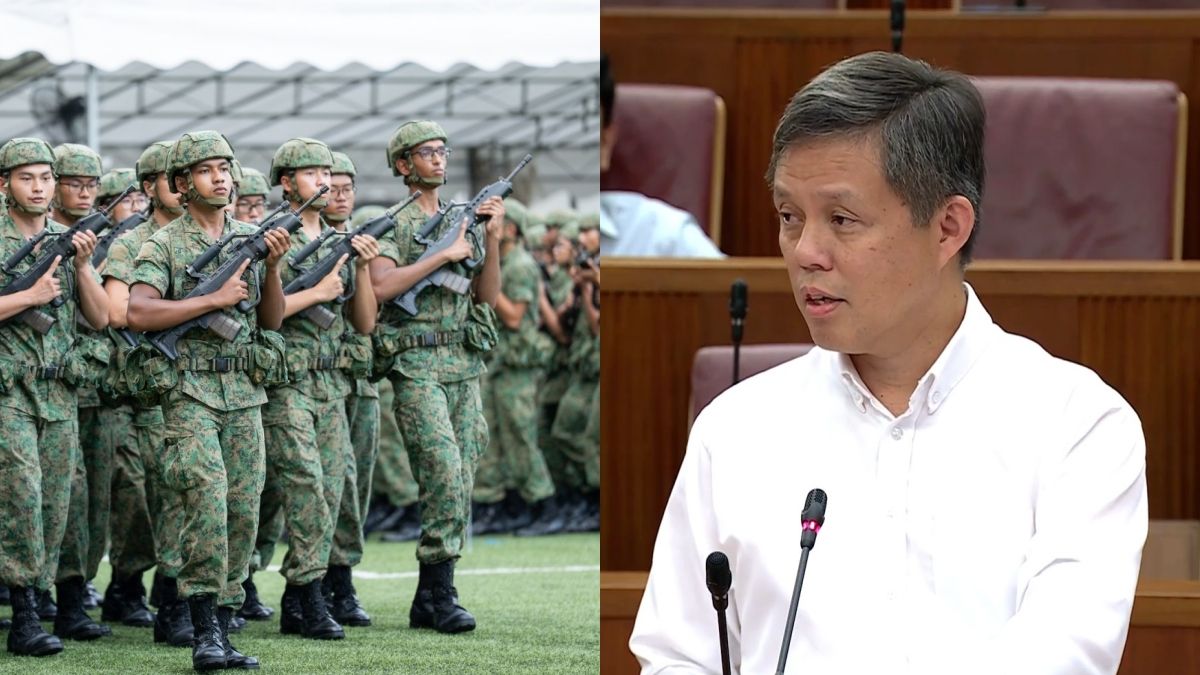
- Mindef will review its Medical Classification System to refine deployment of national servicemen.
- The updated system aims to move beyond binary combat-fit classifications and better match roles to abilities.
- Changes are expected to mainly affect future cohorts, amid declining enlistment numbers.

SINGAPORE: The Ministry of Defence (Mindef) will review its Medical Classification System (MCS) to make it more precise, enabling more tailored deployment of national servicemen across the armed forces and Home Team.
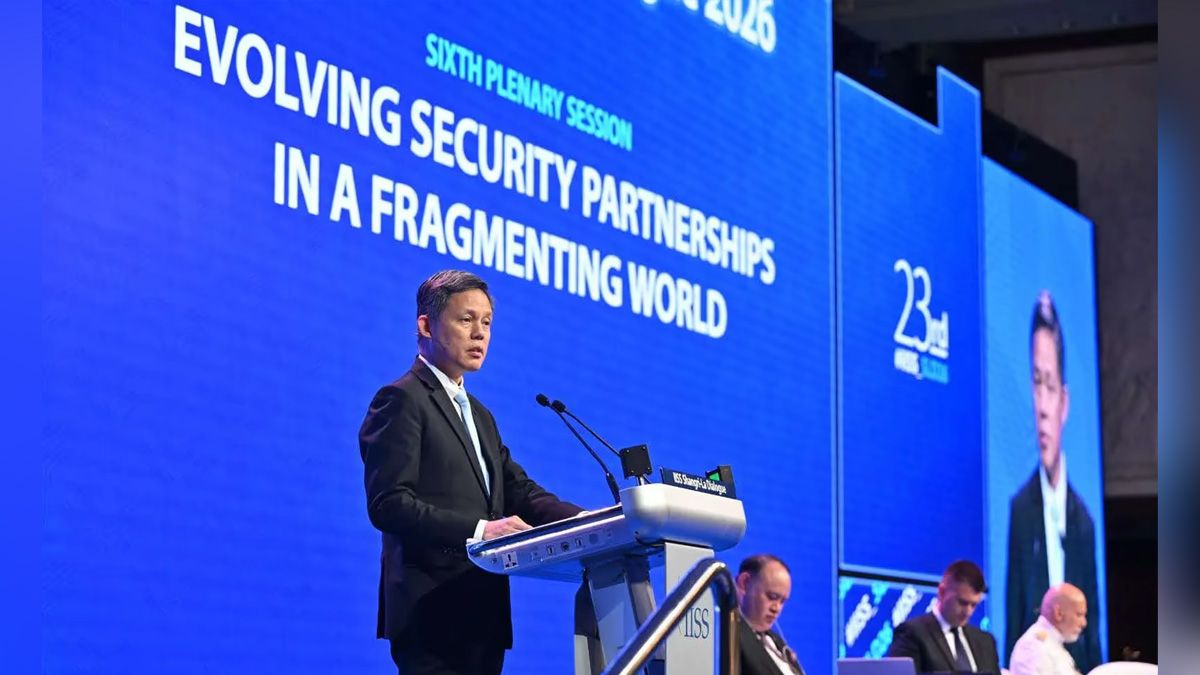
Defence Minister Chan Chun Sing said on 27 February 2026 that the refined system will better characterise medical fitness and assess how it affects a serviceman’s ability to undertake various tasks.
Speaking during the debate on Mindef’s budget, Chan said the refreshed MCS, coupled with redesigned roles and vocations, would allow servicemen to be “more meaningfully and effectively deployed”, including to roles they were previously ineligible for.
Singapore currently uses the Physical Employment Standard (PES) system to grade pre-enlistees and servicemen for national service.
Across the Singapore Armed Forces, Singapore Police Force and Singapore Civil Defence Force, PES grades ranging from A to F determine a serviceman’s vocation during national service.
Chan said the review is being conducted in consultation with public medical specialists and members of Mindef’s specialist advisory boards.
“With more precision, this ensures that our servicemen are deployed only to vocations that they are medically assessed to be suited for,” he said.
He added that Mindef and the SAF would maintain robust safety and training systems to ensure servicemen in redesigned roles can train and operate safely.
The changes to the MCS are expected to largely affect future cohorts of full-time national servicemen (NSFs) when they enlist.
In a parliamentary reply on 12 February 2026, Chan said an average of 21,300 NSFs enlisted annually across the SAF and Home Team between 2021 and 2025.
This marked a decline from the annual average of 23,400 enlistees in the preceding five years.
Mindef first raised the idea of reviewing the MCS in 2021, citing the need to move away from a binary combat-fit versus non-combat-fit classification for deployment.
At the time, then-defence minister Ng Eng Hen described the existing system as “outdated and retrogressive” for the next-generation SAF.
He noted that applying traditional combat classifications to roles such as unmanned vessel operators made little sense, particularly as new technologies reshape operational requirements.
The refreshed system will also take into account national servicemen’s civilian jobs and skillsets, reflecting a broader spectrum of roles within today’s SAF.
Mindef said on 27 February that the MCS review complements ongoing efforts to redesign roles to optimise servicemen’s contributions.
Since 2021, the SAF has redesigned 2,000 roles across 25 vocations, including combat medics, infantry platform operators and army technicians.
These changes have enabled more than 1,800 NSFs to be deployed in a wider range of operational roles than they were previously eligible for.
Chan told the House that the SAF does not take lightly the commitment of NSFs and operationally ready national servicemen.
“We strive to bring out the best in every serviceman, so that they can contribute more meaningfully and effectively in line with their abilities,” he said.
He noted that today’s SAF manages a greater variety of roles to address an expanded spectrum of operations.
“Many of these new roles no longer depend solely on traditional notions of physical or operational fitness,” he said.
Chan added that a mindset shift is required, as past combat categorisation tended to stream servicemen based on what they could not do.
“We can unlock our people’s potential if we shift towards focusing on what they can do,” he said.